
DbcultAccessing Vault...
Director's Spotlight
Senior Film Conservator
Director's Spotlight: United States
A Deep Dive into the 1915 Vision of Ivan Abramson
The 1915 release of Forbidden Fruit marked a significant moment for the enduring legacy of Ivan Abramson's artistic contribution to the genre. By challenging the status quo of 1915 cinema, it has cemented its place in the global cult cinema archive.
In Forbidden Fruit, Ivan Abramson pushes the boundaries of conventional narrative. The film's unique approach to its subject matter has sparked endless debates and interpretations among cinephiles and critics alike.
In this work, Ivan Abramson explores the intersection of cult and United States cultural identity. The meticulous attention to detail suggests a deep-seated commitment to pushing the boundaries of the medium, ensuring that Forbidden Fruit remains a relevant topic of study for cult enthusiasts.
| Cinematography | Static |
| Soundtrack | Diegetic |
| Editing | Elliptical |
| Art Direction | Expressionist |
Visualizing the convergence of Ivan Abramson's style and the core cult narrative.
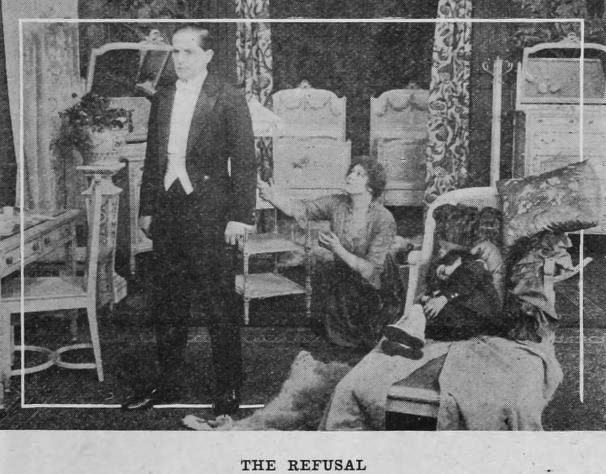
Ruth Ancaster is about to marry her fiance, Edward, when she discovers that he has been cheating on her with a variety of different women. Angered, she marries Henry, Edward's best friend. Edward sees a chance to take his revenge on both of them when Henry, in financial trouble, forges Edward's name on a stock certificate and is caught. He offers to drop the charges against Henry if Ruth agrees to "pay the price"--and he doesn't mean money.
Decades after its release, Forbidden Fruit remains a vital piece of the cinematic puzzle. Its influence can be seen in countless modern works, solidifying Ivan Abramson's status as a master of the craft in United States and beyond.