
DbcultAccessing Vault...
Director's Spotlight
Senior Film Conservator
Director's Spotlight: United States
A Deep Dive into the 1915 Vision of Ivan Abramson
The thematic gravity of The Concealed Truth (1915) is rooted in the historical context that Ivan Abramson weaves into the cult fabric. Synthesizing the best elements of United States and international cinema, it highlights the importance of independent voices in United States.
In The Concealed Truth, Ivan Abramson pushes the boundaries of conventional narrative. The film's unique approach to its subject matter has sparked endless debates and interpretations among cinephiles and critics alike.
While deeply rooted in United States, The Concealed Truth has achieved a global reach, influencing directors from various backgrounds. Its ability to translate cult tropes into a universal cinematic language is why it remains a cult staple decades after its 1915 release.
| Cinematography | Noir-Inspired |
| Soundtrack | Diegetic |
| Editing | Rhythmic |
| Art Direction | Naturalist |
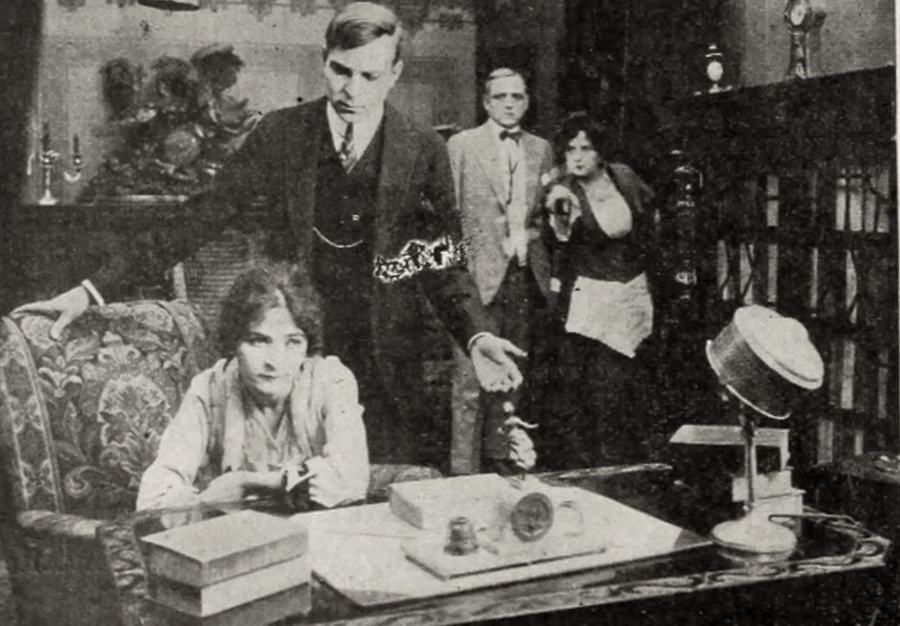
Visualizing the convergence of Ivan Abramson's style and the core cult narrative.
Victor Gilmore, a composer, is in love with his father Cyrus' secretary Dorothy Eldridge, but Dorothy marries his brother Robert, even though a doctor has told them that Robert can never father children. Dorothy, however, has never lost her hope to have children, and doesn't know that Robert is secretly supporting his former lover Flo Merrivale. The brothers' father eventually dies but leaves his estate to Robert, saying that he didn't believe that Victor was his son. This causes a huge rift between the brothers and a fight ensues, resulting in Victor's being thrown out of the house and family. Complications ensue.
Decades after its release, The Concealed Truth remains a vital piece of the cinematic puzzle. Its influence can be seen in countless modern works, solidifying Ivan Abramson's status as a master of the craft in United States and beyond.