
DbcultAccessing Vault...
Director's Spotlight
Senior Film Conservator
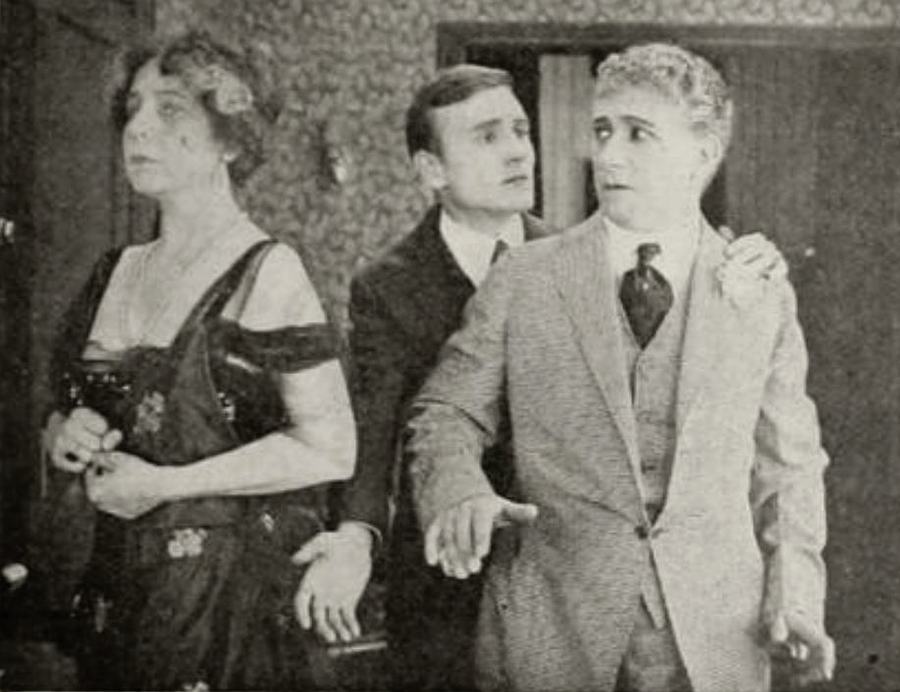
Director's Spotlight: United States
A Deep Dive into the 1916 Vision of Ivan Abramson
To understand the modern evolution of United States film, one must first look at The Sex Lure and the meticulous attention to detail that Ivan Abramson applied to every frame. Reflecting the political and social shifts of the 1916s, it showcases the power of cult as a tool for social commentary.
In The Sex Lure, Ivan Abramson pushes the boundaries of conventional narrative. The film's unique approach to its subject matter has sparked endless debates and interpretations among cinephiles and critics alike.
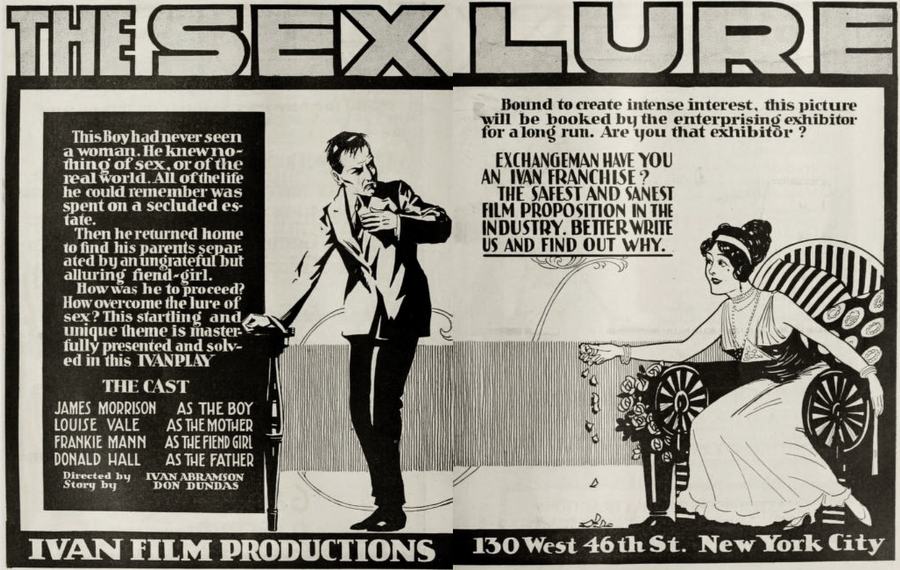
In this work, Ivan Abramson explores the intersection of cult and United States cultural identity. The meticulous attention to detail suggests a deep-seated commitment to pushing the boundaries of the medium, ensuring that The Sex Lure remains a relevant topic of study for cult enthusiasts.
| Cinematography | High-Contrast |
| Soundtrack | Minimalist |
| Editing | Slow-Burn |
| Art Direction | Brutalist |
Visualizing the convergence of Ivan Abramson's style and the core cult narrative.
Wealthy capitalist, Clinton Reynolds, and his wife, Laura, have lost their son, Arthur, kidnapped and possibly dead. Attempting to write a wrong in his factory, he adopts the daughter of one of his workers who is killed on site. The girl, Rose, grows up resentful of her adoptive father and as she grows older, seduces him in order to break up his marriage. Long lost Arthur returns and, finding his parents' married life in disarray, becomes romantically involved with Rose in order to end the relationship she has forged with his father. Reynolds comes to his senses and makes amends with Laura, at which point Arthur leaves Rose.
Decades after its release, The Sex Lure remains a vital piece of the cinematic puzzle. Its influence can be seen in countless modern works, solidifying Ivan Abramson's status as a master of the craft in United States and beyond.