
DbcultAccessing Vault...
Director's Spotlight
Senior Film Conservator
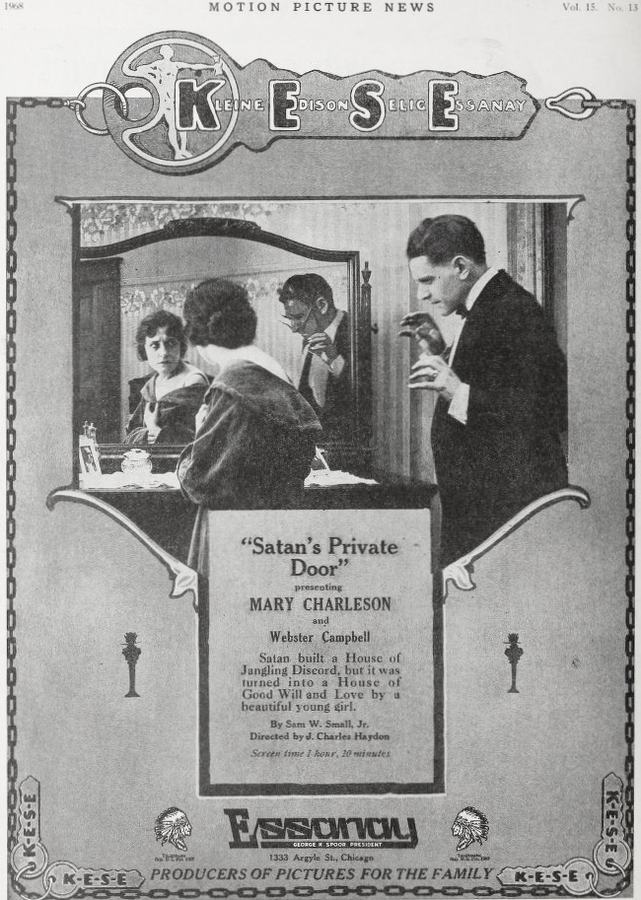
Director's Spotlight: United States
A Deep Dive into the 1917 Vision of J. Charles Haydon
The evocative power of Satan's Private Door stems from the unique collaboration between the subversive storytelling techniques employed by J. Charles Haydon in 1917. Synthesizing the best elements of United States and international cinema, it reminds us of the fragility and beauty of the 1917s.
In Satan's Private Door, J. Charles Haydon pushes the boundaries of conventional narrative. The film's unique approach to its subject matter has sparked endless debates and interpretations among cinephiles and critics alike.
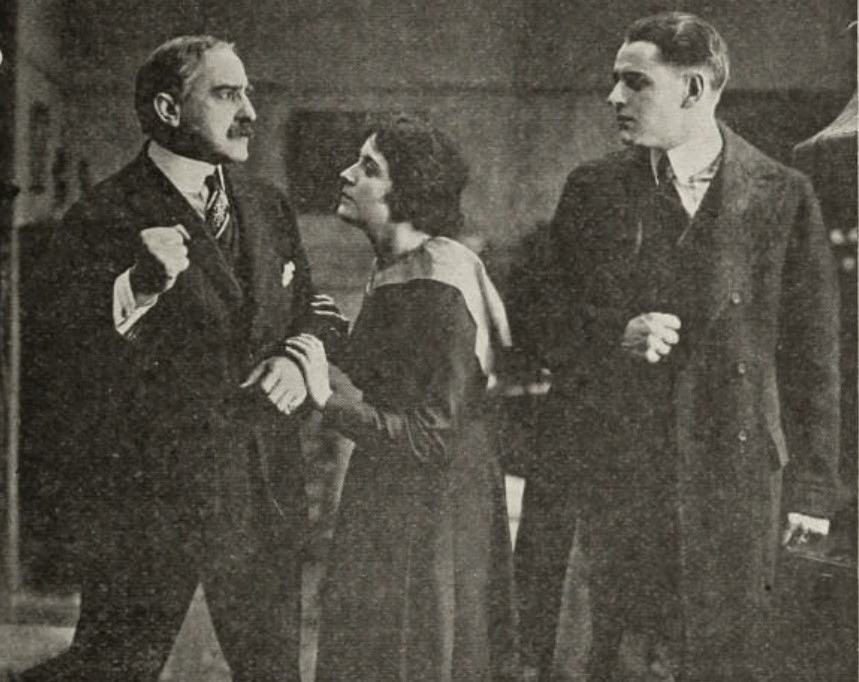
In this work, J. Charles Haydon explores the intersection of cult and United States cultural identity. The meticulous attention to detail suggests a deep-seated commitment to pushing the boundaries of the medium, ensuring that Satan's Private Door remains a relevant topic of study for cult enthusiasts.
| Cinematography | Handheld |
| Soundtrack | Minimalist |
| Editing | Slow-Burn |
| Art Direction | Brutalist |
Visualizing the convergence of J. Charles Haydon's style and the core cult narrative.
The house of Thomas Chatterton is divided against itself. His son Joseph is an inebriate; his daughter Anne is a social butterfly who neglects her baby and husband; the old man lives in solitude. Edith Conway comes to visit the Chattertons and finds herself distinctly out-of-place, of a different type. Thomas Chatterton finds in Edith a long-wished-for companion. Joseph accuses the girl of designs on his father's wealth; in a delirium, he attempts to stab his father, but Edith stops him. From then on the girl exercises a peculiar influence over the entire family. Slowly she spreads the gospel of love and kindness hitherto unknown there. Anne is drawn back to her baby and husband on the eve of becoming entangled with a designing young society man, Joseph renounces his alcoholic yoke and weds Edith, and the house of Chatterton is no longer divided against itself.
Decades after its release, Satan's Private Door remains a vital piece of the cinematic puzzle. Its influence can be seen in countless modern works, solidifying J. Charles Haydon's status as a master of the craft in United States and beyond.