
DbcultAccessing Vault...
Director's Spotlight
Senior Film Conservator
Director's Spotlight: United States
A Deep Dive into the 1915 Vision of J. Charles Haydon
In the storied career of J. Charles Haydon, The Alster Case stands as a the provocative questions that J. Charles Haydon poses to the United States audience. Elevating the source material through J. Charles Haydon's unique vision, it persists as a haunting reminder of our own cinematic history.
In The Alster Case, J. Charles Haydon pushes the boundaries of conventional narrative. The film's unique approach to its subject matter has sparked endless debates and interpretations among cinephiles and critics alike.
In this work, J. Charles Haydon explores the intersection of cult and United States cultural identity. The meticulous attention to detail suggests a deep-seated commitment to pushing the boundaries of the medium, ensuring that The Alster Case remains a relevant topic of study for cult enthusiasts.
| Cinematography | Noir-Inspired |
| Soundtrack | Experimental |
| Editing | Elliptical |
| Art Direction | Expressionist |
Visualizing the convergence of J. Charles Haydon's style and the core cult narrative.
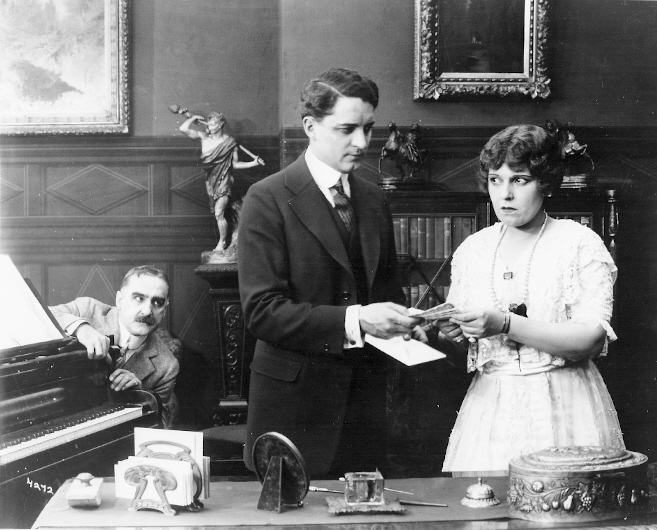
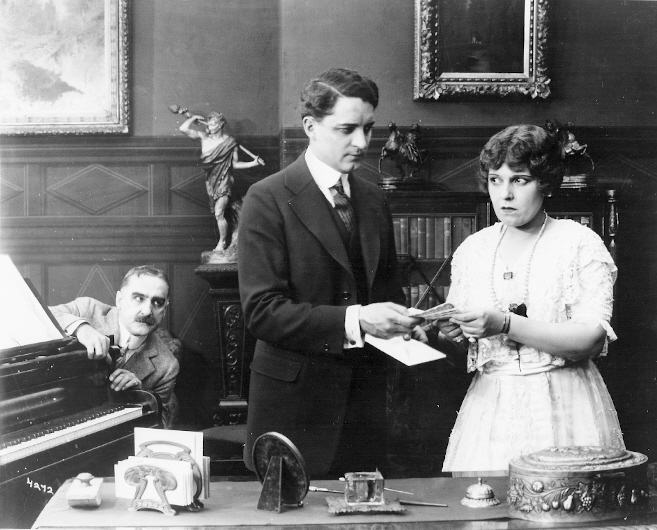
Miss Cornelia Alster, a wealthy spinster, secretly makes George Swan, a poor lawyer's clerk, executor of her estate. That night, she goes to a theatre and returns home unexpectedly, discovers her two wards, Beatrice and Linda, in what she thinks is an affair with two men. As a matter of fact, Linda is fighting Keith, the butler, who is using some knowledge of her to force her to give him money. Beatrice is entertaining her sweetheart, Allen Longstreet, a young inventor. Miss Alster waits in her room, determined to see who the men are. The next day she is found murdered. Trask, a noted detective, is put on the trail. He runs down five clues, the last leading to the criminal. It is a baffling story and an unexpected denouement. The criminal is in the cast. Which one do you think committed the crime?
Decades after its release, The Alster Case remains a vital piece of the cinematic puzzle. Its influence can be seen in countless modern works, solidifying J. Charles Haydon's status as a master of the craft in United States and beyond.