
DbcultAccessing Vault...
Director's Spotlight
Senior Film Conservator
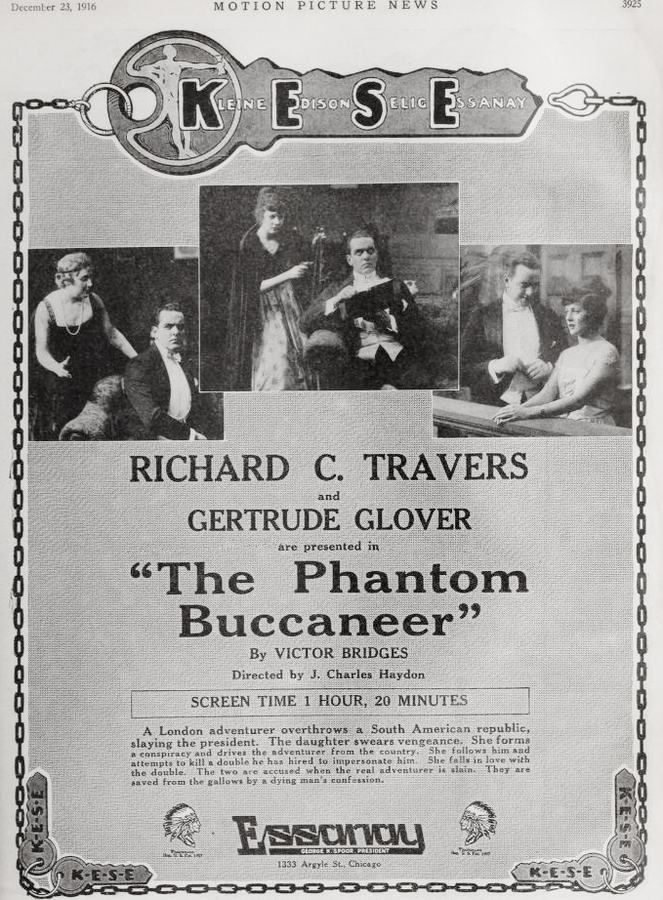
Director's Spotlight: United States
A Deep Dive into the 1916 Vision of J. Charles Haydon
Deciphering the layers of The Phantom Buccaneer (1916) reveals a monumental shift in cult filmmaking spearheaded by J. Charles Haydon. With its avant-garde structure and atmospheric tension, offering layers of thematic complexity that demand repeated viewing.
In The Phantom Buccaneer, J. Charles Haydon pushes the boundaries of conventional narrative. The film's unique approach to its subject matter has sparked endless debates and interpretations among cinephiles and critics alike.
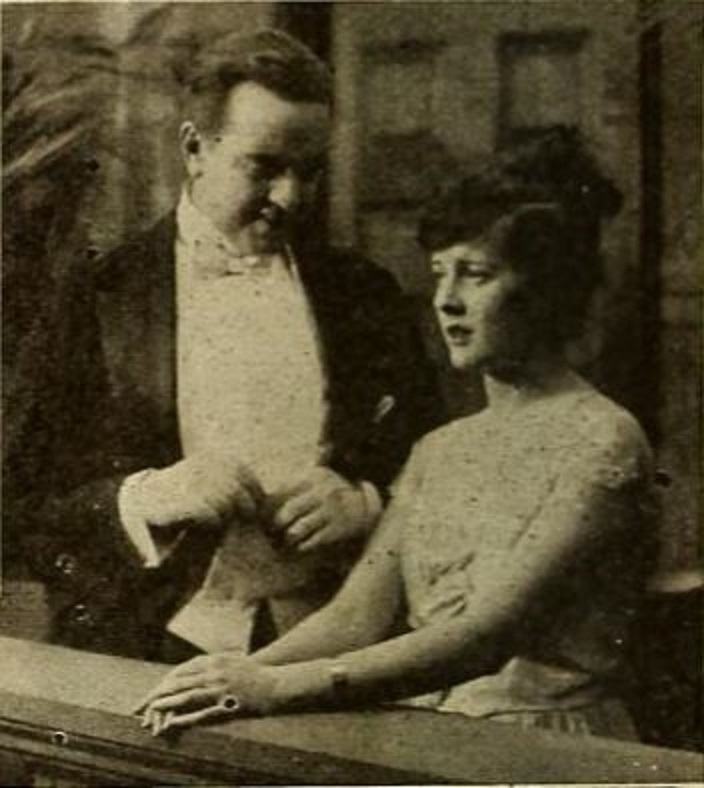
To fully appreciate The Phantom Buccaneer, one must consider the cinematic climate of 1916. During this period, United States was undergoing significant artistic shifts, and J. Charles Haydon was at the forefront of this cult movement, often challenging established norms.
| Cinematography | Noir-Inspired |
| Soundtrack | Synth-Heavy |
| Editing | Rhythmic |
| Art Direction | Naturalist |
Visualizing the convergence of J. Charles Haydon's style and the core cult narrative.
Stuart Northcote, a London adventurer, slays the president of a mythical South American republic, and establishes himself at its head. Mercia Solano, daughter of the slain official, leads a conspiracy to avenge her father's death by killing Northcote. The adventurer escapes to London, however, after looting the republic's treasure chest. He is pursued by Mercia and a band. The adventurer, perceiving his deadly peril, employs Jack Burton, an impoverished young Englishman, to act as his double. The girl shoots at the double, and other fiendish plots are carried out to kill him. Burton frustrates them all. Then the conspirators penetrate his masquerade. Mercia falls in love with Jack and repudiates her accomplices. The latter discover Northcote's hiding place and slay him. To avenge themselves for Mercia's betrayal, they accuse her and Burton of the crime. The two are brought within the shadow of the gallows, but finally are vindicated by the testimony of a valet who witnessed the murder.
Decades after its release, The Phantom Buccaneer remains a vital piece of the cinematic puzzle. Its influence can be seen in countless modern works, solidifying J. Charles Haydon's status as a master of the craft in United States and beyond.