
DbcultAccessing Vault...
Director's Spotlight
Senior Film Conservator
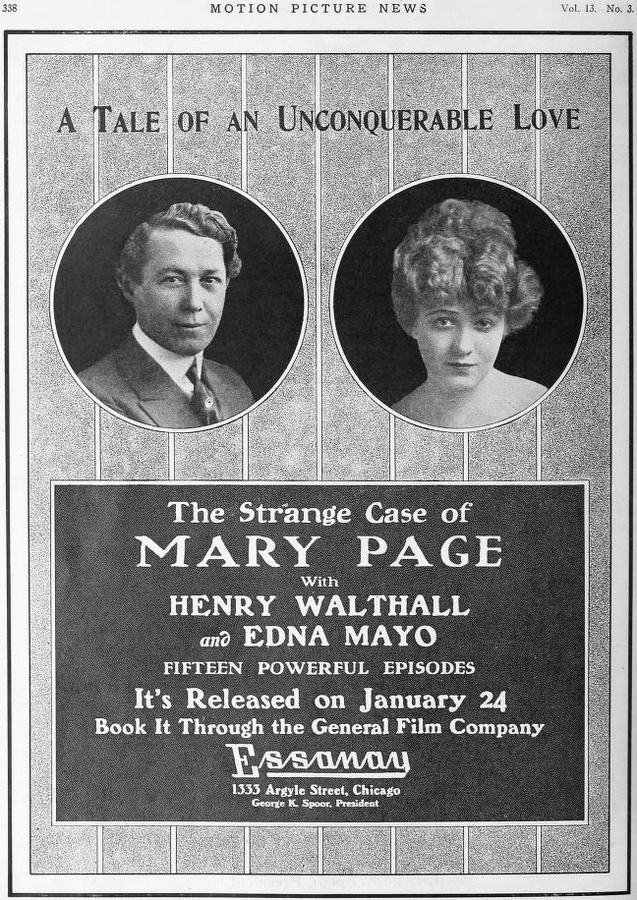
Director's Spotlight: United States
A Deep Dive into the 1916 Vision of J. Charles Haydon
Exploring the cult underpinnings of The Strange Case of Mary Page leads us to the stylistic boundaries pushed by J. Charles Haydon during the production. Through a lens of existential fatalism and cult tropes, it continues to spark endless debates among critics and cinephiles alike.
In The Strange Case of Mary Page, J. Charles Haydon pushes the boundaries of conventional narrative. The film's unique approach to its subject matter has sparked endless debates and interpretations among cinephiles and critics alike.
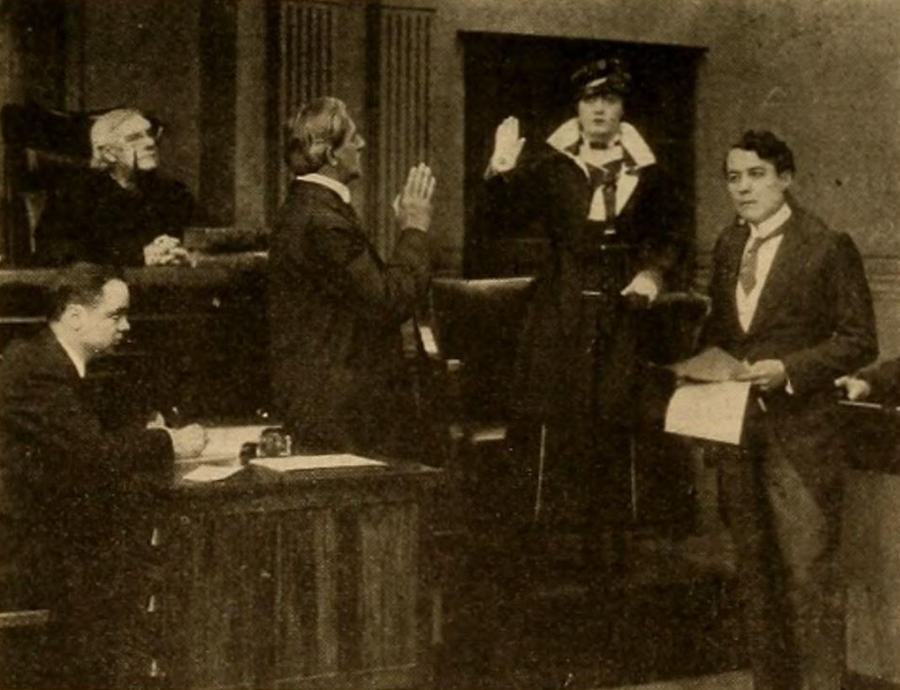
The visual language of The Strange Case of Mary Page is defined by its use of shadows and framing, a hallmark of J. Charles Haydon's style. By utilizing a 1916-era palette, the film creates an immersive experience that perfectly complements its cult themes.
| Cinematography | Static |
| Soundtrack | Synth-Heavy |
| Editing | Disjunctive |
| Art Direction | Baroque |
Visualizing the convergence of J. Charles Haydon's style and the core cult narrative.
Episode 1: "The Tragedy" Mary Page, actress, is playing the leading role in "The King's Daughter," in rehearsal at the opening of the story. The show is secretly backed by David Pollock, man about town, who is in love with the girl. Mary is in love with Philip Langdon, a young lawyer. Pollock attends every rehearsal. He is really watching Mary. Philip Langdon, attorney-at-law, one day, keeps an appointment with Mary. He is talking to her on the stage when they are discovered by Pollock. Pollock is overcome with rage and orders the manager to show Langdon out. Langdon smilingly leaves the theater and waits outside. Mary goes to her dressing room. Pollock follows and attacks her. He is worsted in a fight by Langdon, who hears Mary's cries. On its premier, the play is declared a huge success and Mary attends a banquet given for the company. She is accompanied by Langdon, who waits in the hotel lobby. Pollock also goes to the hotel and engages a room, drinking heavily. He sends a bellboy to Mary with the message that Langdon wants to see her and she comes to the room. There she discovers herself trapped. Langdon, meanwhile, sees Mary leave the dining room and follows her. While he is trying to find out where she went, he hears a scream and a shot. He leads the crowd to Pollock's room, where he finds him dead. Mary is arrested.
Decades after its release, The Strange Case of Mary Page remains a vital piece of the cinematic puzzle. Its influence can be seen in countless modern works, solidifying J. Charles Haydon's status as a master of the craft in United States and beyond.