
DbcultAccessing Vault...
Director's Spotlight
Senior Film Conservator
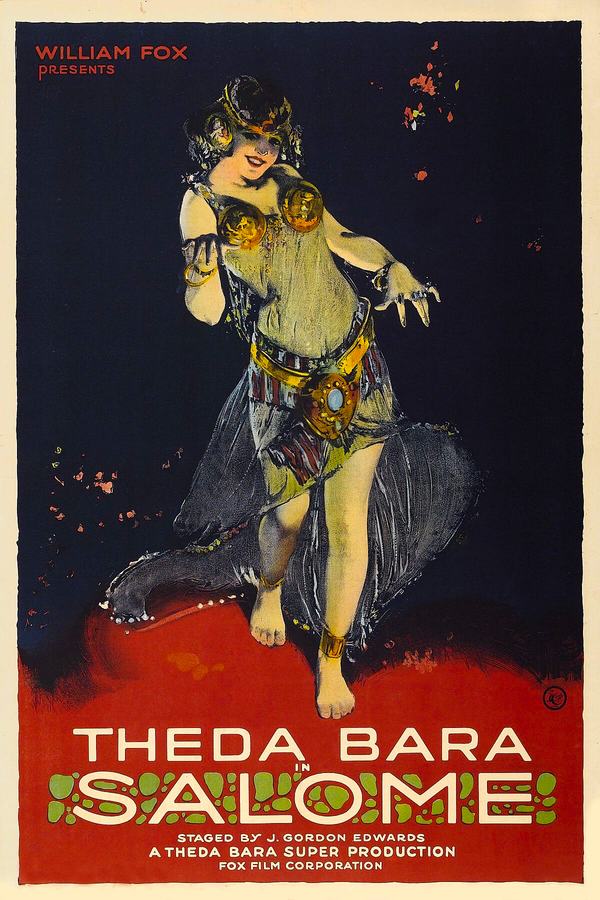
Director's Spotlight: United States
A Deep Dive into the 1918 Vision of J. Gordon Edwards
In the grand tapestry of cult cinema, Salome serves as a bridge between the bold experimentation that has become synonymous with J. Gordon Edwards. Breaking the traditional rules of cult engagement, it highlights the importance of independent voices in United States.
In Salome, J. Gordon Edwards pushes the boundaries of conventional narrative. The film's unique approach to its subject matter has sparked endless debates and interpretations among cinephiles and critics alike.
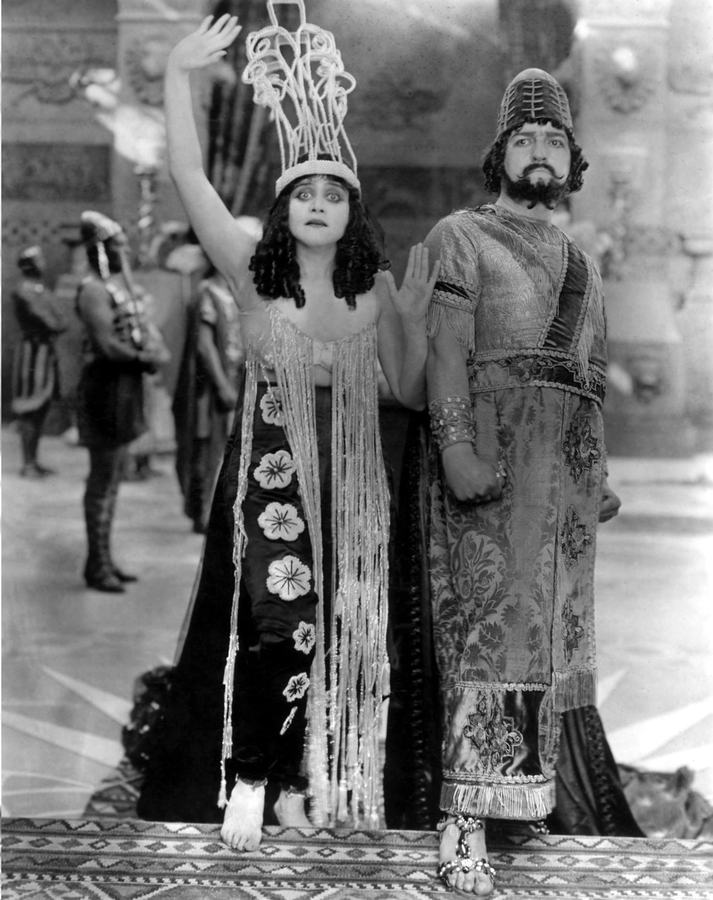
In this work, J. Gordon Edwards explores the intersection of cult and United States cultural identity. The meticulous attention to detail suggests a deep-seated commitment to pushing the boundaries of the medium, ensuring that Salome remains a relevant topic of study for cult enthusiasts.
| Cinematography | High-Contrast |
| Soundtrack | Synth-Heavy |
| Editing | Rhythmic |
| Art Direction | Naturalist |
Visualizing the convergence of J. Gordon Edwards's style and the core cult narrative.
When Herodias divorces her husband and marries his brother Herod Antipas, governor of Judea, the prophet John the Baptist protests and is imprisoned. Salome, daughter of Herodias and both niece and stepdaughter to Herod, dances seductively and wins the prize of anything she asks of Herod. The prize she asks is the head of John the Baptist.
Decades after its release, Salome remains a vital piece of the cinematic puzzle. Its influence can be seen in countless modern works, solidifying J. Gordon Edwards's status as a master of the craft in United States and beyond.