
DbcultAccessing Vault...
Director's Spotlight
Senior Film Conservator
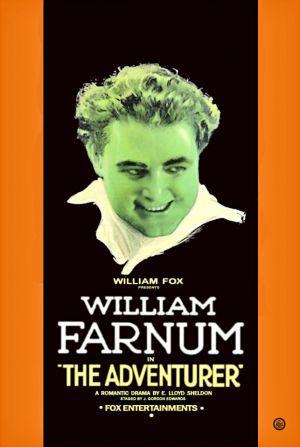
Director's Spotlight: United States
A Deep Dive into the 1920 Vision of J. Gordon Edwards
Analyzing The Adventurer (1920) requires a deep dive into the defining moment in Adventure history that J. Gordon Edwards helped create. Defining a new era of United States artistic expression, it transcends regional boundaries to tell a universal story.
In The Adventurer, J. Gordon Edwards pushes the boundaries of conventional narrative. The film's unique approach to its subject matter has sparked endless debates and interpretations among cinephiles and critics alike.
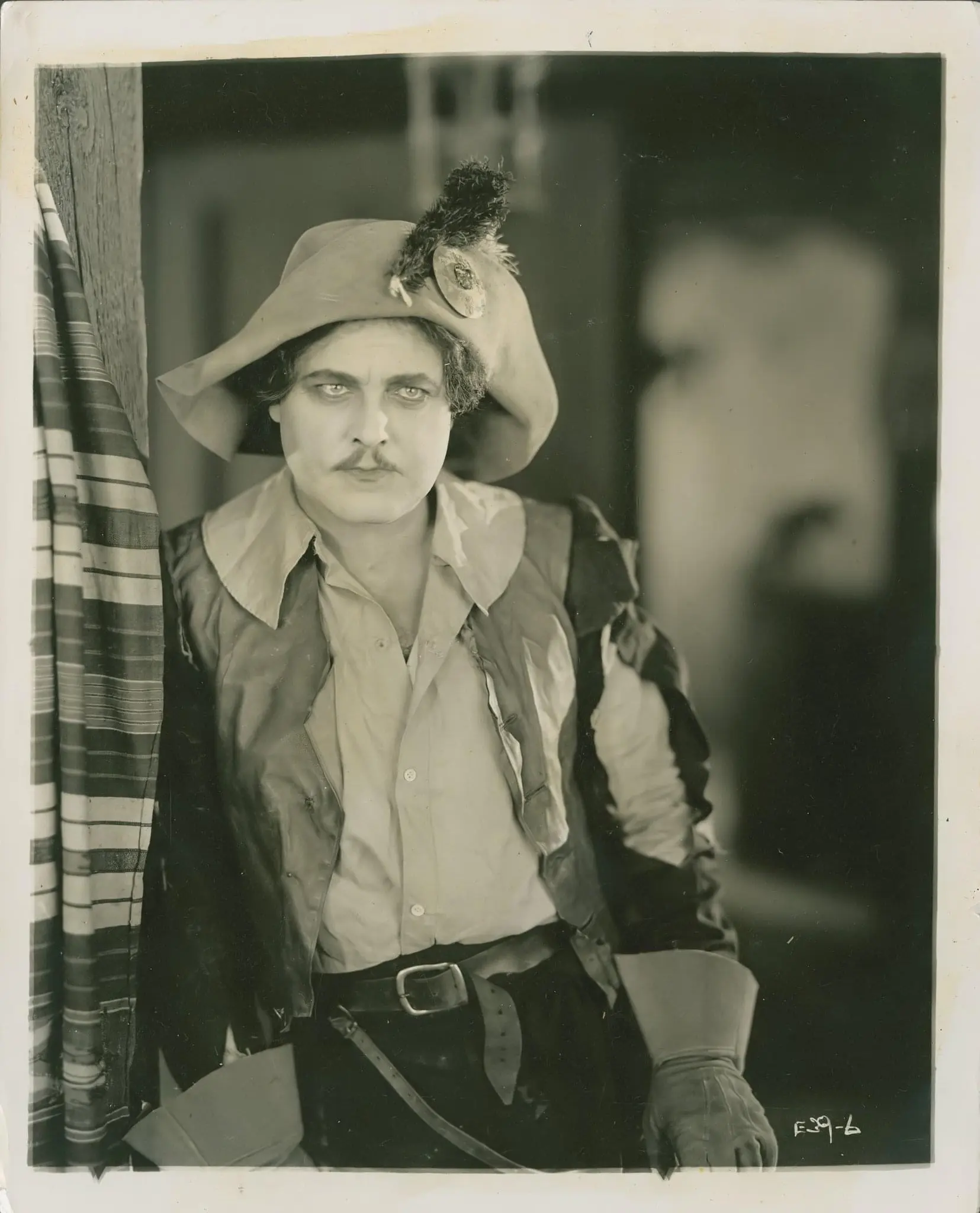
The visual language of The Adventurer is defined by its use of shadows and framing, a hallmark of J. Gordon Edwards's style. By utilizing a 1920-era palette, the film creates an immersive experience that perfectly complements its Adventure themes.
| Cinematography | Handheld |
| Soundtrack | Experimental |
| Editing | Invisible |
| Art Direction | Kitsch |
Visualizing the convergence of J. Gordon Edwards's style and the core Adventure narrative.
Don Caesar de Bazan, a reckless nobleman, falls for Maritana, a gypsy dancing girl. When Maritana is insulted by a drunk, Don Caesar wins her love by coming to her rescue. The two go to Madrid, where the girl is summoned to dance before the Queen. Maritana also attracts the attention of King Charles. Don Jose, the prime minister, who secretly loves the Queen, plots to get Maritana for the King. To do this, he schemes to have Maritana marry a nobleman so she can enter the King's court. Don Jose chooses Don Caesar, who has been imprisoned and sentenced to death for dueling during Holy Week. Don Caesar agrees to marry the woman selected by Don Jose. After the ceremony, his wife believes he has been pardoned, but Don Caesar is sent to a firing squad. He is saved by a youth who has removed the bullets from the rifles. Eventually, Don Caesar wins the King's approval, and he is made prime minister.
Decades after its release, The Adventurer remains a vital piece of the cinematic puzzle. Its influence can be seen in countless modern works, solidifying J. Gordon Edwards's status as a master of the craft in United States and beyond.