
DbcultAccessing Vault...
Director's Spotlight
Senior Film Conservator
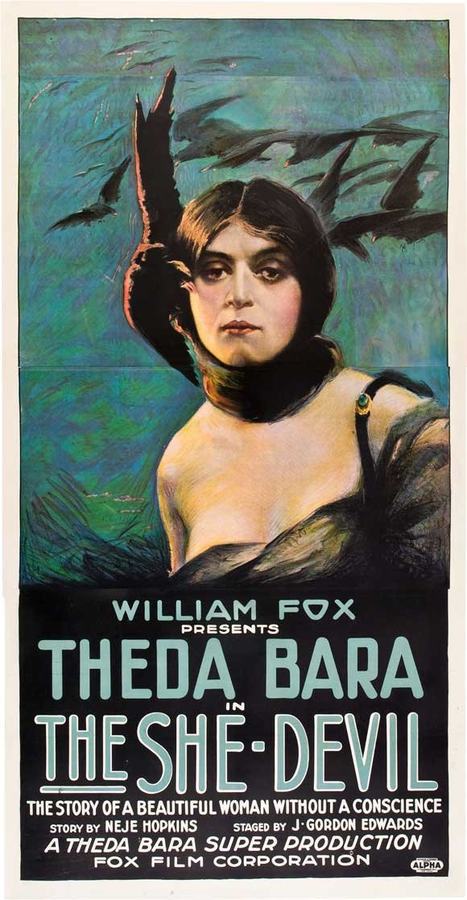
Director's Spotlight: United States
A Deep Dive into the 1918 Vision of J. Gordon Edwards
The enduring fascination with The She Devil is a testament to the artistic risks taken by J. Gordon Edwards that eventually paid off. Challenging the viewer to find meaning in the cult shadows, it reminds us of the fragility and beauty of the 1918s.
In The She Devil, J. Gordon Edwards pushes the boundaries of conventional narrative. The film's unique approach to its subject matter has sparked endless debates and interpretations among cinephiles and critics alike.
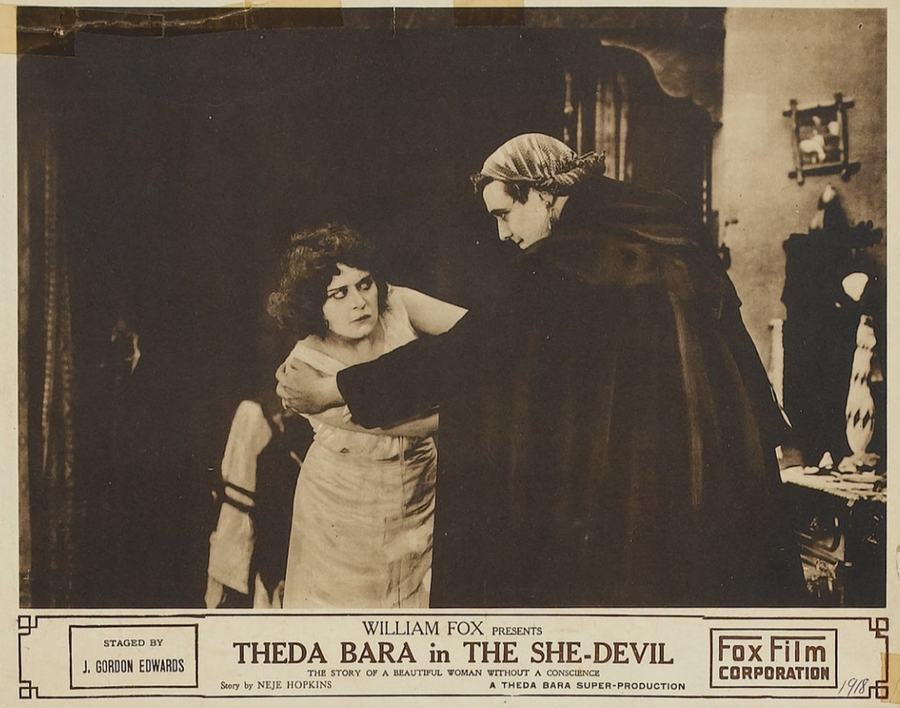
While deeply rooted in United States, The She Devil has achieved a global reach, influencing directors from various backgrounds. Its ability to translate cult tropes into a universal cinematic language is why it remains a cult staple decades after its 1918 release.
| Cinematography | Noir-Inspired |
| Soundtrack | Synth-Heavy |
| Editing | Disjunctive |
| Art Direction | Baroque |
Visualizing the convergence of J. Gordon Edwards's style and the core cult narrative.
Lolette (Theda Bara), an exotic and spirited peasant girl lives In the small Spanish village of Juanguera. Although ardently courted by the native swains, and particularly a bandit called The Tiger, Lolette prefers Maurice Tabor, a French artist who has come to Juanguera to paint. Because he refuses to take her to Paris, Lolette accepts a gift of stolen jewels from The Tiger and follows Maurice to France. With Lolette as his model, Maurice paints brilliantly, and soon she becomes a Paris sensation. One evening, Lolette performs a Spanish dance on stage, and the next day, she signs contracts with a number of impresarios, accepting advance payment from all of them. Fearing her arrest, Maurice urges her to accompany him back to Spain, but The Tiger attacks their coach and imprisons them. At a feast held in her honor, however, Lolette urges The Tiger to drink, and when he is unconscious, she and Maurice escape.
Decades after its release, The She Devil remains a vital piece of the cinematic puzzle. Its influence can be seen in countless modern works, solidifying J. Gordon Edwards's status as a master of the craft in United States and beyond.