
DbcultAccessing Vault...
Director's Spotlight
Senior Film Conservator

Director's Spotlight: United States
A Deep Dive into the 1918 Vision of J. Gordon Edwards
In the storied career of J. Gordon Edwards, The Soul of Buddha stands as a the atmospheric immersion that J. Gordon Edwards achieves throughout The Soul of Buddha. Reflecting the political and social shifts of the 1918s, it reinforces the idea that cinema is a medium of infinite possibilities.
In The Soul of Buddha, J. Gordon Edwards pushes the boundaries of conventional narrative. The film's unique approach to its subject matter has sparked endless debates and interpretations among cinephiles and critics alike.
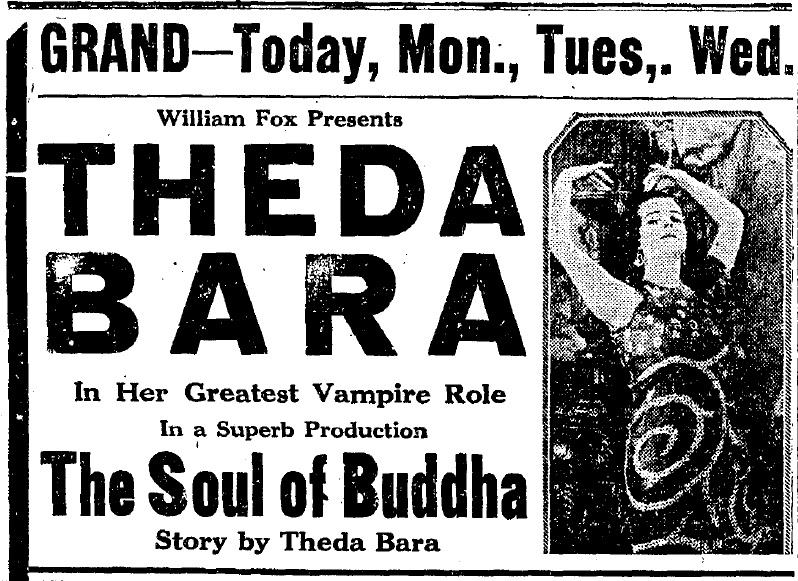
While deeply rooted in United States, The Soul of Buddha has achieved a global reach, influencing directors from various backgrounds. Its ability to translate cult tropes into a universal cinematic language is why it remains a cult staple decades after its 1918 release.
| Cinematography | Handheld |
| Soundtrack | Diegetic |
| Editing | Elliptical |
| Art Direction | Expressionist |
Visualizing the convergence of J. Gordon Edwards's style and the core cult narrative.
Bavahari, a half caste Indian girl, renounces her oath as a sacred dancer to the worship of Buddha. The High Priest, who secretly loves the girl, is enraged and vows vengeance. Bavahari marries an English army officer, and they move to Paris where she becomes a sensation as a dancer. After she deserts her husband, he kills himself at her feet. The High Priest, discovering that Bavahari is in Paris, announces his presence by marking the "Sign of Death" on her dressing room door. He then disguises himself as a Buddha idol. As Bavahari dances on stage, the High Priest kills her in front of the audience.
Decades after its release, The Soul of Buddha remains a vital piece of the cinematic puzzle. Its influence can be seen in countless modern works, solidifying J. Gordon Edwards's status as a master of the craft in United States and beyond.