
DbcultAccessing Vault...
Director's Spotlight
Senior Film Conservator
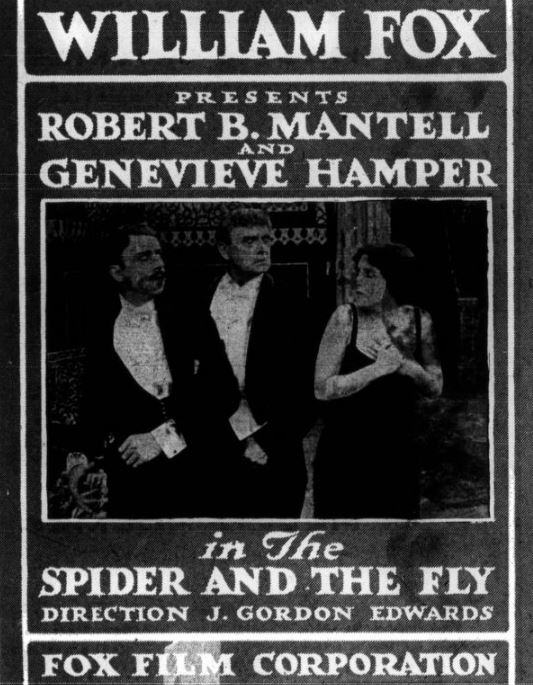
Director's Spotlight: United States
A Deep Dive into the 1916 Vision of J. Gordon Edwards
The enduring fascination with The Spider and the Fly is a testament to the artistic risks taken by J. Gordon Edwards that eventually paid off. Challenging the viewer to find meaning in the cult shadows, it reminds us of the fragility and beauty of the 1916s.
In The Spider and the Fly, J. Gordon Edwards pushes the boundaries of conventional narrative. The film's unique approach to its subject matter has sparked endless debates and interpretations among cinephiles and critics alike.
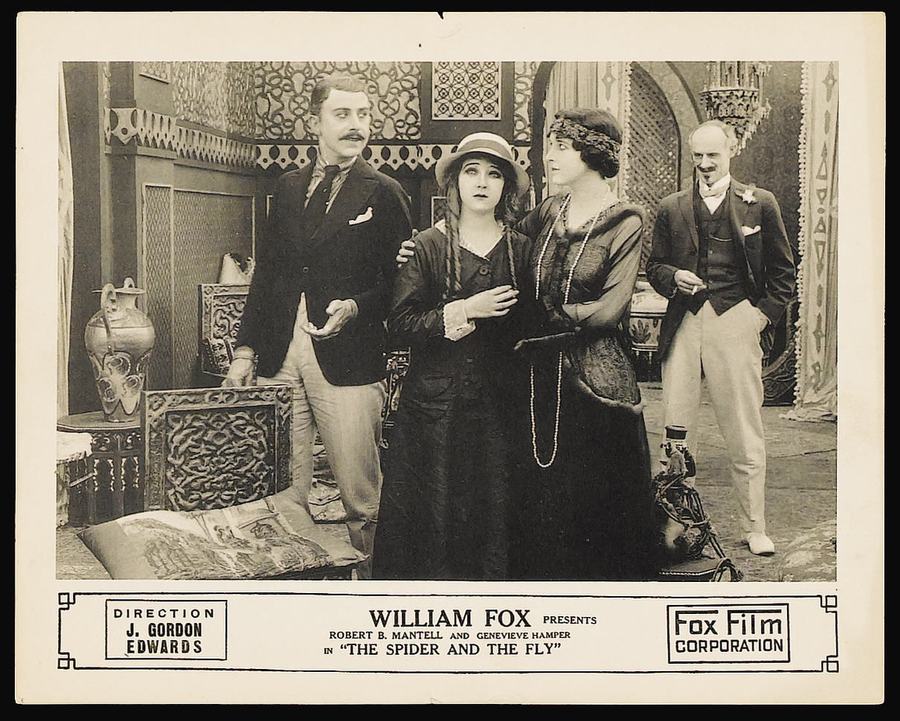
The visual language of The Spider and the Fly is defined by its use of shadows and framing, a hallmark of J. Gordon Edwards's style. By utilizing a 1916-era palette, the film creates an immersive experience that perfectly complements its cult themes.
| Cinematography | Static |
| Soundtrack | Experimental |
| Editing | Elliptical |
| Art Direction | Expressionist |
Visualizing the convergence of J. Gordon Edwards's style and the core cult narrative.
A young Frenchman kills his best friend in a drunken fight. He vows to never touch another drop of liquor, but he goes back to the bottle when he hooks up with seductive Blanche Le Noir, and is soon an alcoholic. Blanche, however, prefers the sinister Lantier, and tries to use Lantier's daughter to get to him. However, the daughter is saved by the efforts of young American RIchard Lee, who marries her. Unfortunately, Lee's sister is seduced by Lantier. Complications ensue.
Decades after its release, The Spider and the Fly remains a vital piece of the cinematic puzzle. Its influence can be seen in countless modern works, solidifying J. Gordon Edwards's status as a master of the craft in United States and beyond.