
DbcultAccessing Vault...
Director's Spotlight
Senior Film Conservator
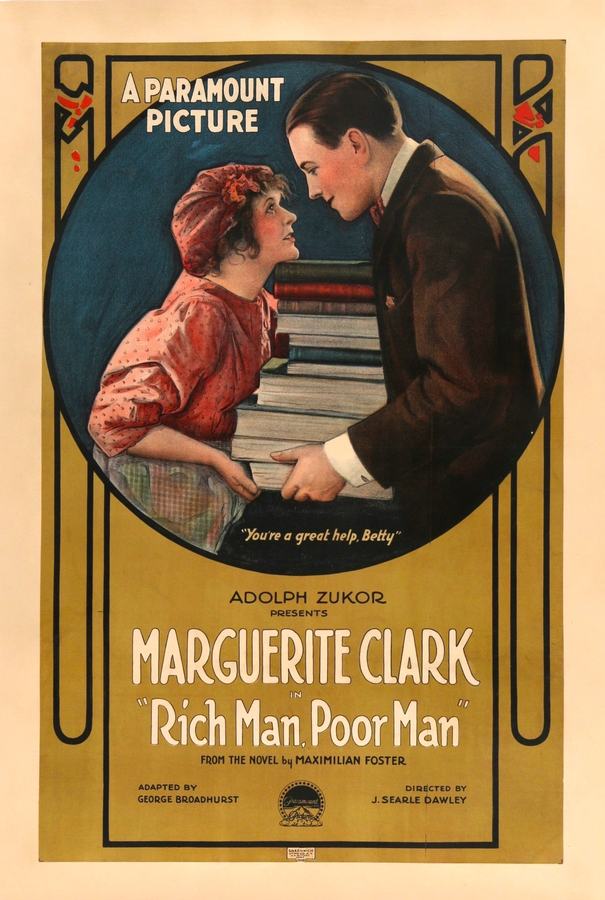
Director's Spotlight: United States
A Deep Dive into the 1918 Vision of J. Searle Dawley
Deciphering the layers of Rich Man, Poor Man (1918) reveals the complex thematic architecture established by J. Searle Dawley. Utilizing a 1918-specific aesthetic that remains timeless, it stands as the definitive 1918 statement on cult identity.
In Rich Man, Poor Man, J. Searle Dawley pushes the boundaries of conventional narrative. The film's unique approach to its subject matter has sparked endless debates and interpretations among cinephiles and critics alike.
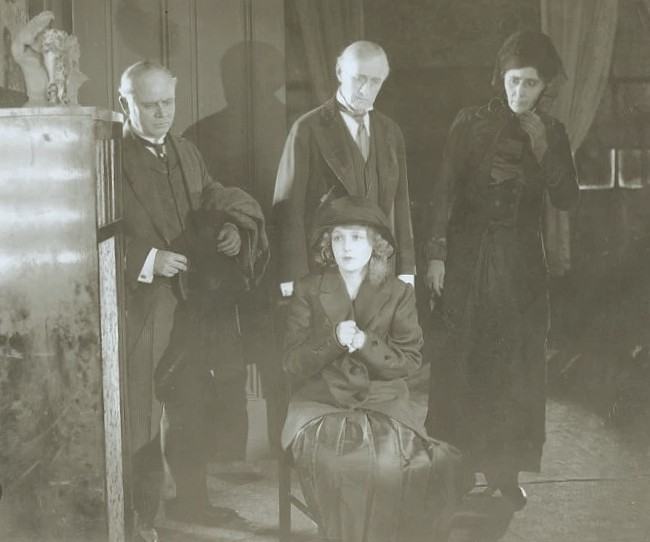
While deeply rooted in United States, Rich Man, Poor Man has achieved a global reach, influencing directors from various backgrounds. Its ability to translate cult tropes into a universal cinematic language is why it remains a cult staple decades after its 1918 release.
| Cinematography | Noir-Inspired |
| Soundtrack | Synth-Heavy |
| Editing | Rhythmic |
| Art Direction | Naturalist |
Visualizing the convergence of J. Searle Dawley's style and the core cult narrative.
Betty Wynne is forced to work as a maid in a boarding-house after her mother's death. There she falls in love with one of the residents, Bayard Varick. Another of the lodgers, old Henry Mapleson, so admires Betty's sunny disposition that, in order to promote her well-being, he forges a document suggesting that she is the long-lost granddaughter of millionaire John K. Beeston. The insensitive old businessman, whom nobody loves, softens under Betty's influence and soon comes to love her dearly. Bayard, however, believing that Beeston ruined his father in a business deal years earlier, refuses to visit Betty in the rich man's house. Imagining that Bayard no longer loves her, Betty agrees to Beeston's wish that she marry her cousin, but when Bayard learns of Mapleson's forgery, he hurries to Beeston's estate to claim his sweetheart. The old man is reluctant to give her up but finally relents when he discovers that Bayard is his long-lost grandson.
Decades after its release, Rich Man, Poor Man remains a vital piece of the cinematic puzzle. Its influence can be seen in countless modern works, solidifying J. Searle Dawley's status as a master of the craft in United States and beyond.