
DbcultAccessing Vault...
Director's Spotlight
Senior Film Conservator
Director's Spotlight: United States
A Deep Dive into the 1918 Vision of J. Searle Dawley
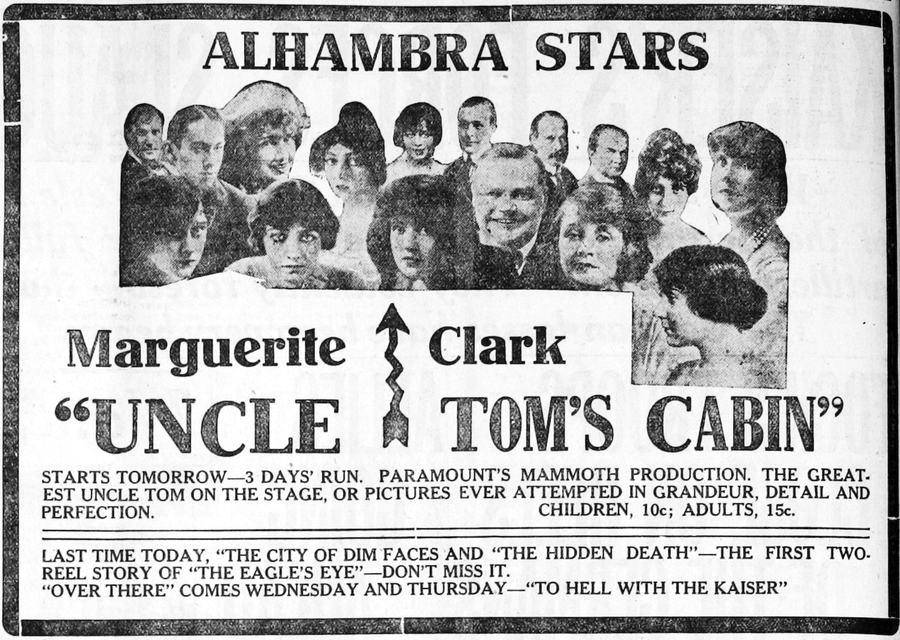
Few works in United States cinema carry the same weight as Uncle Tom's Cabin, especially regarding the cultural zeitgeist captured so perfectly by J. Searle Dawley in 1918. Utilizing a 1918-specific aesthetic that remains timeless, it serves as a blueprint for future generations of cult directors.
In Uncle Tom's Cabin, J. Searle Dawley pushes the boundaries of conventional narrative. The film's unique approach to its subject matter has sparked endless debates and interpretations among cinephiles and critics alike.
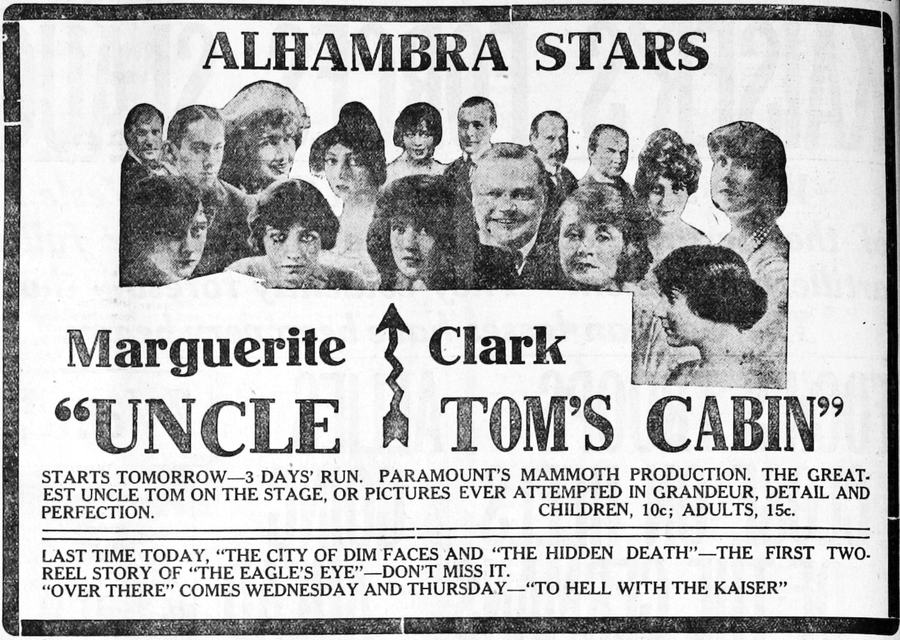
To fully appreciate Uncle Tom's Cabin, one must consider the cinematic climate of 1918. During this period, United States was undergoing significant artistic shifts, and J. Searle Dawley was at the forefront of this cult movement, often challenging established norms.
| Cinematography | Handheld |
| Soundtrack | Minimalist |
| Editing | Disjunctive |
| Art Direction | Baroque |
Visualizing the convergence of J. Searle Dawley's style and the core cult narrative.
When Kentucky plantation owner George Shelby is forced to sell several of his slaves, one of them, Eliza Harris, escapes across the icy Ohio River with her child. Kindly old Uncle Tom, however, is sold to a Southern slave trader and begins his voyage down the Mississippi River. During the trip, he rescues little Eva St. Clair from the river, and out of gratitude, the girl's father buys him. At the St. Clair home in New Orleans, Uncle Tom, Little Eva, and a mischievous little slave named Topsy become such close friends that Eva extracts a promise from her father to free the slave. The delicate Eva becomes ill and dies, and because her father is killed soon afterwards, St. Clair's promise goes unfulfilled, and Uncle Tom is sold to the brutal Simon Legree. Continually beaten, Uncle Tom finally dies just as George Shelby, Jr. arrives offering to repurchase the slave and take him home. Before his death, Uncle Tom sees a vision of Eva beckoning him to join her in heaven.
Decades after its release, Uncle Tom's Cabin remains a vital piece of the cinematic puzzle. Its influence can be seen in countless modern works, solidifying J. Searle Dawley's status as a master of the craft in United States and beyond.