
DbcultAccessing Vault...
Director's Spotlight
Senior Film Conservator
Director's Spotlight: United States
A Deep Dive into the 1917 Vision of J. Stuart Blackton
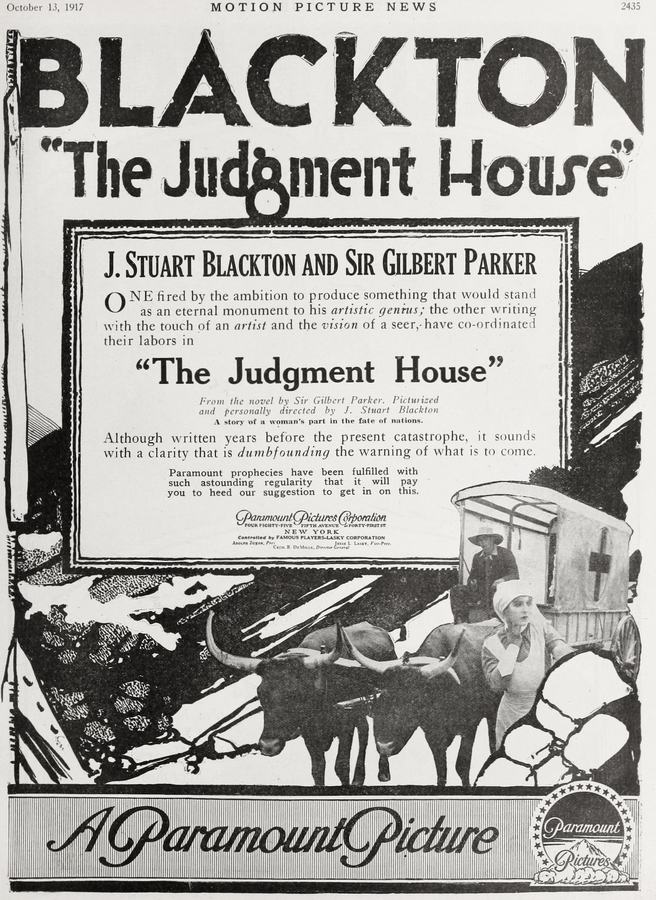
The 1917 release of The Judgment House marked a significant moment for the stylistic boundaries pushed by J. Stuart Blackton during the production. In the context of United States's rich cinematic history, it invites us to question our own perceptions of cult narratives.
In The Judgment House, J. Stuart Blackton pushes the boundaries of conventional narrative. The film's unique approach to its subject matter has sparked endless debates and interpretations among cinephiles and critics alike.
To fully appreciate The Judgment House, one must consider the cinematic climate of 1917. During this period, United States was undergoing significant artistic shifts, and J. Stuart Blackton was at the forefront of this cult movement, often challenging established norms.
| Cinematography | Static |
| Soundtrack | Diegetic |
| Editing | Rhythmic |
| Art Direction | Naturalist |
Visualizing the convergence of J. Stuart Blackton's style and the core cult narrative.
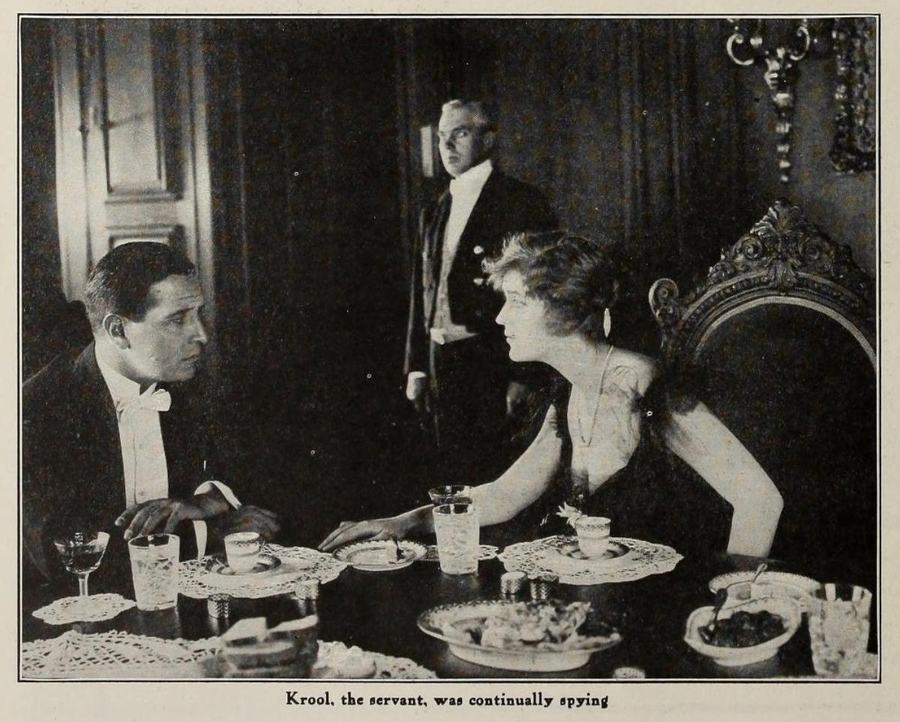
Loved by two men, frivolous Jasmine Grenfel is unable to decide between the bold Rudyard Byng and the more reserved Ian Stafford. Swept away by Byng's forcefulness, Jasmine agrees to marry him and the rejected Stafford goes to South Africa. Three years elapse, and Jasmine's unhappiness increases as her husband slips into dissipation and she is pursued by his private secretary, Adrian Fellow, who is also having an affair with Al'Mah, an exotic dancer. When Byng finds a love note written by Fellow addressed to Jasmine, he threatens to kill both his wife and secretary, but Stafford returns in time to prevent the tragedy. Later, Fellow is murdered and Byng finds a poisoned needle near the body, but before the murderer can be found, the Boer War breaks out and Byng goes to fight for his country. In battle, Stafford is killed and Byng distinguishes himself in the field, recovering from his former dissipation. Al'Mah, now a nurse, is fatally wounded and confesses that she killed Fellow. Jasmine, touched by the crucible of war, finally realizes that she has been responsible for her own unhappiness and makes a true commitment to her husband.
Decades after its release, The Judgment House remains a vital piece of the cinematic puzzle. Its influence can be seen in countless modern works, solidifying J. Stuart Blackton's status as a master of the craft in United States and beyond.