
DbcultAccessing Vault...
Director's Spotlight
Senior Film Conservator
Director's Spotlight: United States
A Deep Dive into the 1926 Vision of J.A. Howe
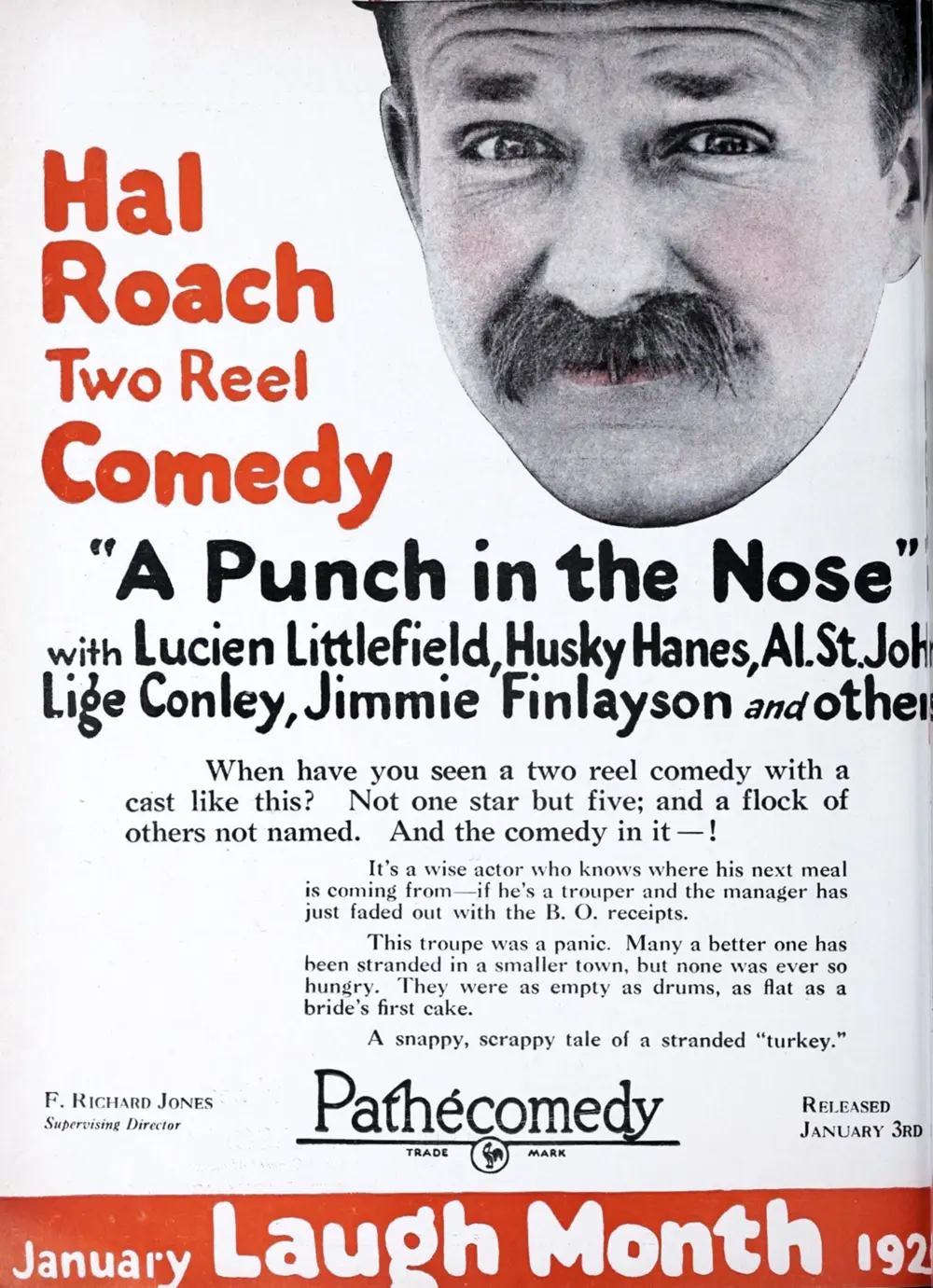
Few works in United States cinema carry the same weight as A Punch in the Nose, especially regarding the technical innovation that J.A. Howe introduced to the Short format. Subverting the expectations of the typical 1926 audience, it bridges the gap between traditional Short and contemporary vision.
In A Punch in the Nose, J.A. Howe pushes the boundaries of conventional narrative. The film's unique approach to its subject matter has sparked endless debates and interpretations among cinephiles and critics alike.
To fully appreciate A Punch in the Nose, one must consider the cinematic climate of 1926. During this period, United States was undergoing significant artistic shifts, and J.A. Howe was at the forefront of this Short movement, often challenging established norms.
| Cinematography | High-Contrast |
| Soundtrack | Experimental |
| Editing | Invisible |
| Art Direction | Kitsch |
Visualizing the convergence of J.A. Howe's style and the core Short narrative.
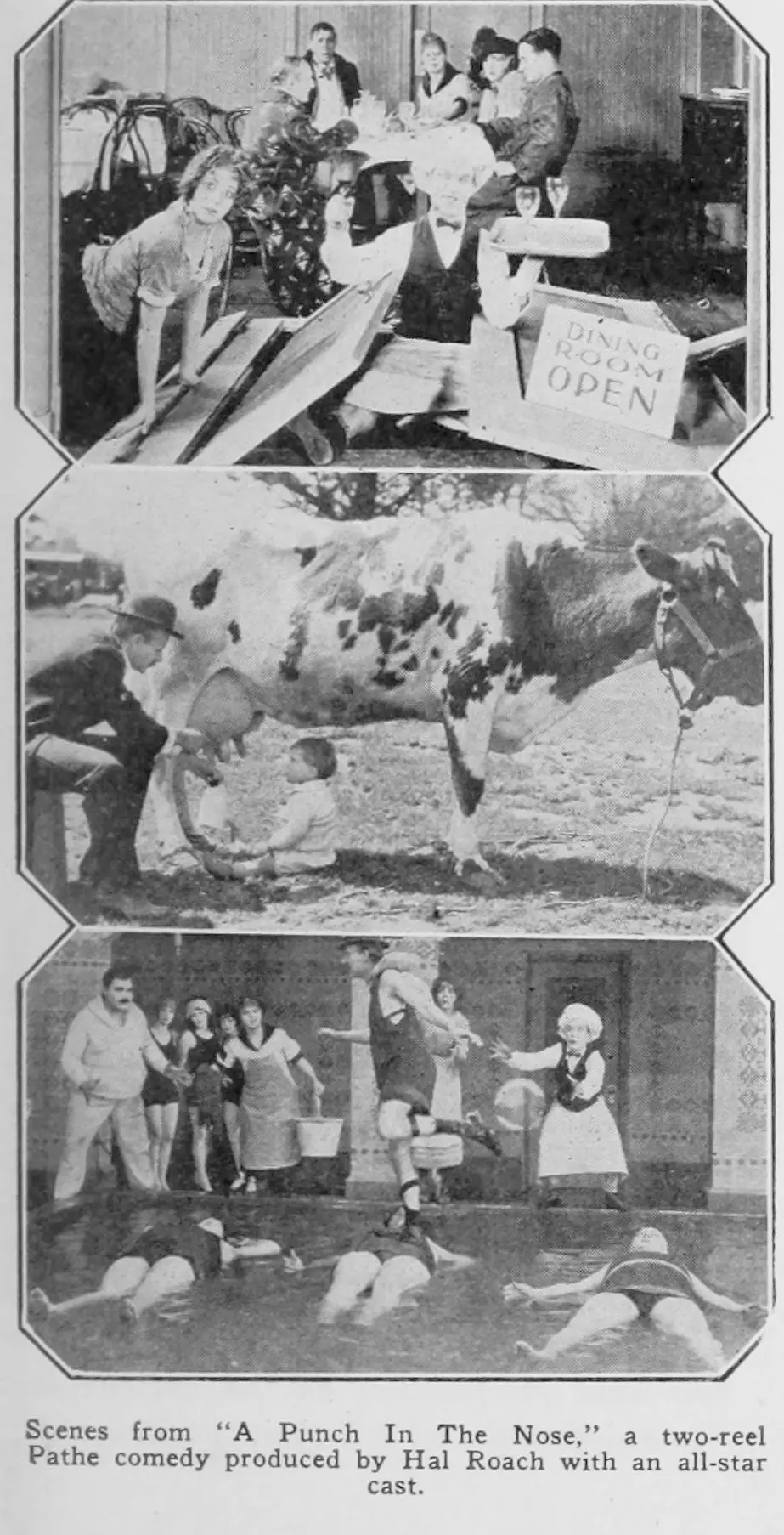
An "Uncle Tom's Cabin" road show gets stranded in a country town, where there is a sanitarium needing several specialists in swimming, massaging, cooking, etc. The troupe applies en masse for the jobs. They are all better actors than sanitarium specialists, even though they are not good actors. When the bruiser who runs the establishment learns that they have misrepresented themselves he sets after the whole crew, but by that time the actors have learned that the little slavey is the real owner of the sanitarium and they banish the villain.
Decades after its release, A Punch in the Nose remains a vital piece of the cinematic puzzle. Its influence can be seen in countless modern works, solidifying J.A. Howe's status as a master of the craft in United States and beyond.