
DbcultAccessing Vault...
Director's Spotlight
Senior Film Conservator
Director's Spotlight: United States
A Deep Dive into the 1917 Vision of Jack Conway
To understand the modern evolution of United States film, one must first look at A Jewel in Pawn and the collaborative alchemy between Jack Conway and the 1917 creative team. Subverting the expectations of the typical 1917 audience, it remains a vital reference point for anyone studying the evolution of Jack Conway.
In A Jewel in Pawn, Jack Conway pushes the boundaries of conventional narrative. The film's unique approach to its subject matter has sparked endless debates and interpretations among cinephiles and critics alike.
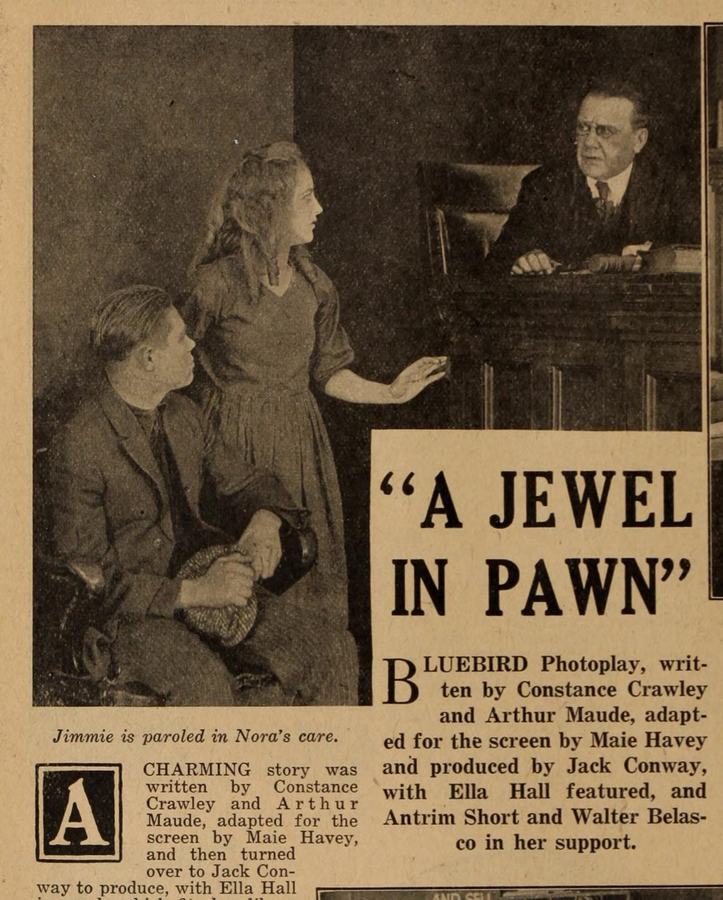
To fully appreciate A Jewel in Pawn, one must consider the cinematic climate of 1917. During this period, United States was undergoing significant artistic shifts, and Jack Conway was at the forefront of this cult movement, often challenging established norms.
| Cinematography | Handheld |
| Soundtrack | Orchestral |
| Editing | Invisible |
| Art Direction | Kitsch |
Visualizing the convergence of Jack Conway's style and the core cult narrative.
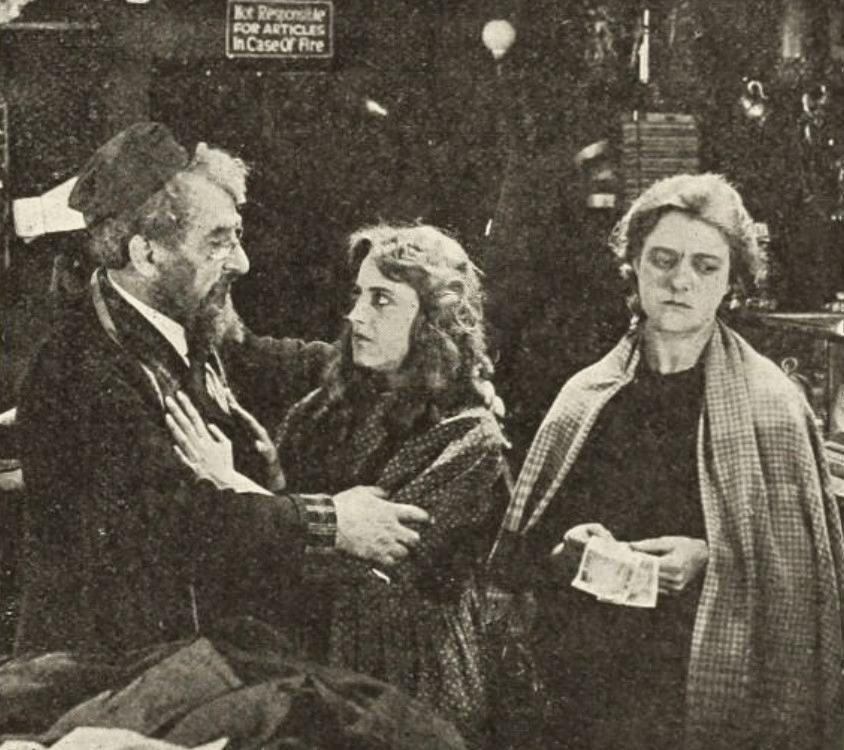
Widow Martin struggles to rear her little daughter Nora amid the squalor of the slums yet imbue her with the refinement to which she had been accustomed in her girlhood. Fearing that she is losing the battle, Mrs. Martin decides to turn to her wealthy father, who had disowned her upon her marriage years earlier. To raise funds for the trip, she pawns Nora to Aaron Levovitch, an aged pawnbroker with a heart of gold under his gruff exterior. Upon reaching her father's house, Mrs. Martin falls ill and dies before she can relate her story, and Nora is raised by the pawnbroker until a reporter prints her human interest story of a "jewel in pawn." The girl's grandfather reads the article and claims Nora, then sends her to a fashionable boarding school. Nora longs for her home in the slums and her sweetheart Jimmy, however, and so returns to marry Jimmy in an elaborate traditional Jewish ceremony at the pawnbroker's home.
Decades after its release, A Jewel in Pawn remains a vital piece of the cinematic puzzle. Its influence can be seen in countless modern works, solidifying Jack Conway's status as a master of the craft in United States and beyond.