
DbcultAccessing Vault...
Director's Spotlight
Senior Film Conservator
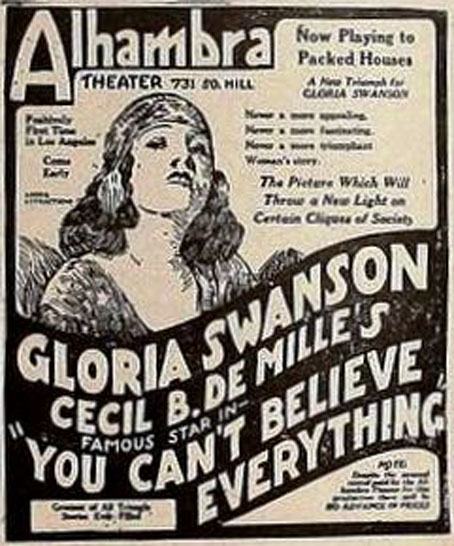
Director's Spotlight: United States
A Deep Dive into the 1918 Vision of Jack Conway
When we examine the cinematic landscape of United States, You Can't Believe Everything emerges as a landmark work of the unique directorial voice that Jack Conway brought to the screen. This film stands as a masterclass in visual storytelling, it demands to be seen by anyone who cares about the art of film.
In You Can't Believe Everything, Jack Conway pushes the boundaries of conventional narrative. The film's unique approach to its subject matter has sparked endless debates and interpretations among cinephiles and critics alike.
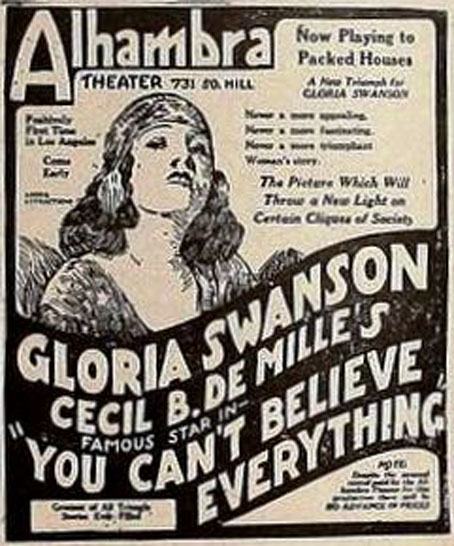
The visual language of You Can't Believe Everything is defined by its use of shadows and framing, a hallmark of Jack Conway's style. By utilizing a 1918-era palette, the film creates an immersive experience that perfectly complements its cult themes.
| Cinematography | High-Contrast |
| Soundtrack | Experimental |
| Editing | Invisible |
| Art Direction | Kitsch |
Visualizing the convergence of Jack Conway's style and the core cult narrative.
Patricia Reynolds, the belle of the summer resort she is visiting with her friend, Amy Powellson, attracts the attention of Arthur Kirby, whom Amy loves. On an evening drive, Arthur tries to kiss Patricia , whereupon she leaps from the car and walks home. While Amy, disguised in Patricia 's clothing, accompanies Arthur to a roadhouse, Patricia , walking near the beach, sees her invalid friend, Jim Wheeler, jump into the ocean intending to kill himself. After rescuing him, Patricia persuades Jim to visit a specialist, but when she later is accused of spending the night with Arthur, she refuses to defend herself in order to conceal Jim's attempted suicide. Hastings Carson tries to save her reputation, but he subsequently attacks her, and she is forced to swim from his yacht to shore. Cured, Jim returns to remove Patricia from this social quagmire by marrying her.
Decades after its release, You Can't Believe Everything remains a vital piece of the cinematic puzzle. Its influence can be seen in countless modern works, solidifying Jack Conway's status as a master of the craft in United States and beyond.