
DbcultAccessing Vault...
Director's Spotlight
Senior Film Conservator
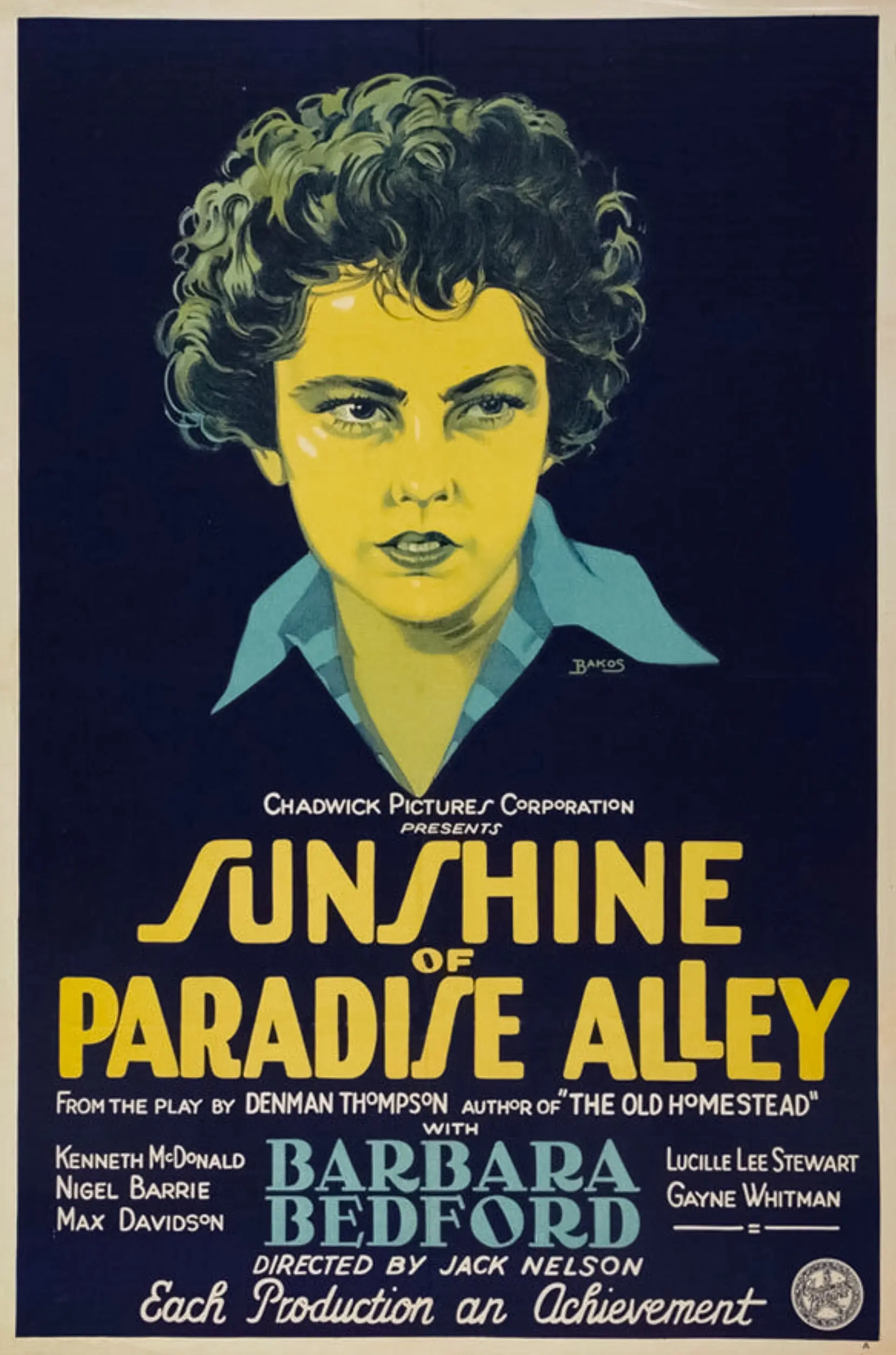
Director's Spotlight: United States
A Deep Dive into the 1926 Vision of Jack Nelson
The 1926 release of Sunshine of Paradise Alley marked a significant moment for the enduring legacy of Jack Nelson's artistic contribution to the genre. By challenging the status quo of 1926 cinema, it has cemented its place in the global cult cinema archive.
In Sunshine of Paradise Alley, Jack Nelson pushes the boundaries of conventional narrative. The film's unique approach to its subject matter has sparked endless debates and interpretations among cinephiles and critics alike.
| Cinematography | Static |
| Soundtrack | Experimental |
| Editing | Invisible |
| Art Direction | Kitsch |
Visualizing the convergence of Jack Nelson's style and the core Romance narrative.
A wealthy banker wants to tear down a tenement slum to build a factory, but a charming girl who lives there starts to persuade him to change his mind. A crooked bank employee and one of the tenement dwellers are stealing bonds from the bank. When they are about to be caught, they try to frame the girl and her boyfriend, and the bank employee attempts to force himself on the girl. All comes right in the end, and the banker decides to build new apartments for the tenement-dwellers instead of a factory.
Decades after its release, Sunshine of Paradise Alley remains a vital piece of the cinematic puzzle. Its influence can be seen in countless modern works, solidifying Jack Nelson's status as a master of the craft in United States and beyond.