
DbcultAccessing Vault...
Director's Spotlight
Senior Film Conservator
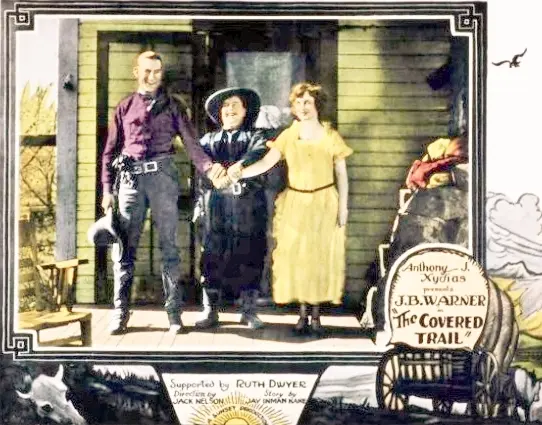
Director's Spotlight: United States
A Deep Dive into the 1924 Vision of Jack Nelson
Exploring the Drama underpinnings of The Covered Trail leads us to the stylistic boundaries pushed by Jack Nelson during the production. Through a lens of existential fatalism and Drama tropes, it continues to spark endless debates among critics and cinephiles alike.
In The Covered Trail, Jack Nelson pushes the boundaries of conventional narrative. The film's unique approach to its subject matter has sparked endless debates and interpretations among cinephiles and critics alike.
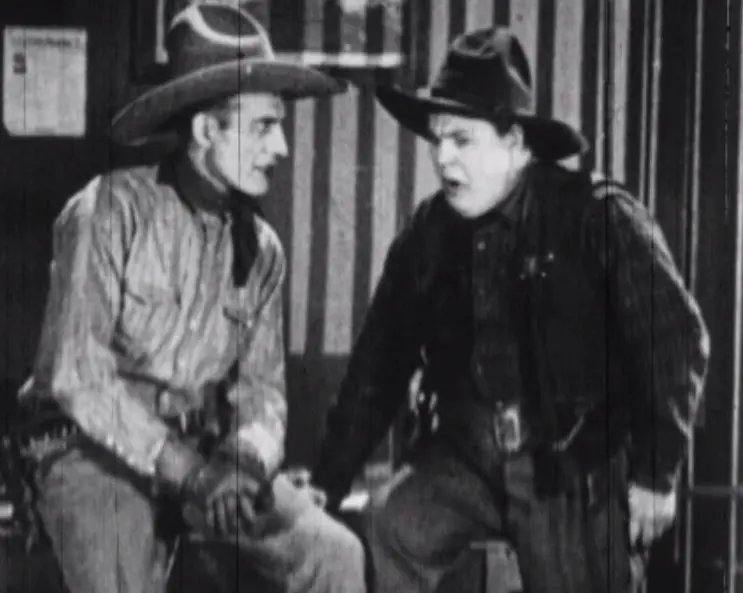
While deeply rooted in United States, The Covered Trail has achieved a global reach, influencing directors from various backgrounds. Its ability to translate Drama tropes into a universal cinematic language is why it remains a cult staple decades after its 1924 release.
| Cinematography | Noir-Inspired |
| Soundtrack | Synth-Heavy |
| Editing | Disjunctive |
| Art Direction | Baroque |
Visualizing the convergence of Jack Nelson's style and the core Drama narrative.
Keats (J.B. Warner) is suspected of being the member of a gang of rustlers while he is trying to save his weakling brother from their influence and keep his brother from becoming an outlaw. Keats is captured and about to be hung when the local sheriff (Robert McKenzie) frees him during a ruse. Keats is recaptured by the vigilantes and placed in jail but escapes in time to foil the outlaw gang from robbing the local Wells Fargo office. The Sheriff makes Keats his Deputy and together they capture the gang. After being mortally wounded by the gang, Keats is exonerated by his dying brother who makes a deathbed confession clearing Keats of any wrongdoing.
Decades after its release, The Covered Trail remains a vital piece of the cinematic puzzle. Its influence can be seen in countless modern works, solidifying Jack Nelson's status as a master of the craft in United States and beyond.