
DbcultAccessing Vault...
Director's Spotlight
Senior Film Conservator
Director's Spotlight: United States
A Deep Dive into the 1926 Vision of Jack Nelson
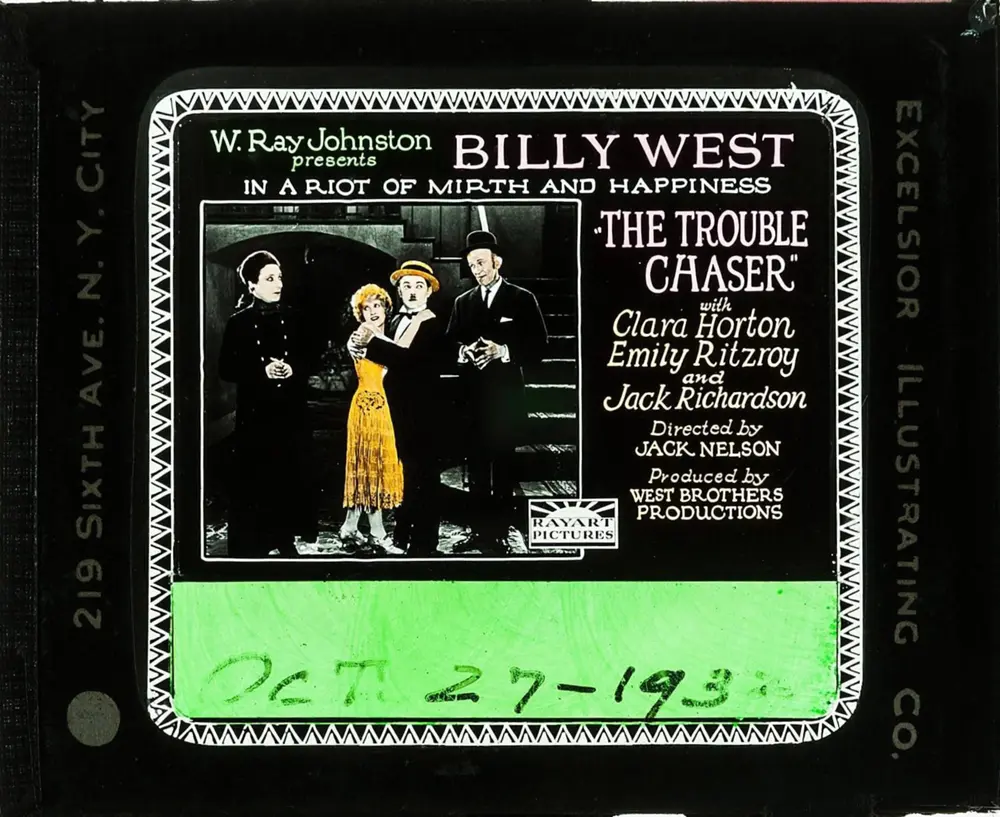
To understand the modern evolution of United States film, one must first look at The Trouble Chaser and the meticulous attention to detail that Jack Nelson applied to every frame. Reflecting the political and social shifts of the 1926s, it showcases the power of Comedy as a tool for social commentary.
In The Trouble Chaser, Jack Nelson pushes the boundaries of conventional narrative. The film's unique approach to its subject matter has sparked endless debates and interpretations among cinephiles and critics alike.
In this work, Jack Nelson explores the intersection of Comedy and United States cultural identity. The meticulous attention to detail suggests a deep-seated commitment to pushing the boundaries of the medium, ensuring that The Trouble Chaser remains a relevant topic of study for Comedy enthusiasts.
| Cinematography | High-Contrast |
| Soundtrack | Minimalist |
| Editing | Disjunctive |
| Art Direction | Baroque |
Visualizing the convergence of Jack Nelson's style and the core Comedy narrative.
Hector, who was reared by a maiden aunt, decides to leave his sheltered life and become a reporter. At the newspaper where he has works, Hector becomes friendly with a young female reporter, who uses the byline "Firefly" for a series of articles intended to expose a notorious café. At the same time, Hector's aunt, head of the local Purity League, gives a stirring speech to the membership about ridding their community of the café. The young woman enlists Hector's aid and together they gain enough evidence to close the café.
Decades after its release, The Trouble Chaser remains a vital piece of the cinematic puzzle. Its influence can be seen in countless modern works, solidifying Jack Nelson's status as a master of the craft in United States and beyond.