
DbcultAccessing Vault...
Director's Spotlight
Senior Film Conservator
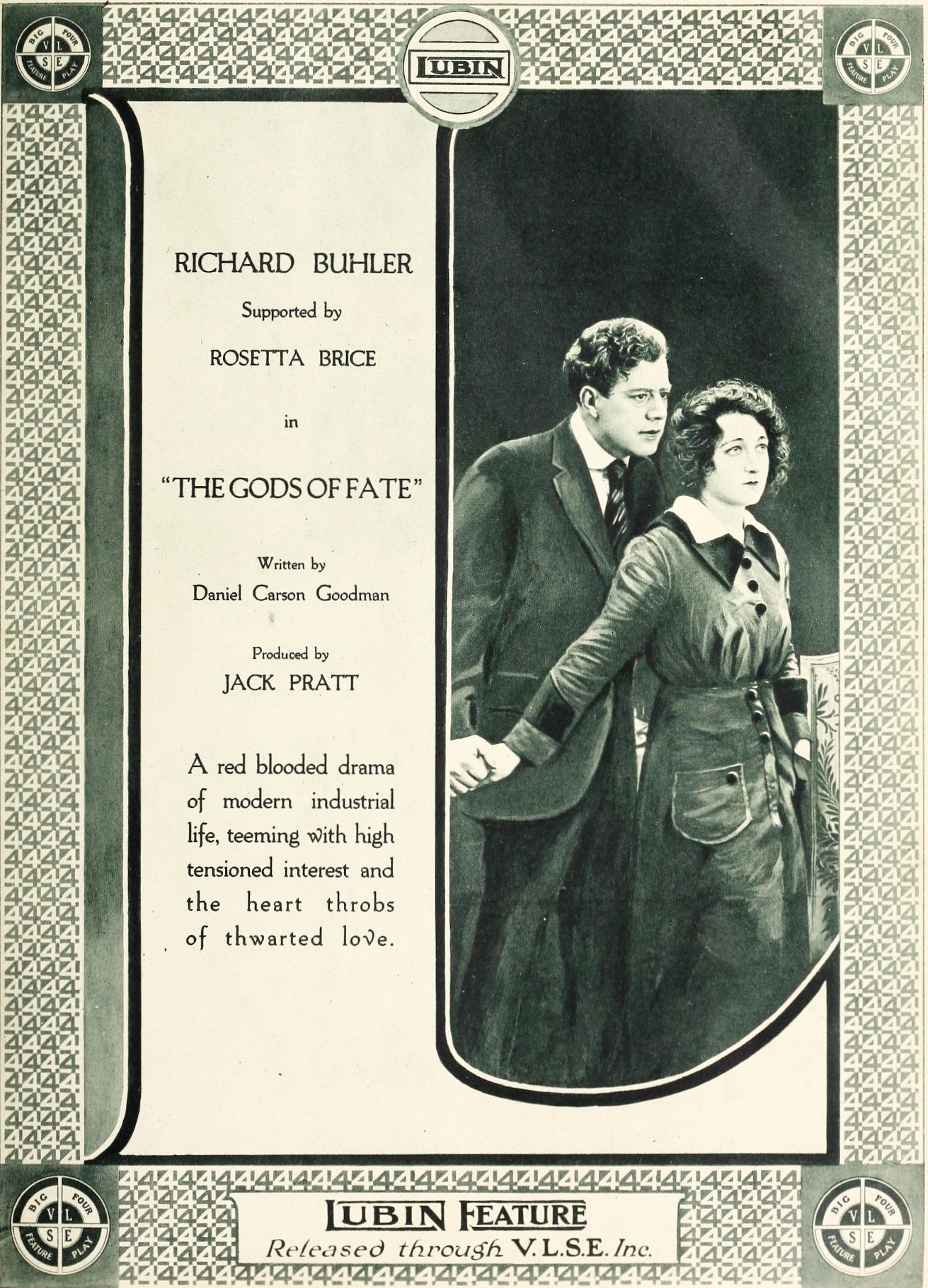
Director's Spotlight: United States
A Deep Dive into the 1916 Vision of Jack Pratt
Deciphering the layers of The Gods of Fate (1916) reveals the complex thematic architecture established by Jack Pratt. Utilizing a 1916-specific aesthetic that remains timeless, it stands as the definitive 1916 statement on cult identity.
In The Gods of Fate, Jack Pratt pushes the boundaries of conventional narrative. The film's unique approach to its subject matter has sparked endless debates and interpretations among cinephiles and critics alike.
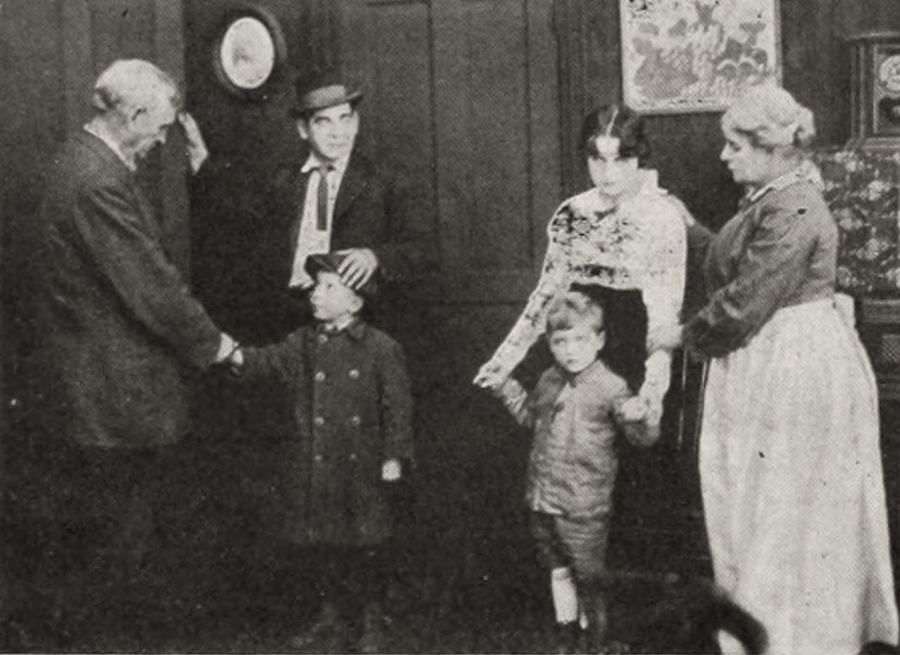
To fully appreciate The Gods of Fate, one must consider the cinematic climate of 1916. During this period, United States was undergoing significant artistic shifts, and Jack Pratt was at the forefront of this cult movement, often challenging established norms.
| Cinematography | High-Contrast |
| Soundtrack | Synth-Heavy |
| Editing | Disjunctive |
| Art Direction | Baroque |
Visualizing the convergence of Jack Pratt's style and the core cult narrative.
When George Estey dies just after completing an important invention, his friend, John Miller, steals the plans and makes a fortune selling them. Then, stricken by a guilty conscience, he adopts Jane, George's orphaned child and the rightful owner of the invention. Years later, after having raised Jane as his own daughter, John dies. In his will, he discloses his theft of the plans and reveals Jane's true identity. He then leaves all of his money to Kent, his worthless son, provided that he marry his "sister." Jane, however, wants to marry Gordon, her other "brother," who is determined that Jane get all of the money from George's invention. Furious, Kent tries to murder both Jane and Gordon, but he fails, and the police quickly arrest him. Jane is then awarded the rights to George's invention, after which she and Gordon plan their life together.
Decades after its release, The Gods of Fate remains a vital piece of the cinematic puzzle. Its influence can be seen in countless modern works, solidifying Jack Pratt's status as a master of the craft in United States and beyond.