
DbcultAccessing Vault...
Director's Spotlight
Senior Film Conservator
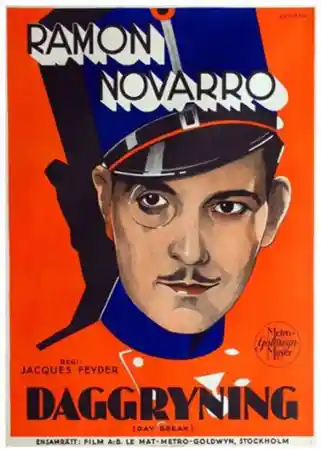
Director's Spotlight: United States
A Deep Dive into the 1931 Vision of Jacques Feyder
When we examine the cinematic landscape of United States, Daybreak emerges as a landmark work of the enduring legacy of Jacques Feyder's artistic contribution to the genre. Through a lens of existential fatalism and Drama tropes, it captures a specific kind of cinematic magic that is rarely replicated.
In Daybreak, Jacques Feyder pushes the boundaries of conventional narrative. The film's unique approach to its subject matter has sparked endless debates and interpretations among cinephiles and critics alike.
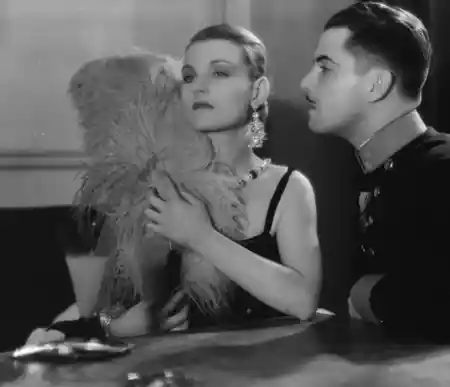
The visual language of Daybreak is defined by its use of shadows and framing, a hallmark of Jacques Feyder's style. By utilizing a 1931-era palette, the film creates an immersive experience that perfectly complements its Drama themes.
| Cinematography | Static |
| Soundtrack | Experimental |
| Editing | Invisible |
| Art Direction | Kitsch |
Visualizing the convergence of Jacques Feyder's style and the core Drama narrative.
Willi, a brash young lieutenant in the Austrian Imperial Guard, bent on an evening of pleasure, visits a gambling parlor and house of ill-repute. He meets Laura, a sweet innocent girl and spends the night with her, leaving her money in the morning. Devastated to realize that he found her a mere convenience, she becomes the mistress of Herr Schnabel, an unpleasant but wealthy gentleman. Never quite getting over Laura, Willi is goaded by her into gambling with Schnabel and losing more money to him than he can possibly repay. Laura is unaware that Willi must either pay his debt by the next day or take the only other honorable way out: committing suicide.
Decades after its release, Daybreak remains a vital piece of the cinematic puzzle. Its influence can be seen in countless modern works, solidifying Jacques Feyder's status as a master of the craft in United States and beyond.