
DbcultAccessing Vault...
Director's Spotlight
Senior Film Conservator
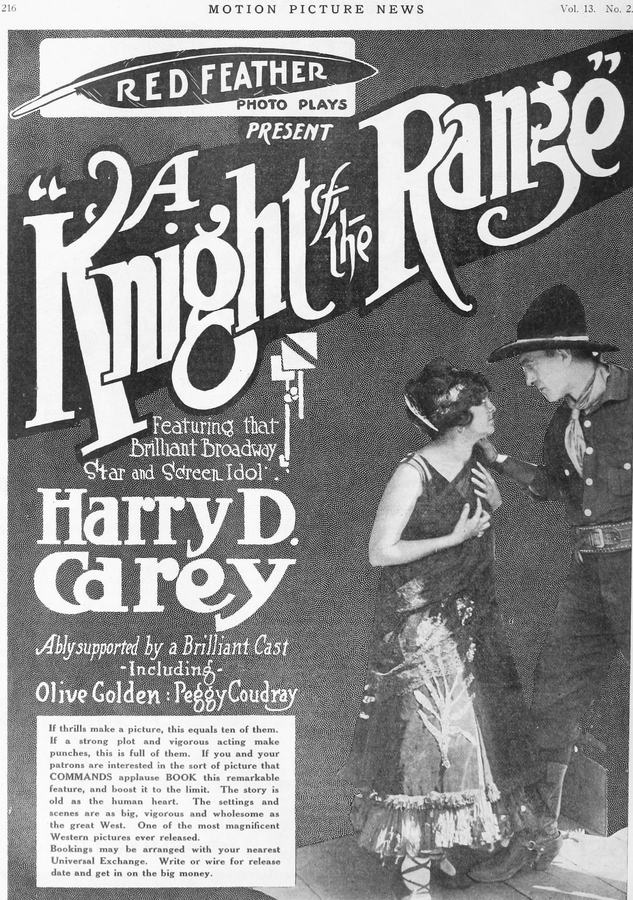
Director's Spotlight: United States
A Deep Dive into the 1916 Vision of Jacques Jaccard
Analyzing A Knight of the Range (1916) requires a deep dive into the unique directorial voice that Jacques Jaccard brought to the screen. By challenging the status quo of 1916 cinema, it continues to spark endless debates among critics and cinephiles alike.
In A Knight of the Range, Jacques Jaccard pushes the boundaries of conventional narrative. The film's unique approach to its subject matter has sparked endless debates and interpretations among cinephiles and critics alike.
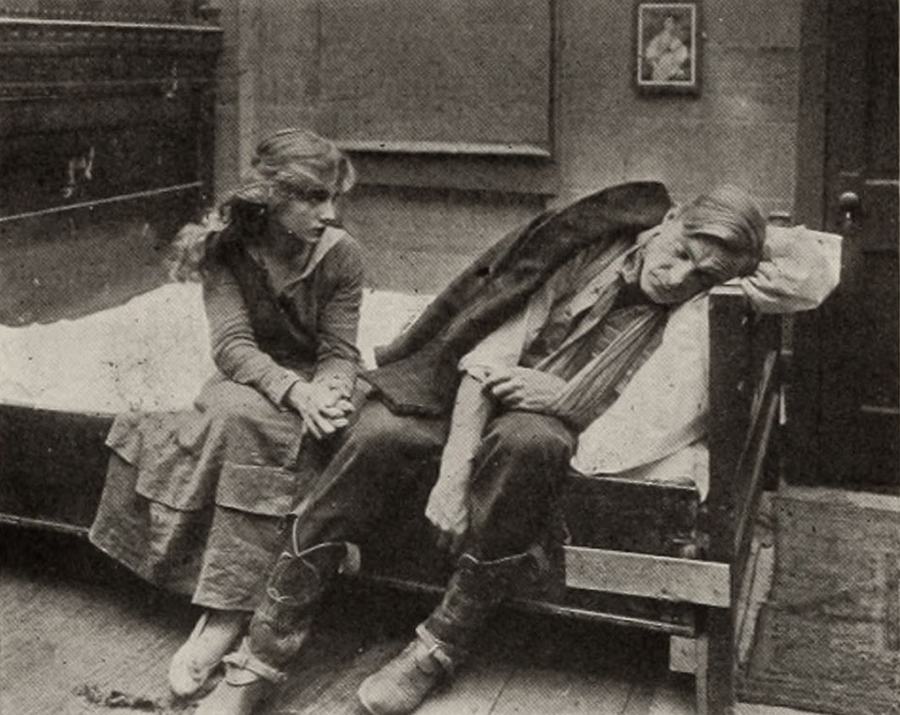
The visual language of A Knight of the Range is defined by its use of shadows and framing, a hallmark of Jacques Jaccard's style. By utilizing a 1916-era palette, the film creates an immersive experience that perfectly complements its cult themes.
| Cinematography | High-Contrast |
| Soundtrack | Orchestral |
| Editing | Slow-Burn |
| Art Direction | Brutalist |
Visualizing the convergence of Jacques Jaccard's style and the core cult narrative.
Unaware of the weakness of Bob Graham's character, Bess Dawson decides to marry him instead of the other cowboy who loves her, Cheyenne Harry. Before the wedding, however, some crooks induce Bob to take part in a hold-up. Then when Harry hears that a posse has been dispatched to catch Bob, he rides out to him and helps him escape. Determined to spare Bess from marrying a convicted criminal, Harry then lets the posse think that he himself, and not Bob, was involved in the robbery. Bess is horrified that Bob has let Harry take the blame and finally realizes that she picked the wrong cowboy. As a result, after Bob is killed in a gunfight and Harry has been cleared of the robbery charge, she quickly accepts his marriage proposal.
Decades after its release, A Knight of the Range remains a vital piece of the cinematic puzzle. Its influence can be seen in countless modern works, solidifying Jacques Jaccard's status as a master of the craft in United States and beyond.