
DbcultAccessing Vault...
Director's Spotlight
Senior Film Conservator
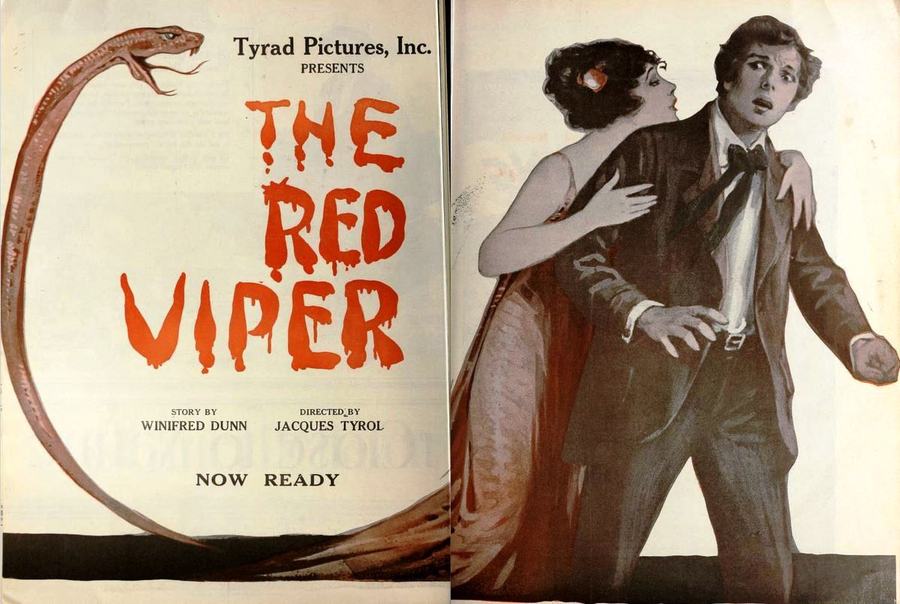
Director's Spotlight: United States
A Deep Dive into the 1919 Vision of Jacques Tyrol
Deciphering the layers of The Red Viper (1919) reveals a monumental shift in cult filmmaking spearheaded by Jacques Tyrol. With its avant-garde structure and atmospheric tension, offering layers of thematic complexity that demand repeated viewing.
In The Red Viper, Jacques Tyrol pushes the boundaries of conventional narrative. The film's unique approach to its subject matter has sparked endless debates and interpretations among cinephiles and critics alike.
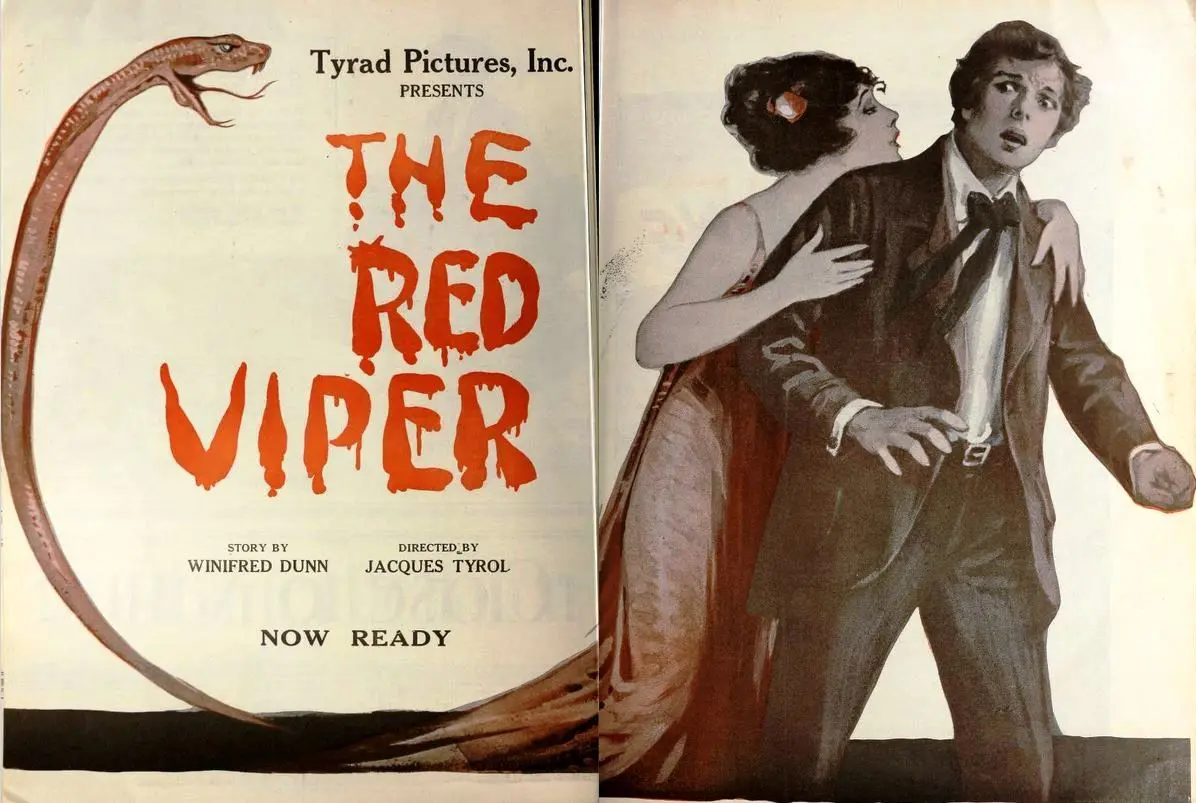
The visual language of The Red Viper is defined by its use of shadows and framing, a hallmark of Jacques Tyrol's style. By utilizing a 1919-era palette, the film creates an immersive experience that perfectly complements its cult themes.
| Cinematography | Noir-Inspired |
| Soundtrack | Diegetic |
| Editing | Elliptical |
| Art Direction | Expressionist |
Visualizing the convergence of Jacques Tyrol's style and the core cult narrative.
David Belkov, a newsboy born of foreign parents who live in "New York's crucible," the East Side, admires the late Theodore Roosevelt, but when he sees a poor family being evicted, he joins the Hogan Street anarchist group, of which his father's friends and his sweetheart Yolanda Kosloff, are members. The group plans to assassinate Judge Norton, who earlier condemned one of their comrades to the electric chair. After David witnesses the bravery of twelve-year-old Mary Hogan, who sings patriotic ditties to drown out the soap box orations of the anarchists, he prints leaflets to combat the anarchist views. Mary is killed trying to thwart the anarchists' plot, and David is caught and badly beaten. After government agents, thought to be converts, break up the gang, David arrives just in time to stop Yolanda, who is dancing at a celebration at Norton's home, from dropping a bomb. David is shot by the anarchist leader, but Yolanda, realizing her error, nurses him to health.
Decades after its release, The Red Viper remains a vital piece of the cinematic puzzle. Its influence can be seen in countless modern works, solidifying Jacques Tyrol's status as a master of the craft in United States and beyond.