
DbcultAccessing Vault...
Director's Spotlight
Senior Film Conservator
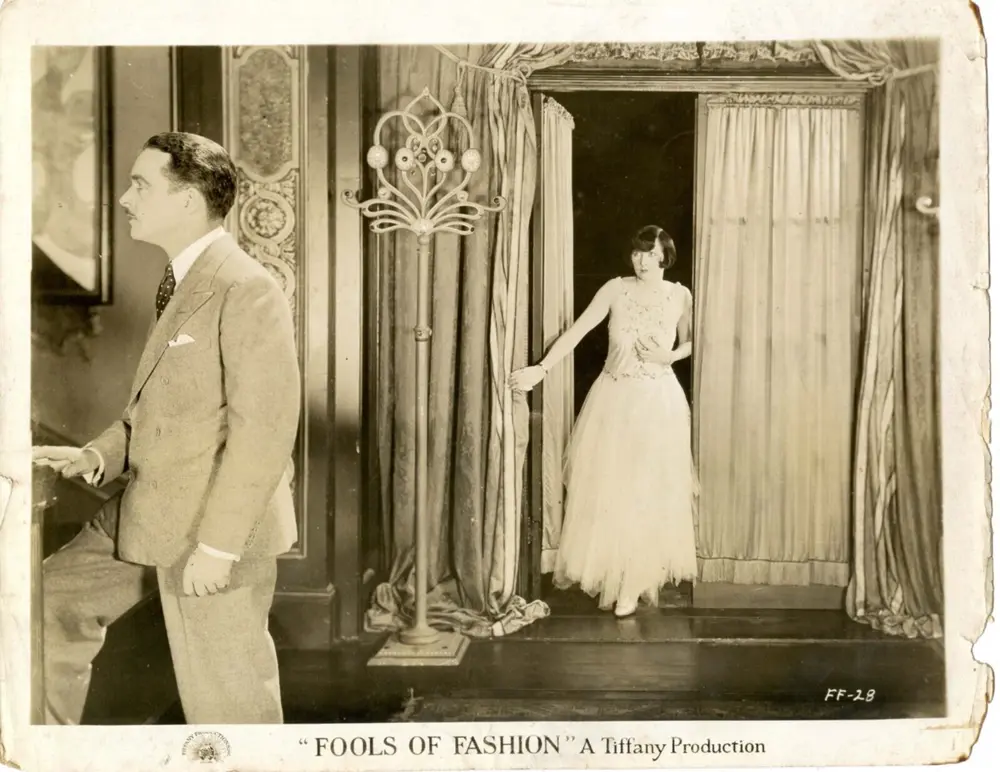
Director's Spotlight: United States
A Deep Dive into the 1926 Vision of James C. McKay
Analyzing Fools of Fashion (1926) requires a deep dive into the defining moment in Drama history that James C. McKay helped create. Defining a new era of United States artistic expression, it transcends regional boundaries to tell a universal story.
In Fools of Fashion, James C. McKay pushes the boundaries of conventional narrative. The film's unique approach to its subject matter has sparked endless debates and interpretations among cinephiles and critics alike.
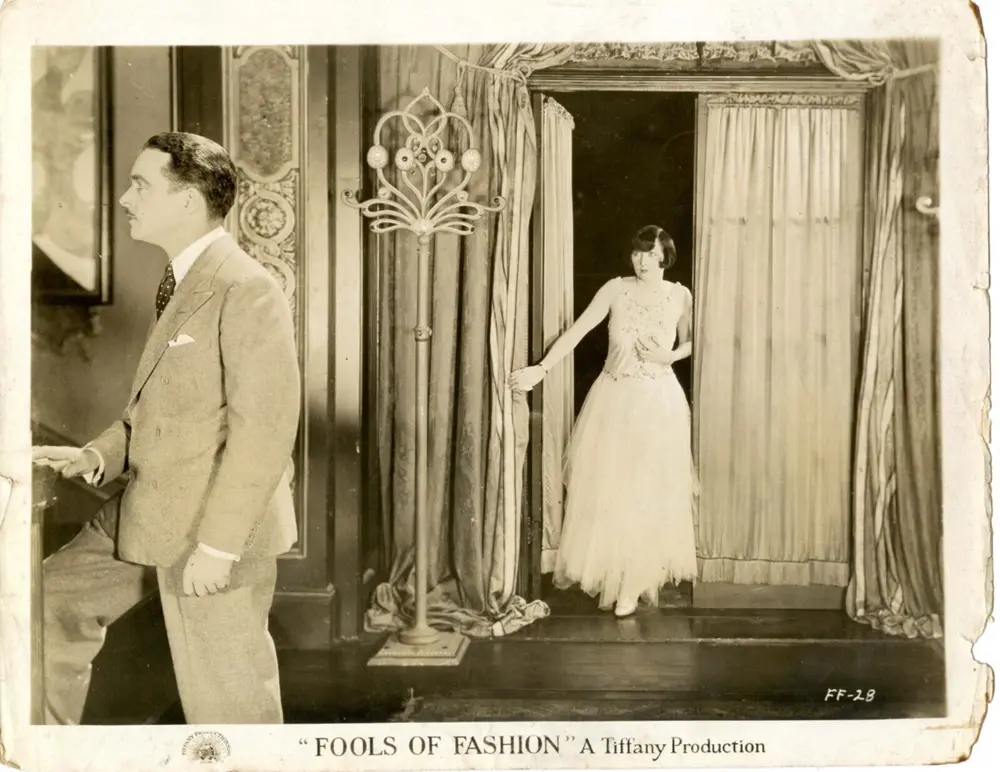
While deeply rooted in United States, Fools of Fashion has achieved a global reach, influencing directors from various backgrounds. Its ability to translate Drama tropes into a universal cinematic language is why it remains a cult staple decades after its 1926 release.
| Cinematography | Deep Focus |
| Soundtrack | Orchestral |
| Editing | Invisible |
| Art Direction | Kitsch |
Visualizing the convergence of James C. McKay's style and the core Drama narrative.
Mary Young, a young wife who longs for beautiful clothes, is invited by her friend Enid to shop at Madame Francine's, where she meets the Countess de Fragni, an artist, and Mr. Norris, an elderly roué. Mary, persuaded by Enid, buys an expensive fur coat with money she wins in a poker game and tells her husband that she won it with a pawn ticket; she agrees to earn back the money by posing for the countess, and her husband, Matthew, unexpectedly finds her there in a compromising situation with Norris. Joe, Enid's husband, also suspects his wife of infidelity and follows her to the countess' house, where Enid falls to her death from the balcony. Mary goes to Norris' apartment to prevent Matthew from killing Norris, and having been convinced that he has been ungenerous with his wife, he repents.
Decades after its release, Fools of Fashion remains a vital piece of the cinematic puzzle. Its influence can be seen in countless modern works, solidifying James C. McKay's status as a master of the craft in United States and beyond.