
DbcultAccessing Vault...
Director's Spotlight
Senior Film Conservator
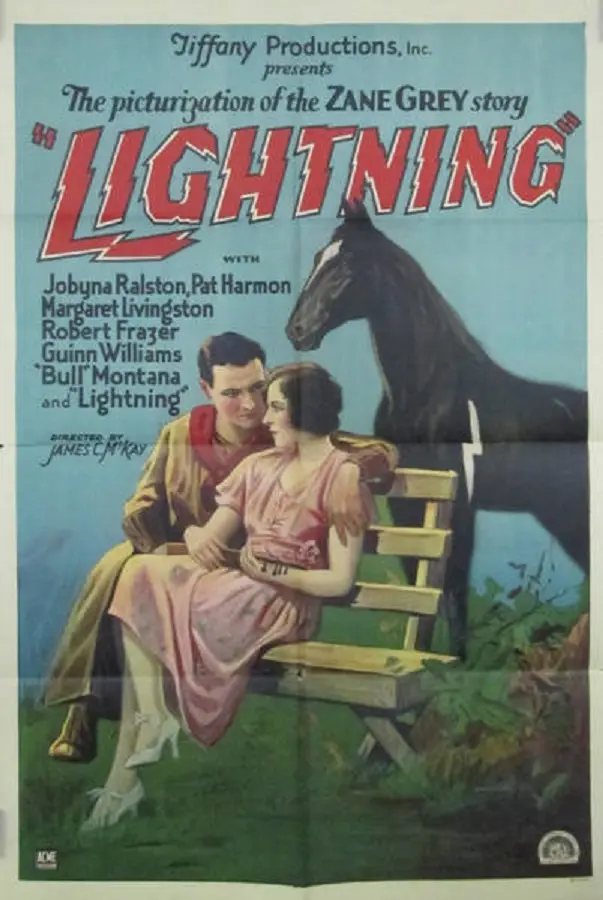
Director's Spotlight: United States
A Deep Dive into the 1927 Vision of James C. McKay
The evocative power of Lightning stems from the unique collaboration between the bold experimentation that has become synonymous with James C. McKay. Framed by the hauntingly beautiful landscapes of the production, it echoes the profound changes occurring in United States during that era.
In Lightning, James C. McKay pushes the boundaries of conventional narrative. The film's unique approach to its subject matter has sparked endless debates and interpretations among cinephiles and critics alike.
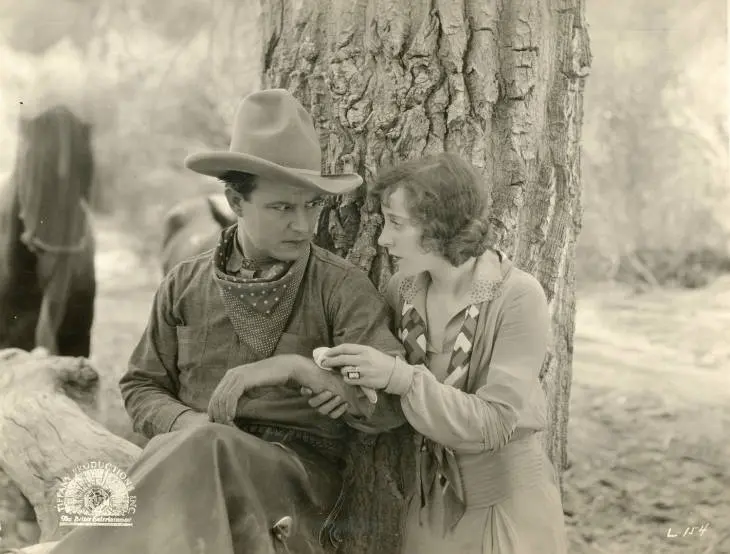
In this work, James C. McKay explores the intersection of Action and United States cultural identity. The meticulous attention to detail suggests a deep-seated commitment to pushing the boundaries of the medium, ensuring that Lightning remains a relevant topic of study for Action enthusiasts.
| Cinematography | Noir-Inspired |
| Soundtrack | Experimental |
| Editing | Invisible |
| Art Direction | Kitsch |
Visualizing the convergence of James C. McKay's style and the core Action narrative.
SYNOPSIS In the Sevier River mountain area of Utah, horse wranglers Lee and Cuth Stewart, famous for their skill, are unable after several encounters to capture the wild stallion Lightning. Later, in Chicago, where they are seeing the sights, the boys meet and flirt with Dot and Mary, two entertainers who are doing a Topsy and Eva act; by their third meeting the brothers are ready to propose, but the girls leave town unexpectedly with their money and no intentions of marriage. Back in Utah, Lightning, attracted to Lee's pet mare, Bess, invades their camp and takes her away. The boys' pursuit leads them into the desert, which the girls are crossing by airplane; after a forced landing, the boys take the girls "prisoner," putting them to work. The girls escape and almost die in a sandstorm, but Lee and Cuth rescue them and also subdue Lightning; all are happily reunited.
Decades after its release, Lightning remains a vital piece of the cinematic puzzle. Its influence can be seen in countless modern works, solidifying James C. McKay's status as a master of the craft in United States and beyond.