
DbcultAccessing Vault...
Director's Spotlight
Senior Film Conservator
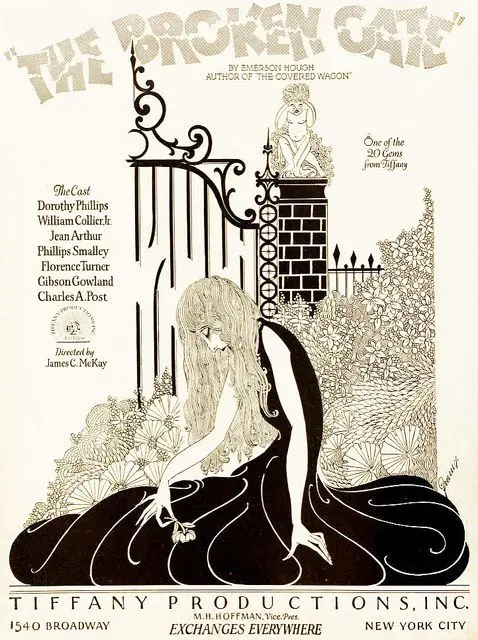
Director's Spotlight: United States
A Deep Dive into the 1927 Vision of James C. McKay
To understand the modern evolution of United States film, one must first look at The Broken Gate and the collaborative alchemy between James C. McKay and the 1927 creative team. Subverting the expectations of the typical 1927 audience, it remains a vital reference point for anyone studying the evolution of James C. McKay.
In The Broken Gate, James C. McKay pushes the boundaries of conventional narrative. The film's unique approach to its subject matter has sparked endless debates and interpretations among cinephiles and critics alike.
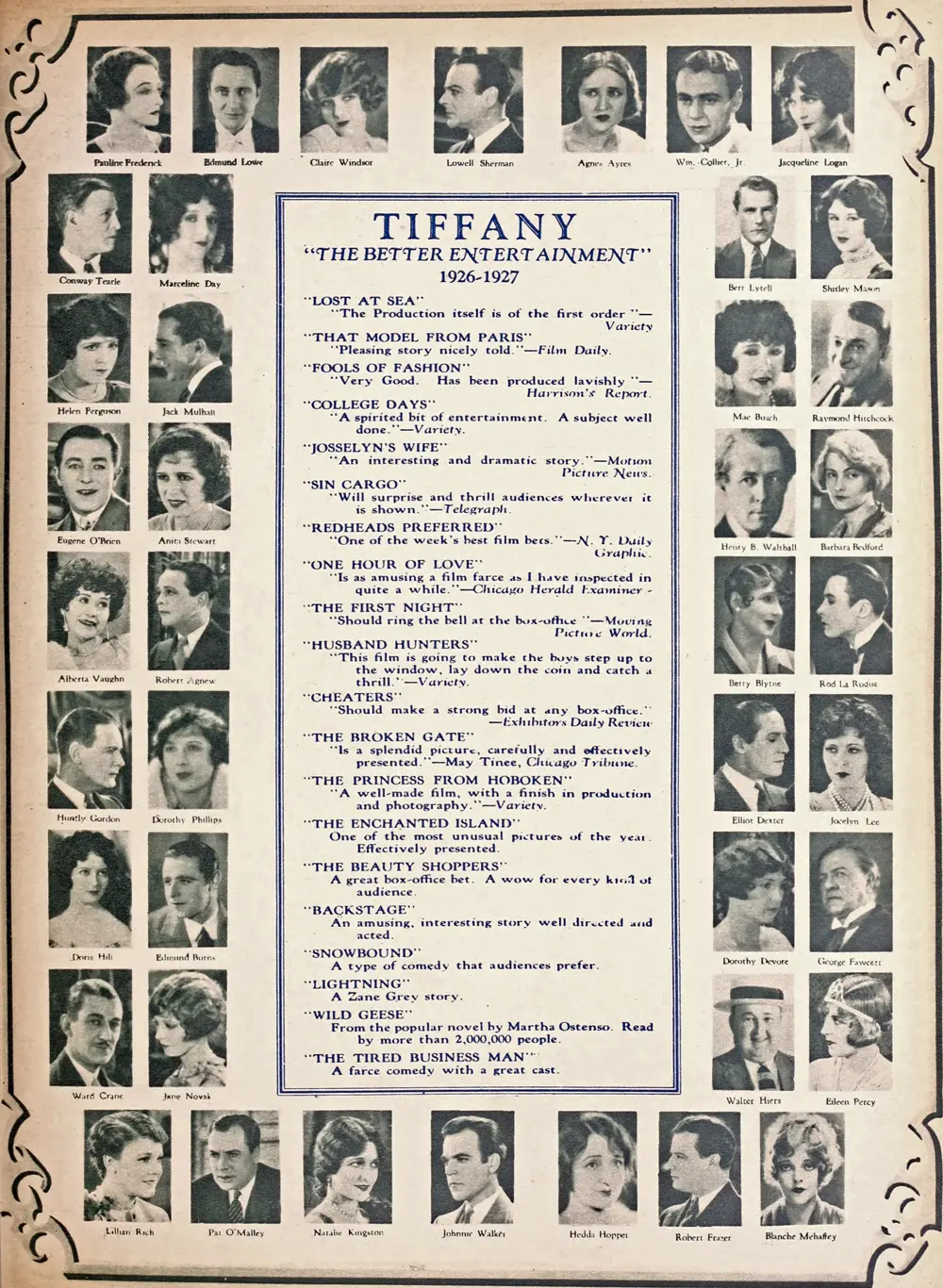
In this work, James C. McKay explores the intersection of cult and United States cultural identity. The meticulous attention to detail suggests a deep-seated commitment to pushing the boundaries of the medium, ensuring that The Broken Gate remains a relevant topic of study for cult enthusiasts.
| Cinematography | Static |
| Soundtrack | Minimalist |
| Editing | Disjunctive |
| Art Direction | Baroque |
Visualizing the convergence of James C. McKay's style and the core cult narrative.
In the small farming community of Spring Valley, young Aurora Lane causes a scandal by bearing the son of townsman Lucius Henderson, who refuses to marry her or even admit that he's the father. Shunned as a "sinful" woman by most of the town, she turns over her son Don to be raised by Miss Julia, the town librarian, who tells the boy that she's his "aunt". Don grows up and goes to college, and when he comes back home the town gossips begin a rumor-mongering campaign. When the town policeman tries to drive Aurora out of town he is found murdered, and Don is arrested for the crime.
Decades after its release, The Broken Gate remains a vital piece of the cinematic puzzle. Its influence can be seen in countless modern works, solidifying James C. McKay's status as a master of the craft in United States and beyond.