
DbcultAccessing Vault...
Director's Spotlight
Senior Film Conservator
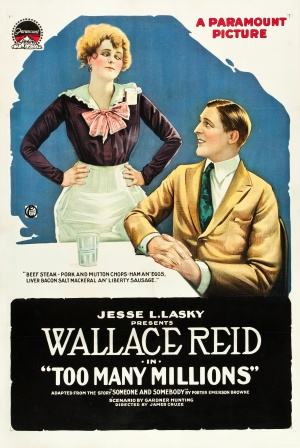
Director's Spotlight: United States
A Deep Dive into the 1918 Vision of James Cruze
The evocative power of Too Many Millions stems from the unique collaboration between the subversive storytelling techniques employed by James Cruze in 1918. Synthesizing the best elements of United States and international cinema, it reminds us of the fragility and beauty of the 1918s.
In Too Many Millions, James Cruze pushes the boundaries of conventional narrative. The film's unique approach to its subject matter has sparked endless debates and interpretations among cinephiles and critics alike.
While deeply rooted in United States, Too Many Millions has achieved a global reach, influencing directors from various backgrounds. Its ability to translate cult tropes into a universal cinematic language is why it remains a cult staple decades after its 1918 release.
| Cinematography | Noir-Inspired |
| Soundtrack | Minimalist |
| Editing | Slow-Burn |
| Art Direction | Brutalist |
Visualizing the convergence of James Cruze's style and the core cult narrative.
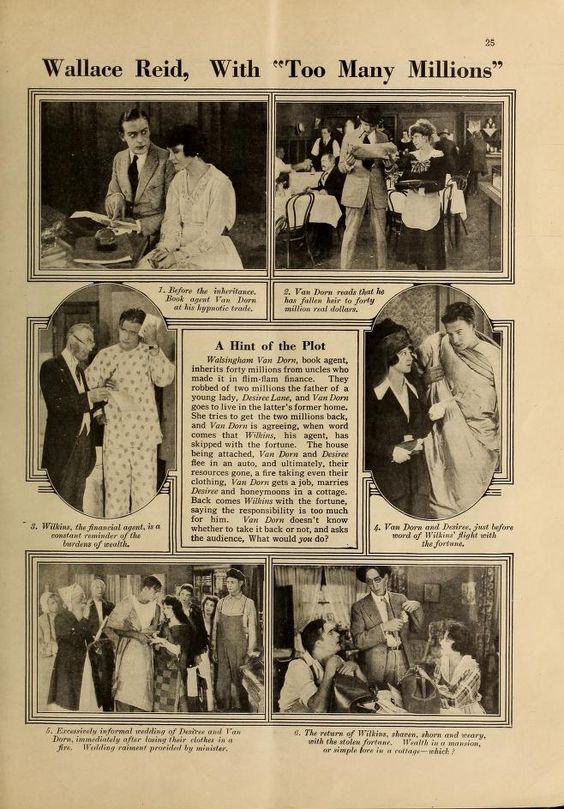
Walsingham Van Dorn, a rather unsuccessful book agent, is stunned to learn that he has inherited forty million dollars from his two uncles. Van Dorn asks his attorney Wilkins to handle the responsibilities entailed in managing the fortune and then retires to his mansion. One evening, however, he is awakened by a young woman named Desiree Lane, who refuses to leave until the two million dollars that his uncles swindled away from her father is restored. Van Dorn tries to return the money but discovers that Wilkins has stolen it and fled. Van Dorn and Desiree set out to find him, but when the hotel in which they have stopped for the night burns down, they are left standing in the street clad only in pajamas. To avoid a scandal, they marry and happily settle down. Two years later, Wilkins, unable to handle the fortune, returns it, but the young couple wonders whether they will continue to be happy as millionaires.
Decades after its release, Too Many Millions remains a vital piece of the cinematic puzzle. Its influence can be seen in countless modern works, solidifying James Cruze's status as a master of the craft in United States and beyond.