
DbcultAccessing Vault...
Director's Spotlight
Senior Film Conservator
Director's Spotlight: United States
A Deep Dive into the 1916 Vision of James Durkin
The thematic gravity of Who Killed Simon Baird? (1916) is rooted in the historical context that James Durkin weaves into the cult fabric. Synthesizing the best elements of United States and international cinema, it highlights the importance of independent voices in United States.
In Who Killed Simon Baird?, James Durkin pushes the boundaries of conventional narrative. The film's unique approach to its subject matter has sparked endless debates and interpretations among cinephiles and critics alike.
While deeply rooted in United States, Who Killed Simon Baird? has achieved a global reach, influencing directors from various backgrounds. Its ability to translate cult tropes into a universal cinematic language is why it remains a cult staple decades after its 1916 release.
| Cinematography | Deep Focus |
| Soundtrack | Minimalist |
| Editing | Slow-Burn |
| Art Direction | Brutalist |
Visualizing the convergence of James Durkin's style and the core cult narrative.
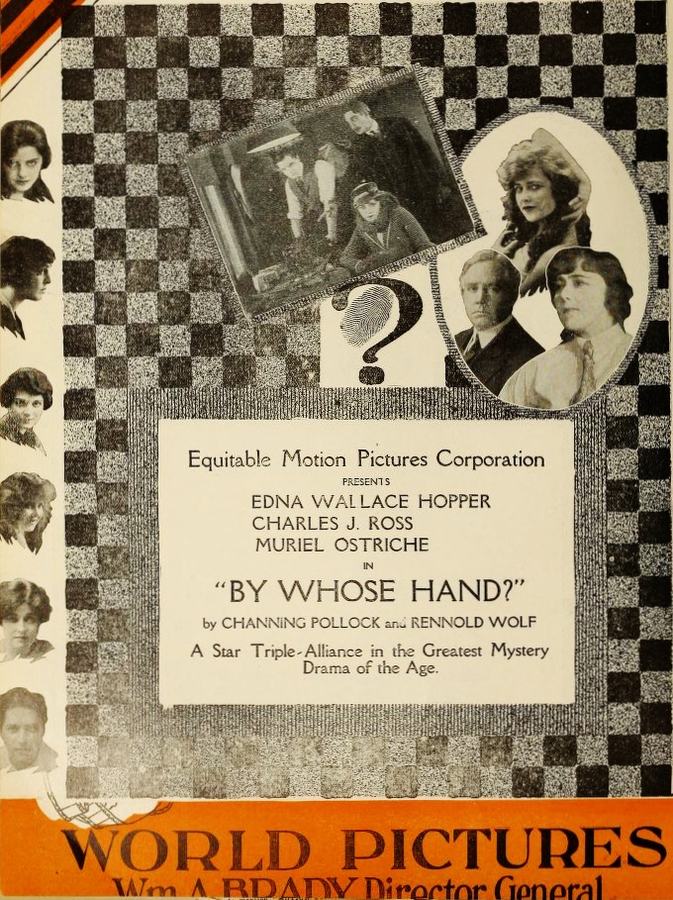
Edith and John Maitland will allow David Sterling to marry their daughter Helen as soon as he earns five thousand dollars, so David tries to sell one of his inventions to Simon Baird for that amount. Simon, unable to make up his mind, is found murdered the next day, and David is arrested with five thousand dollars of Simon's money in his possession. At the trial, Edith confesses to the murder, saying that Simon had wronged her years before, and that she took his money and gave it to David so that he could marry Helen. David refutes this testimony, though, and claims to be the murderer himself. In the end, the audience must decide for itself the identity of the killer.
Decades after its release, Who Killed Simon Baird? remains a vital piece of the cinematic puzzle. Its influence can be seen in countless modern works, solidifying James Durkin's status as a master of the craft in United States and beyond.