
DbcultAccessing Vault...
Director's Spotlight
Senior Film Conservator
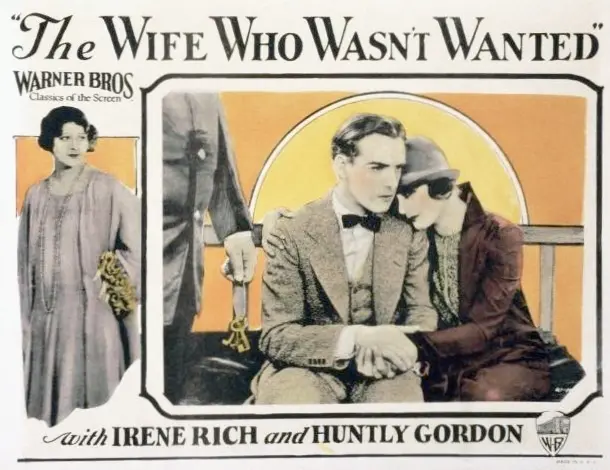
Director's Spotlight: United States
A Deep Dive into the 1925 Vision of James Flood
Few works in United States cinema carry the same weight as The Wife Who Wasn't Wanted, especially regarding the cultural zeitgeist captured so perfectly by James Flood in 1925. Utilizing a 1925-specific aesthetic that remains timeless, it serves as a blueprint for future generations of Drama directors.
In The Wife Who Wasn't Wanted, James Flood pushes the boundaries of conventional narrative. The film's unique approach to its subject matter has sparked endless debates and interpretations among cinephiles and critics alike.
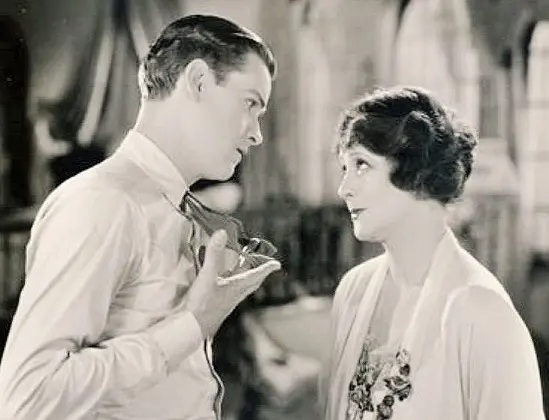
In this work, James Flood explores the intersection of Drama and United States cultural identity. The meticulous attention to detail suggests a deep-seated commitment to pushing the boundaries of the medium, ensuring that The Wife Who Wasn't Wanted remains a relevant topic of study for Drama enthusiasts.
| Cinematography | Static |
| Soundtrack | Minimalist |
| Editing | Slow-Burn |
| Art Direction | Brutalist |
Visualizing the convergence of James Flood's style and the core Drama narrative.
The son of the district attorney, Bob Mannering, is a passenger in a car that is involved in a fatal accident, and he assumes the blame for it in order to protect Diane Graham. John Mannering, Bob's father, refuses to intervene on his son's behalf, and Bob's mother, frantic with worry as she sees her son led off to prison, arranges with Jerome Wallace, a candidate for her husband's position, to create a scandal that will prevent her husband's reelection. Mannering finds his wife with Wallace, and they separate. At a country hotel, Diane admits her responsibility for the accident to Mrs. Mannering, and, after narrowly escaping death in a forest fire and a flood, the women return to the city. Diane confesses to the police, Bob is freed, and the Mannerings are reconciled.
Decades after its release, The Wife Who Wasn't Wanted remains a vital piece of the cinematic puzzle. Its influence can be seen in countless modern works, solidifying James Flood's status as a master of the craft in United States and beyond.