
DbcultAccessing Vault...
Director's Spotlight
Senior Film Conservator
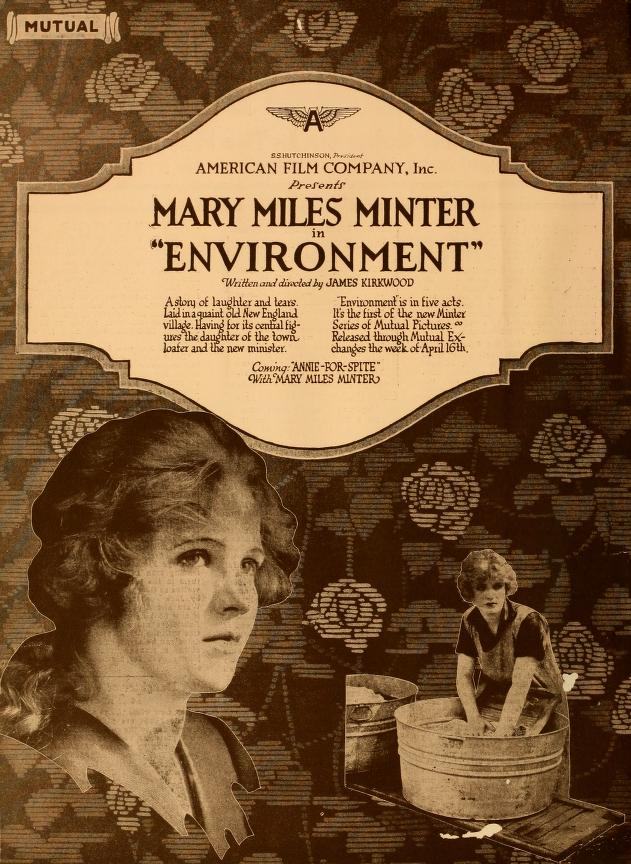
Director's Spotlight: United States
A Deep Dive into the 1917 Vision of James Kirkwood
Analyzing Environment (1917) requires a deep dive into the unique directorial voice that James Kirkwood brought to the screen. By challenging the status quo of 1917 cinema, it continues to spark endless debates among critics and cinephiles alike.
In Environment, James Kirkwood pushes the boundaries of conventional narrative. The film's unique approach to its subject matter has sparked endless debates and interpretations among cinephiles and critics alike.
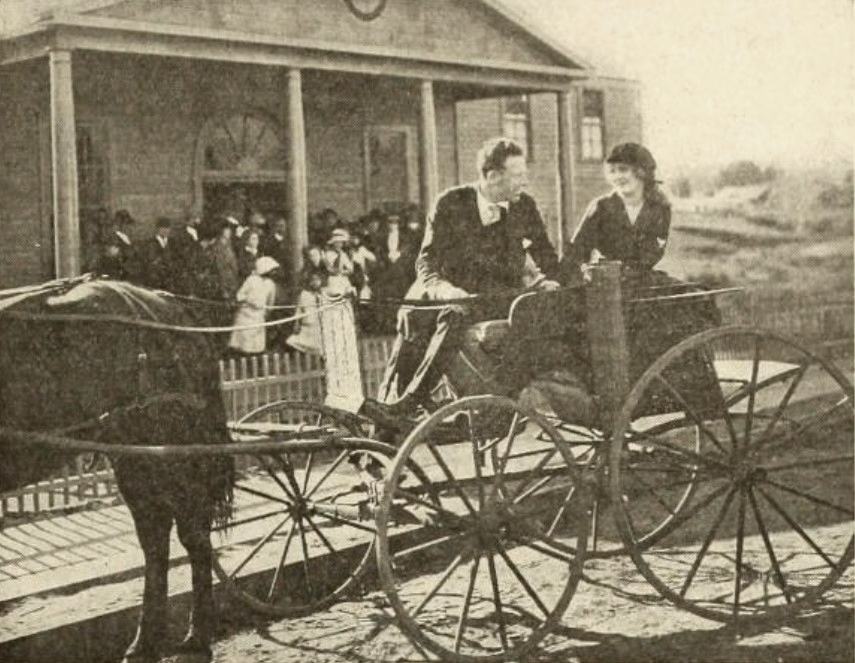
To fully appreciate Environment, one must consider the cinematic climate of 1917. During this period, United States was undergoing significant artistic shifts, and James Kirkwood was at the forefront of this cult movement, often challenging established norms.
| Cinematography | Noir-Inspired |
| Soundtrack | Orchestral |
| Editing | Invisible |
| Art Direction | Kitsch |
Visualizing the convergence of James Kirkwood's style and the core cult narrative.
Liz and her alcoholic father are rejected by the young people in the staid little New England village where they live. One day, Henry Penfield, the new minister, comes to town and is attracted to Liz. On the same train as Henry is Arnold Brice, a young artist who takes a fancy to Mildred Holcombe, the prettiest girl in town and the daughter of a deacon of the church. Mildred falls in love with Arnold, but her brother Arthur threatens to kill the artist if he finds them together. Ignoring Arthur's threats, Mildred goes to the artist's studio. Liz discovers that Arthur has followed her and runs to the studio to warn them. When Arthur arrives, Liz sacrifices her honor to save Mildred and confesses that she was having an affair with Arnold. The deacons then decide to send Liz away because of her disgrace, and Henry, overhearing Liz bid goodbye to Mildred, discovers the truth. That Sunday, he tenders his resignation and announces that he is going to marry Liz.
Decades after its release, Environment remains a vital piece of the cinematic puzzle. Its influence can be seen in countless modern works, solidifying James Kirkwood's status as a master of the craft in United States and beyond.