
DbcultAccessing Vault...
Director's Spotlight
Senior Film Conservator
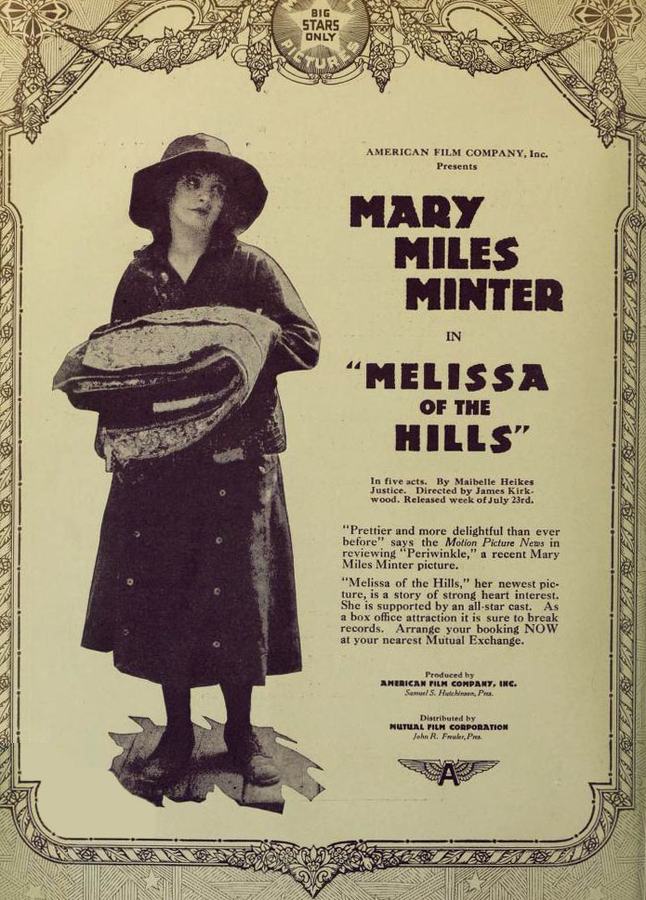
Director's Spotlight: United States
A Deep Dive into the 1917 Vision of James Kirkwood
The artistic breakthrough represented by Melissa of the Hills in 1917 highlights the philosophical inquiries that James Kirkwood embeds within the narrative. Framed by the hauntingly beautiful landscapes of the production, it leaves an indelible mark on the soul of the viewer.
In Melissa of the Hills, James Kirkwood pushes the boundaries of conventional narrative. The film's unique approach to its subject matter has sparked endless debates and interpretations among cinephiles and critics alike.
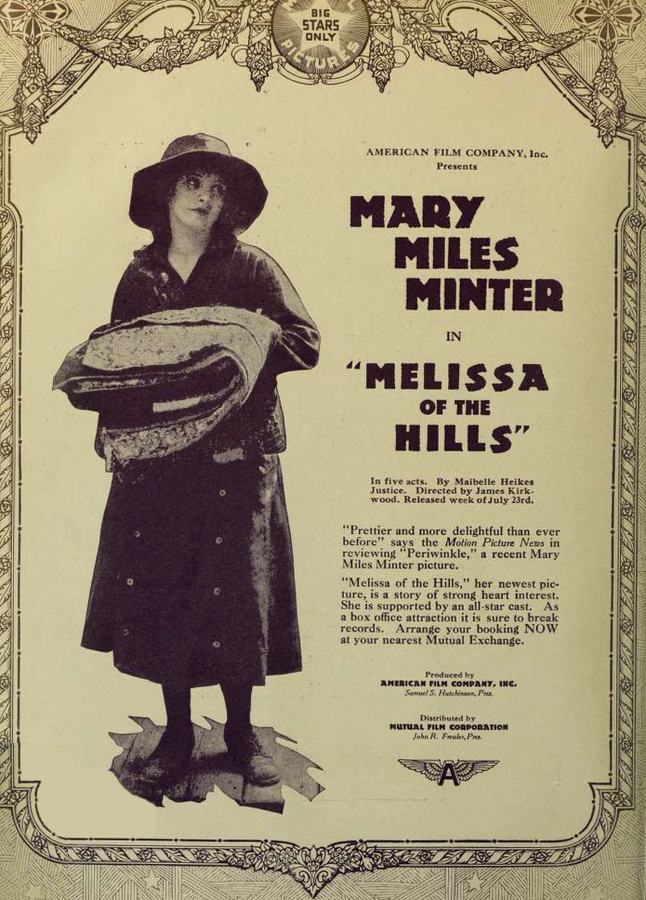
In this work, James Kirkwood explores the intersection of cult and United States cultural identity. The meticulous attention to detail suggests a deep-seated commitment to pushing the boundaries of the medium, ensuring that Melissa of the Hills remains a relevant topic of study for cult enthusiasts.
| Cinematography | High-Contrast |
| Soundtrack | Diegetic |
| Editing | Elliptical |
| Art Direction | Expressionist |
Visualizing the convergence of James Kirkwood's style and the core cult narrative.
In the Tennessee hills, the feuding Allison and Watts families pay no heed to the preachings and sacrifices of Jethro Stark, a self-styled evangelist whose motherless daughter Melissa dispels quarrels among children of the feuding families, takes care of her father, and invents money-making schemes to relieve their poverty. While struggling young lawyer Tom Williams and Melissa are in love, she is loved by miserly octogenarian Cyrus Kimball, whose crabbiness Melissa dissipates. When Melissa reads in the newspaper that society lady Mrs. Sanders has offered to give clothes to a deserving girl, she writes a letter requesting a party dress for herself and a new coat for Jethro for the annual revival meeting. Mrs. Sanders visits and her husband recognizes Jethro as a fugitive wanted for murder. When deputy sheriff Sam Allison goes to arrest Jethro, Melissa gets help from the Watts faction, and a battle ensues. After Jethro is killed trying to stop the fighting, his innocence is confirmed, and the feuding families reconcile. Melissa thanks God that Jethro never knew that he was under suspicion.
Decades after its release, Melissa of the Hills remains a vital piece of the cinematic puzzle. Its influence can be seen in countless modern works, solidifying James Kirkwood's status as a master of the craft in United States and beyond.