
DbcultAccessing Vault...
Director's Spotlight
Senior Film Conservator
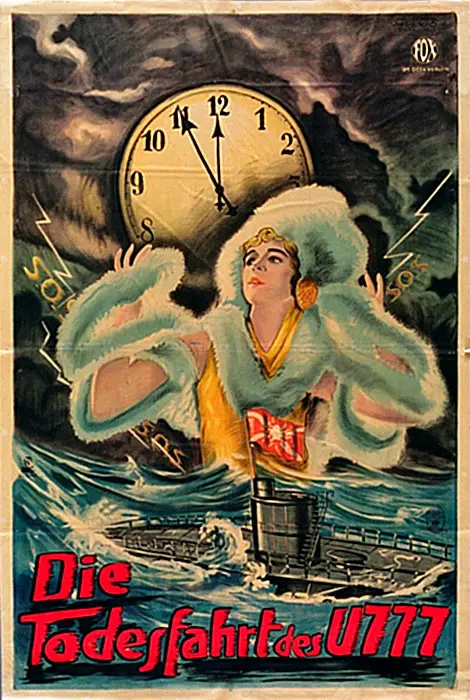
Director's Spotlight: United States
A Deep Dive into the 1925 Vision of James P. Hogan
The evocative power of S.O.S. Perils of the Sea stems from the unique collaboration between the subversive storytelling techniques employed by James P. Hogan in 1925. Synthesizing the best elements of United States and international cinema, it reminds us of the fragility and beauty of the 1925s.
In S.O.S. Perils of the Sea, James P. Hogan pushes the boundaries of conventional narrative. The film's unique approach to its subject matter has sparked endless debates and interpretations among cinephiles and critics alike.
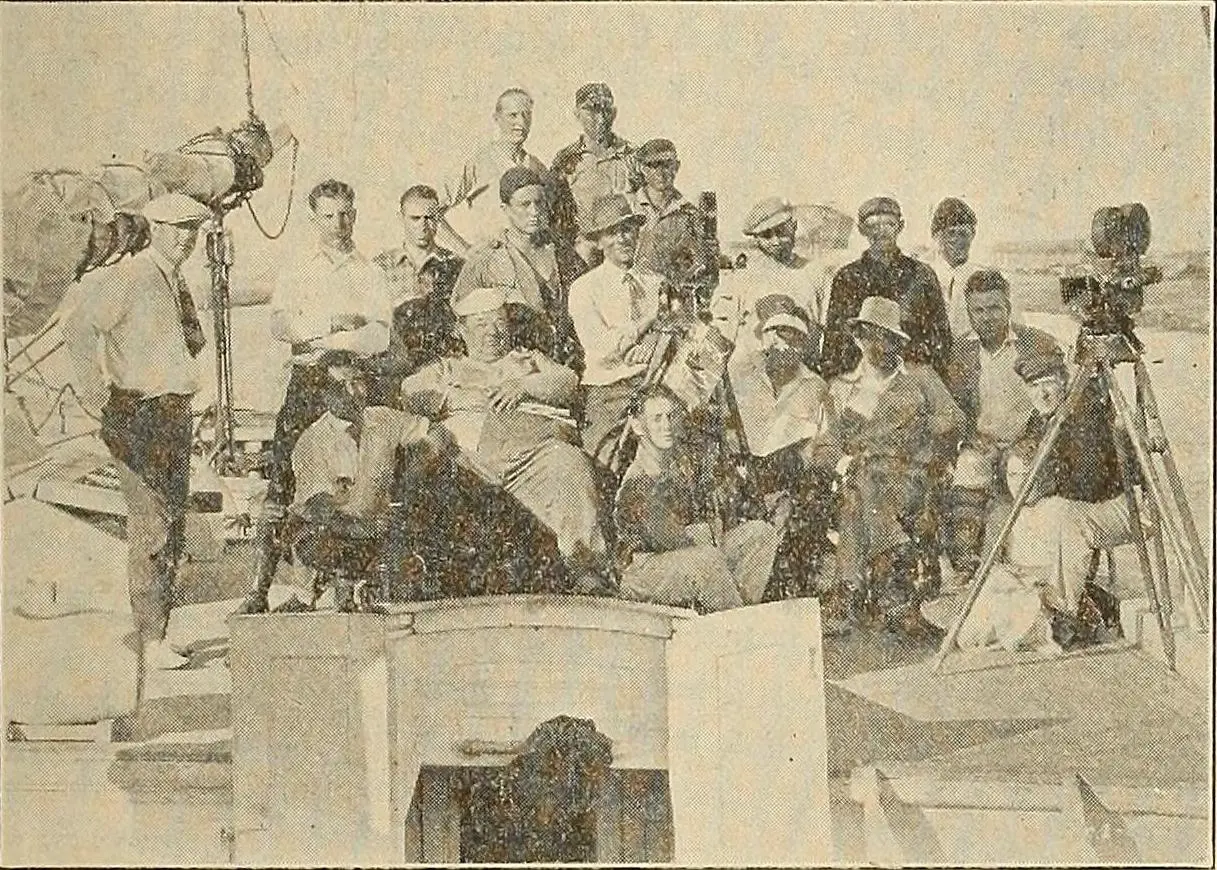
In this work, James P. Hogan explores the intersection of Adventure and United States cultural identity. The meticulous attention to detail suggests a deep-seated commitment to pushing the boundaries of the medium, ensuring that S.O.S. Perils of the Sea remains a relevant topic of study for Adventure enthusiasts.
| Cinematography | Deep Focus |
| Soundtrack | Diegetic |
| Editing | Elliptical |
| Art Direction | Expressionist |
Visualizing the convergence of James P. Hogan's style and the core Adventure narrative.
Madame La Coeur and her little daughter, Rose, sail for America aboard a tramp steamer not knowing that Rose's father has died and left a fortune that if not claimed within 10 years will go to charity. The boat is torpedoed, and Madame La Coeur loses her life; but Rose is saved by fishermen Ralph and Jim Seldon, who are brothers. Nine years pass. Ralph and Rose grow fond of each other, but Jim, who also loves Rose, tries to break up their friendship. Jim learns of the inheritance and plots to marry Rose. Circumstances bring the three together on the same ocean liner, where Ralph is an officer. The ship catches fire and sinks after a collision at sea. Jim drowns, and Ralph and Rose are among the few survivors. Rose claims her fortune and marries Ralph.
Decades after its release, S.O.S. Perils of the Sea remains a vital piece of the cinematic puzzle. Its influence can be seen in countless modern works, solidifying James P. Hogan's status as a master of the craft in United States and beyond.