
DbcultAccessing Vault...
Director's Spotlight
Senior Film Conservator
Director's Spotlight: United States
A Deep Dive into the 1925 Vision of James P. Hogan
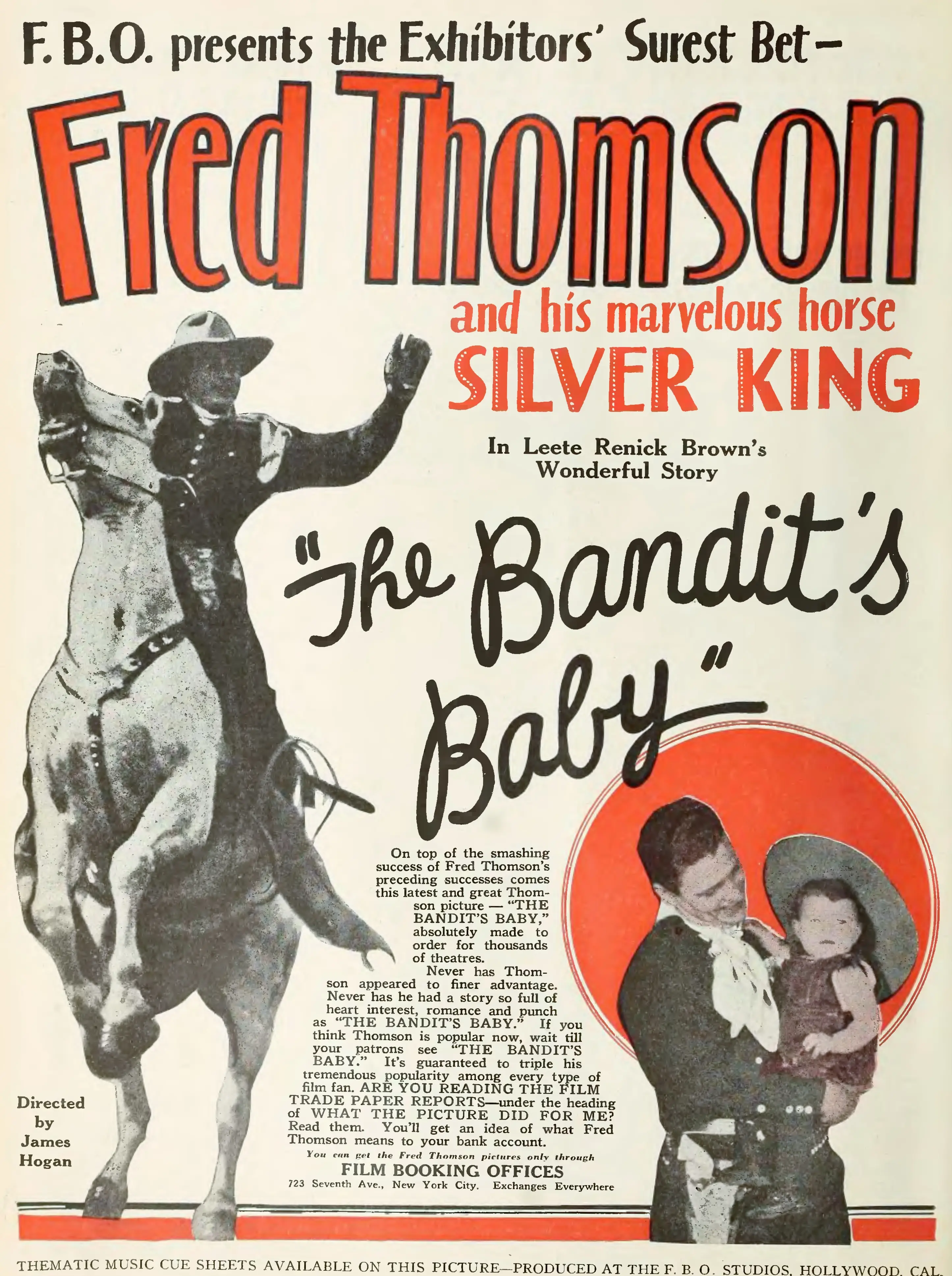
Deciphering the layers of The Bandit's Baby (1925) reveals a monumental shift in Western filmmaking spearheaded by James P. Hogan. With its avant-garde structure and atmospheric tension, offering layers of thematic complexity that demand repeated viewing.
In The Bandit's Baby, James P. Hogan pushes the boundaries of conventional narrative. The film's unique approach to its subject matter has sparked endless debates and interpretations among cinephiles and critics alike.
While deeply rooted in United States, The Bandit's Baby has achieved a global reach, influencing directors from various backgrounds. Its ability to translate Western tropes into a universal cinematic language is why it remains a cult staple decades after its 1925 release.
| Cinematography | High-Contrast |
| Soundtrack | Minimalist |
| Editing | Disjunctive |
| Art Direction | Baroque |
Visualizing the convergence of James P. Hogan's style and the core Western narrative.
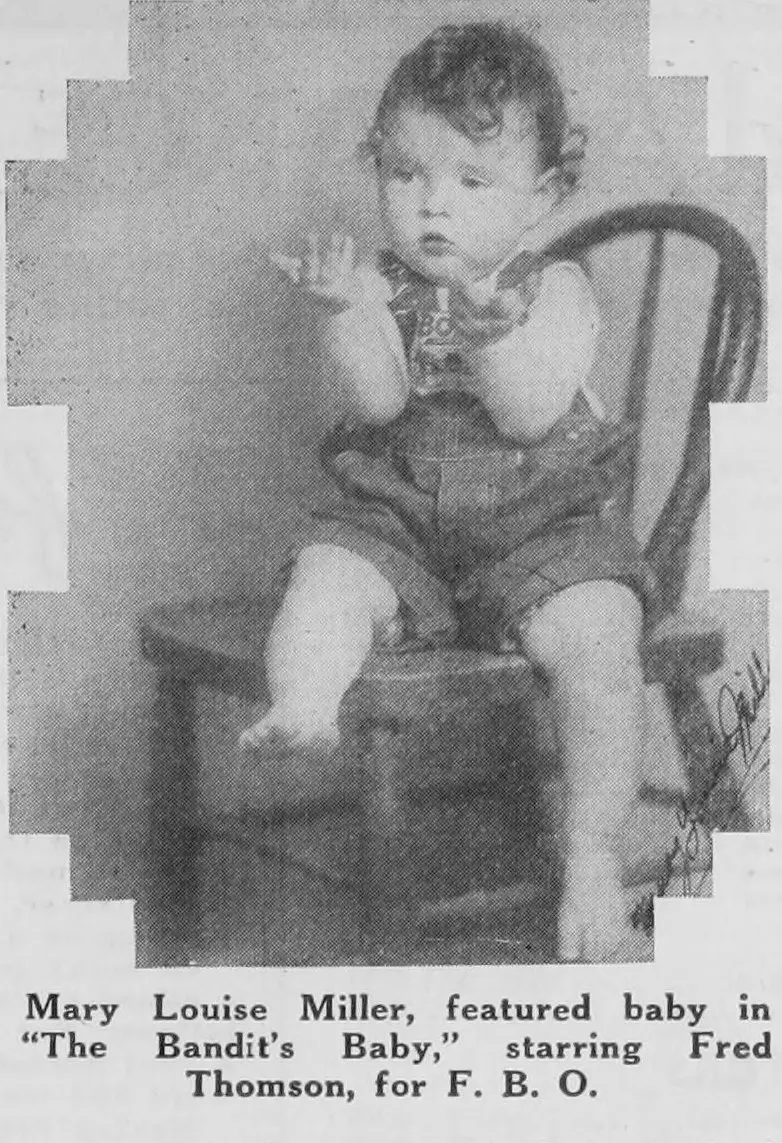
Tom Bailey is forced to hide in the hills when he is unjustly accused of robbery and murder. He is, however, granted amnesty for a day in order to participate in a rodeo and judge a baby contest. Tom awards the prize to the baby brother of Esther Lacy, whose drunken stepfather, Matt Hartigan, is the real murderer. Later in the day, Tom wins a horse race and eludes the trap set for him by the sheriff. Esther visits her brother in Carson City, Nevada, leaving Tom to care for the baby. Matt determines when Esther and her brother are expected to return, and attempts to wreck the train by running an unscheduled freight on the main line. An alert station agent switches the freight onto a siding, preventing a crash; the freight then derails and kills Matt. Esther's brother proves that his late stepfather actually committed the crimes for which Tom has been accused, clearing the way for Tom to find happiness with Esther.
Decades after its release, The Bandit's Baby remains a vital piece of the cinematic puzzle. Its influence can be seen in countless modern works, solidifying James P. Hogan's status as a master of the craft in United States and beyond.