
DbcultAccessing Vault...
Director's Spotlight
Senior Film Conservator
Director's Spotlight: United States
A Deep Dive into the 1926 Vision of James P. Hogan
The Drama DNA of The King of the Turf is a reflection of United States's the historical context that James P. Hogan weaves into the Drama fabric. Challenging the viewer to find meaning in the Drama shadows, it transcends regional boundaries to tell a universal story.
In The King of the Turf, James P. Hogan pushes the boundaries of conventional narrative. The film's unique approach to its subject matter has sparked endless debates and interpretations among cinephiles and critics alike.
| Cinematography | Static |
| Soundtrack | Experimental |
| Editing | Invisible |
| Art Direction | Kitsch |
Visualizing the convergence of James P. Hogan's style and the core Drama narrative.
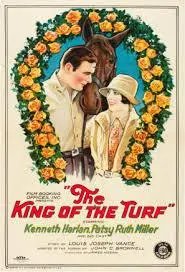
Genteel southern horse-breeder Col. Richard Fairfax is framed on the charge of embezzlement by Martyn Selsby, his business partner, and sentenced to jail. Selsby soon dies of apoplexy, first dictating a confession to exonerate Fairfax; Selsby's wife is afraid of scandal, however, and places the confession in a wall safe. Time passes. The colonel serves out his sentence and returns home in the company of four friends he has made in prison: John Doe Smit, Red Kelly, Soup Conley, and Dude Morlanti. Selsby's son, Tom, who is infatuated with the colonel's daughter, Kate, offers to give her his father's confession if she will marry him. Smith overhears this remark and with the help of his former cellmates recovers the confession. The colonel's name is cleared, and his horse, entered in an important race, wins a gold cup. Kate and John Doe get along just fine.
Decades after its release, The King of the Turf remains a vital piece of the cinematic puzzle. Its influence can be seen in countless modern works, solidifying James P. Hogan's status as a master of the craft in United States and beyond.