
DbcultAccessing Vault...
Director's Spotlight
Senior Film Conservator
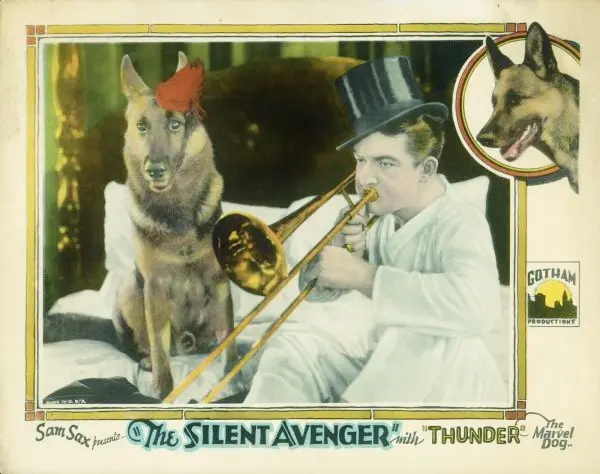
Director's Spotlight: United States
A Deep Dive into the 1927 Vision of James P. Hogan
To understand the modern evolution of United States film, one must first look at The Silent Avenger and the meticulous attention to detail that James P. Hogan applied to every frame. Reflecting the political and social shifts of the 1927s, it showcases the power of Adventure as a tool for social commentary.
In The Silent Avenger, James P. Hogan pushes the boundaries of conventional narrative. The film's unique approach to its subject matter has sparked endless debates and interpretations among cinephiles and critics alike.
To fully appreciate The Silent Avenger, one must consider the cinematic climate of 1927. During this period, United States was undergoing significant artistic shifts, and James P. Hogan was at the forefront of this Adventure movement, often challenging established norms.
| Cinematography | Noir-Inspired |
| Soundtrack | Synth-Heavy |
| Editing | Rhythmic |
| Art Direction | Naturalist |
Visualizing the convergence of James P. Hogan's style and the core Adventure narrative.
Stanley Gilmore, the son of a railroad president, atones for a series of wild escapades by traveling to Tennessee to secure a right-of-way through the property of farmer Dave Wade. Accompanied by his dog, Thunder, Stanley meets with Dave and initiates a friendship with the farmer's daughter, Patsy. Stanley's arrival is noted by Joe Sneed, a henchman of Bill Garton, engineer for a rival railroad. When the dog thwarts Bill's attempt to steal important documents from Stanley, the engineer informs the corrupt sheriff. Later, Thunder battles a bear in defense of Little Bud Wade, then saves the boy from drowning at the hands of Joe and the sheriff. While sending his father a telegram, Stanley is kidnapped, but Thunder rescues his master, flags down a train, and drives the villains to their death. Stanley finds happiness with Patsy, and his father acquires the right-of-way.
Decades after its release, The Silent Avenger remains a vital piece of the cinematic puzzle. Its influence can be seen in countless modern works, solidifying James P. Hogan's status as a master of the craft in United States and beyond.