
DbcultAccessing Vault...
Director's Spotlight
Senior Film Conservator
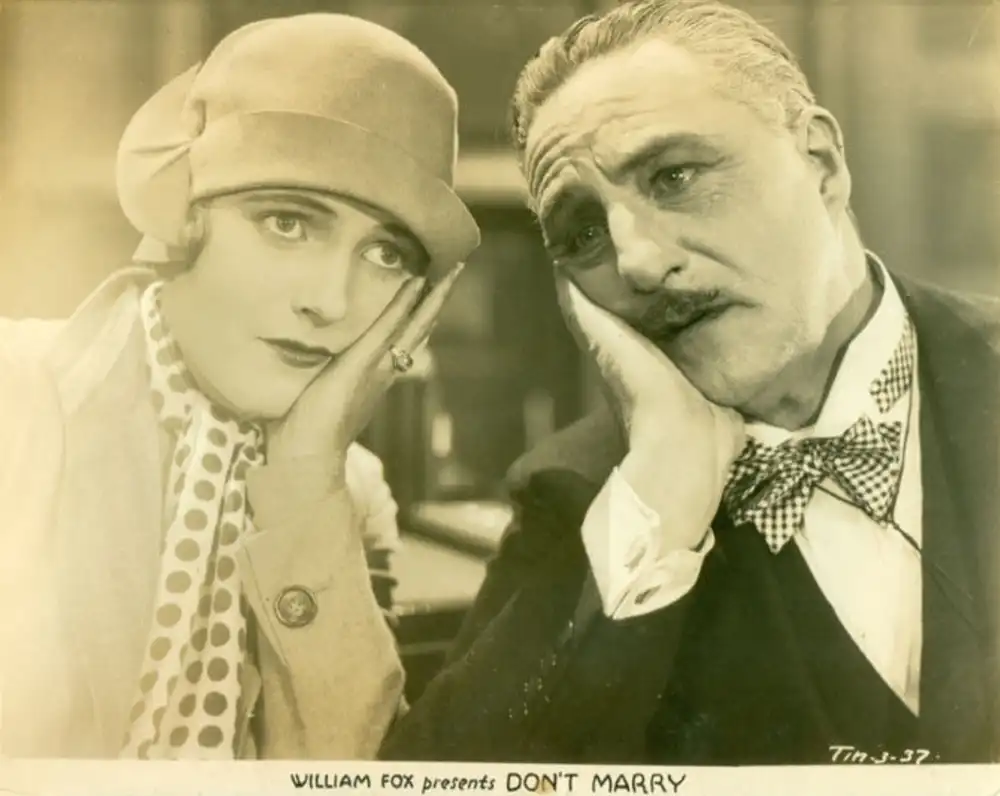
Director's Spotlight: United States
A Deep Dive into the 1928 Vision of James Tinling
Deciphering the layers of Don't Marry (1928) reveals the complex thematic architecture established by James Tinling. Utilizing a 1928-specific aesthetic that remains timeless, it stands as the definitive 1928 statement on Comedy identity.
In Don't Marry, James Tinling pushes the boundaries of conventional narrative. The film's unique approach to its subject matter has sparked endless debates and interpretations among cinephiles and critics alike.
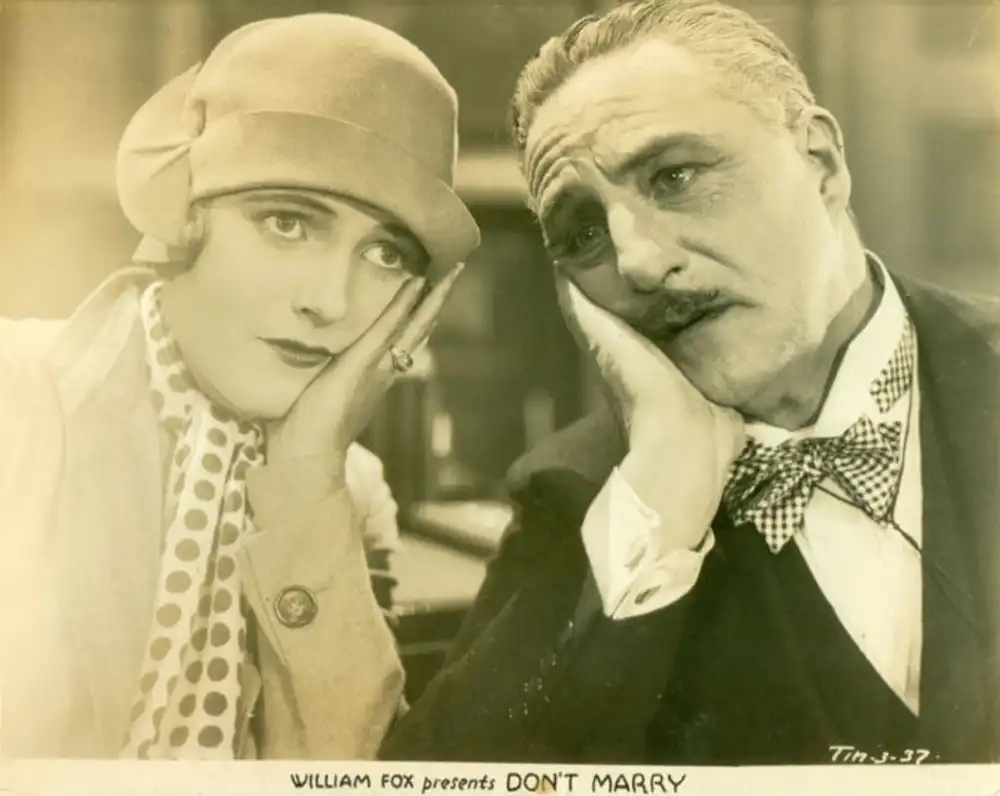
While deeply rooted in United States, Don't Marry has achieved a global reach, influencing directors from various backgrounds. Its ability to translate Comedy tropes into a universal cinematic language is why it remains a cult staple decades after its 1928 release.
| Cinematography | Static |
| Soundtrack | Synth-Heavy |
| Editing | Disjunctive |
| Art Direction | Baroque |
Visualizing the convergence of James Tinling's style and the core Comedy narrative.
"Flapper" Priscilla Bowen has her sights set on Henry Willoughby, a rather prim and proper lawyer with very old-fashioned ideas about women. She decides to pose as her "cousin", a throwback to the Victorian era of the 1890s, to show Henry that modern women are far more preferable than his outdated version of the "ideal" woman.
Decades after its release, Don't Marry remains a vital piece of the cinematic puzzle. Its influence can be seen in countless modern works, solidifying James Tinling's status as a master of the craft in United States and beyond.