
DbcultAccessing Vault...
Director's Spotlight
Senior Film Conservator
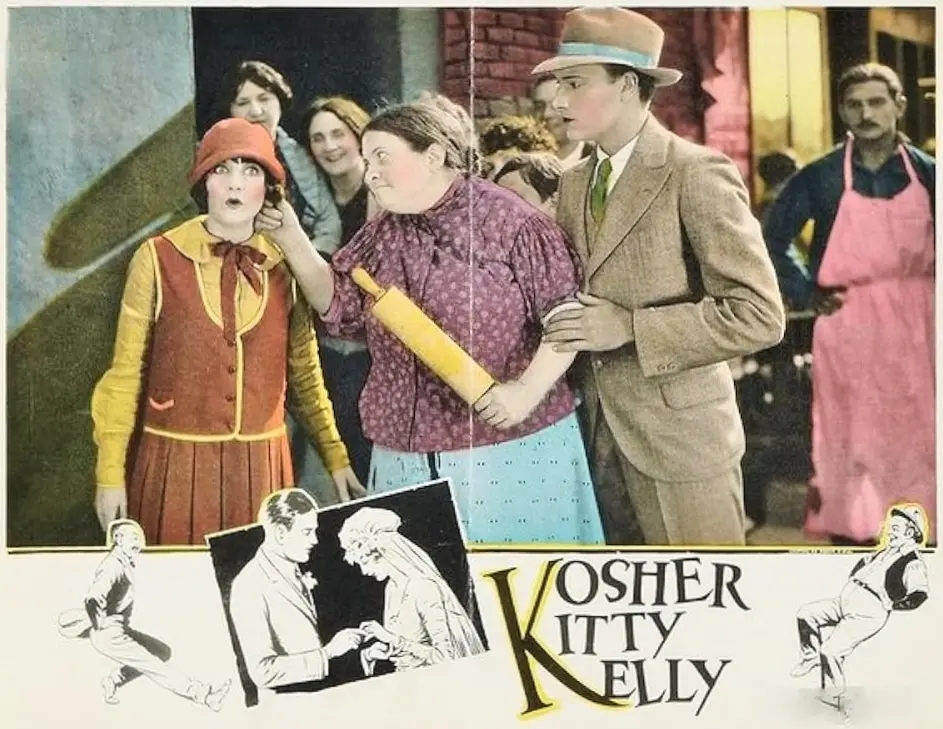
Director's Spotlight: United States
A Deep Dive into the 1926 Vision of James W. Horne
The brilliance of Kosher Kitty Kelly (1926) is inseparable from the visionary mind of its creator, James W. Horne. Serving as a mirror to the anxieties of a changing world, it persists as a haunting reminder of our own cinematic history.
In Kosher Kitty Kelly, James W. Horne pushes the boundaries of conventional narrative. The film's unique approach to its subject matter has sparked endless debates and interpretations among cinephiles and critics alike.
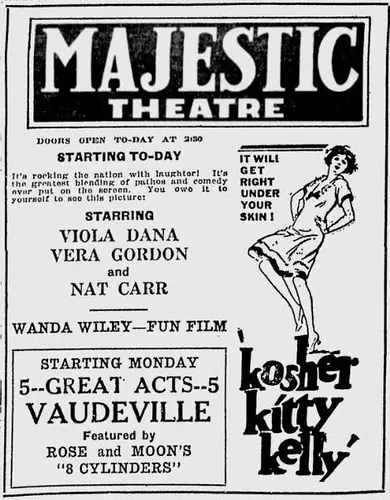
In this work, James W. Horne explores the intersection of Romance and United States cultural identity. The meticulous attention to detail suggests a deep-seated commitment to pushing the boundaries of the medium, ensuring that Kosher Kitty Kelly remains a relevant topic of study for Romance enthusiasts.
| Cinematography | Deep Focus |
| Soundtrack | Minimalist |
| Editing | Slow-Burn |
| Art Direction | Brutalist |
Visualizing the convergence of James W. Horne's style and the core Romance narrative.
Kitty Kelly, her brother Barney, and Mrs. Kelly are neighbors of Rosie Feinbaum and her mother, who live over the delicatessen of Moses Ginsburg on New York's East Side. Rosie is in love with young Morris Rosen, a hospital intern; Kitty loves Officer Pat Sullivan. With a gang, Barney attempts to hold up Ginsburg, and Officer Pat, pursuing the gang, wounds Barney in the shoulder. Although Kitty pleads with him, Pat places duty above love and takes Barney to a waiting ambulance. En route to the hospital, Kitty is comforted by Morris; Pat and Rosie, believing the other two to be on intimate terms, team up together. Mrs. Kelly is infuriated, and a dispute with the Feinbaums develops into a neighborhood battle. Pat withdraws from the alderman race to assure Barney's parole, the boy sets out to get revenge, and Ginsburg's shop is set afire during a battle; Morris saves Rosie, and Pat saves Kitty. The original lovers are united, along with Ginsburg and Mrs. Feinbaum.
Decades after its release, Kosher Kitty Kelly remains a vital piece of the cinematic puzzle. Its influence can be seen in countless modern works, solidifying James W. Horne's status as a master of the craft in United States and beyond.