
DbcultAccessing Vault...
Director's Spotlight
Senior Film Conservator
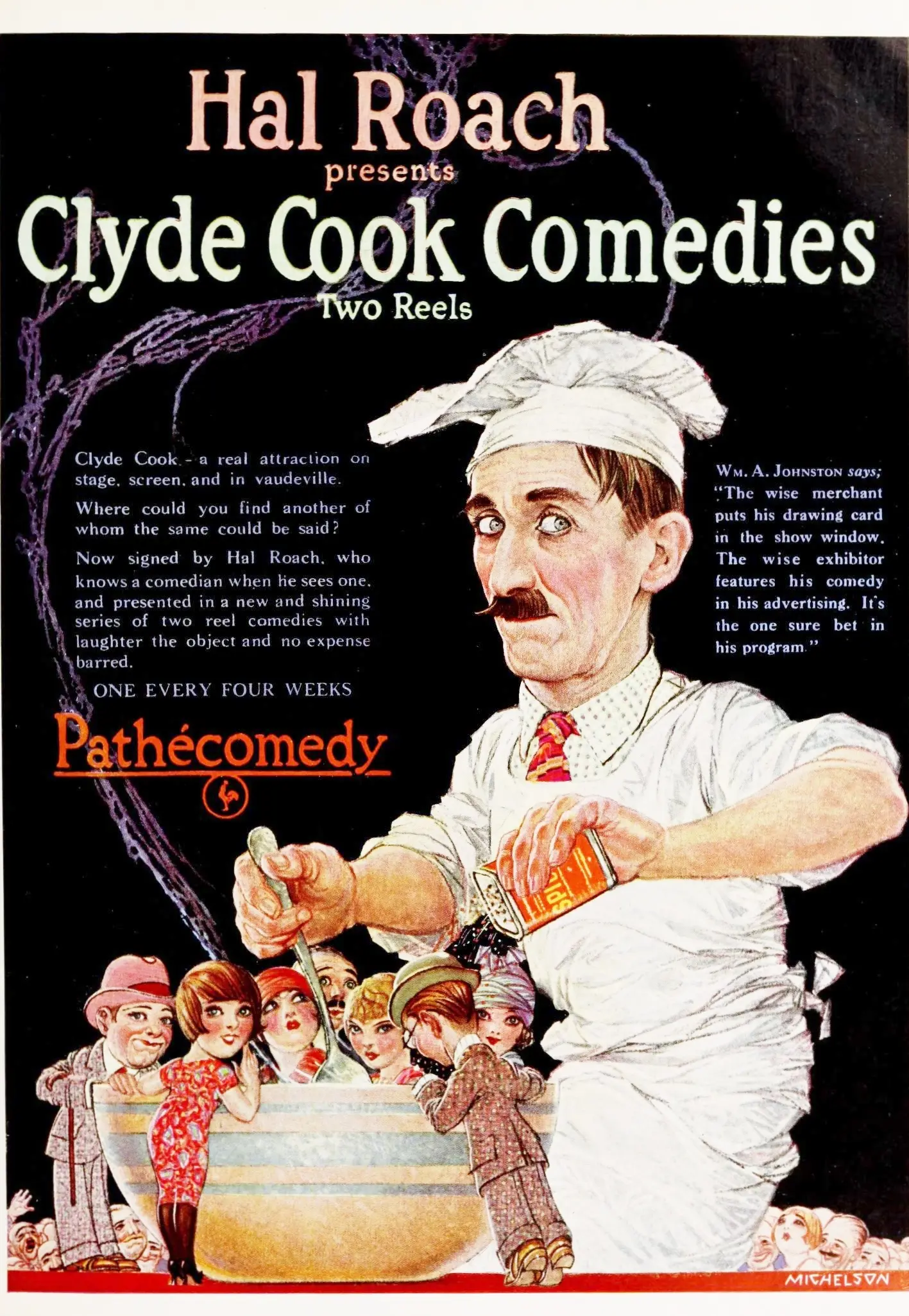
Director's Spotlight: United States
A Deep Dive into the 1926 Vision of James W. Horne
Under the meticulous guidance of James W. Horne, Scared Stiff became the cultural zeitgeist captured so perfectly by James W. Horne in 1926. Driven by an uncompromising commitment to Short excellence, it remains a vital reference point for anyone studying the evolution of James W. Horne.
In Scared Stiff, James W. Horne pushes the boundaries of conventional narrative. The film's unique approach to its subject matter has sparked endless debates and interpretations among cinephiles and critics alike.
While deeply rooted in United States, Scared Stiff has achieved a global reach, influencing directors from various backgrounds. Its ability to translate Short tropes into a universal cinematic language is why it remains a cult staple decades after its 1926 release.
| Cinematography | High-Contrast |
| Soundtrack | Orchestral |
| Editing | Slow-Burn |
| Art Direction | Brutalist |
Visualizing the convergence of James W. Horne's style and the core Short narrative.
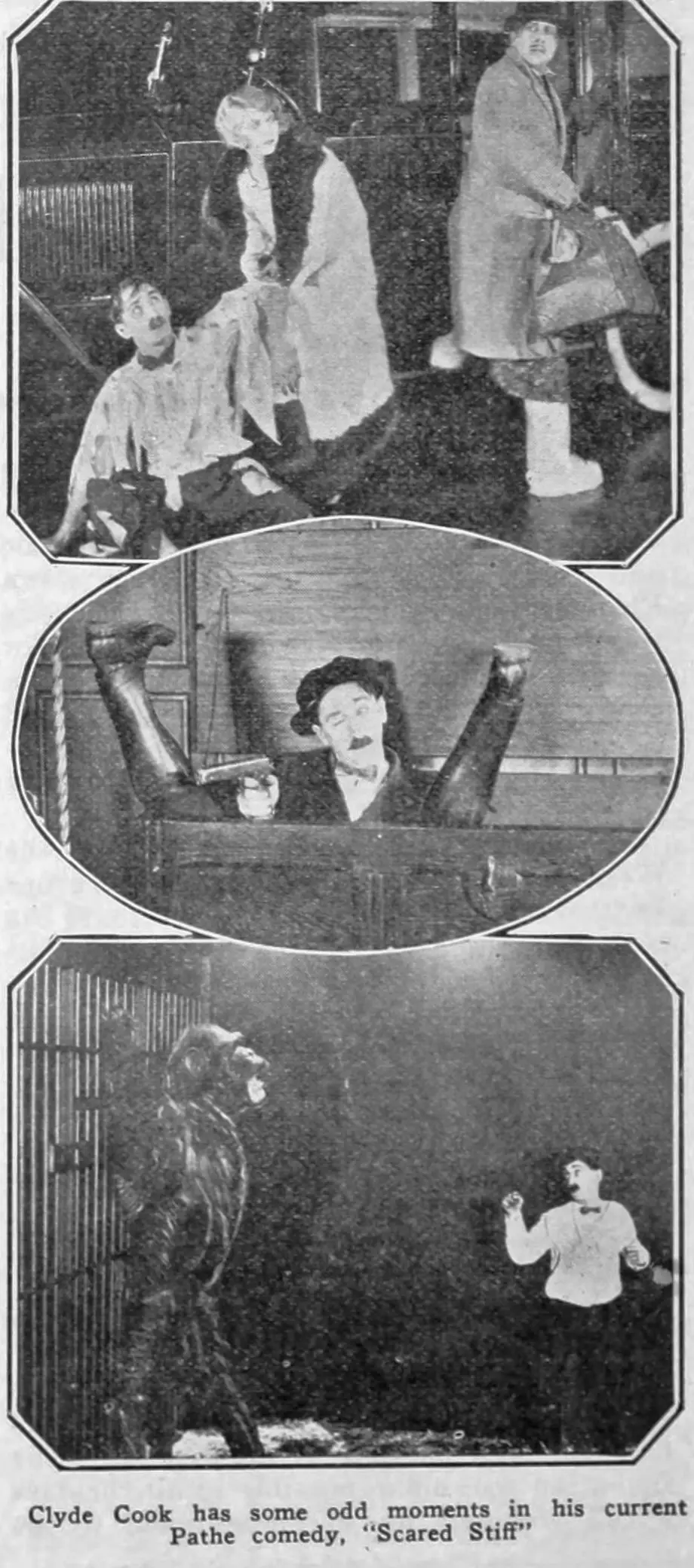
Chauffeur Clyde Cook is hired by antagonist Stuart Holmes to transport him so he may elope with Eileen Percy, whom Clyde is also in love with. Clyde purposefully loses his way in a blinding rainstorm, and the trio seek refuge in the nearest house, wherein lives a scientist (James Mack), his daughter (Shirley Palmer), and a huge gorilla under the scientist's care. Thrills and frights ensue during the night, when the beast escapes from its cage.
Decades after its release, Scared Stiff remains a vital piece of the cinematic puzzle. Its influence can be seen in countless modern works, solidifying James W. Horne's status as a master of the craft in United States and beyond.