
DbcultAccessing Vault...
Director's Spotlight
Senior Film Conservator
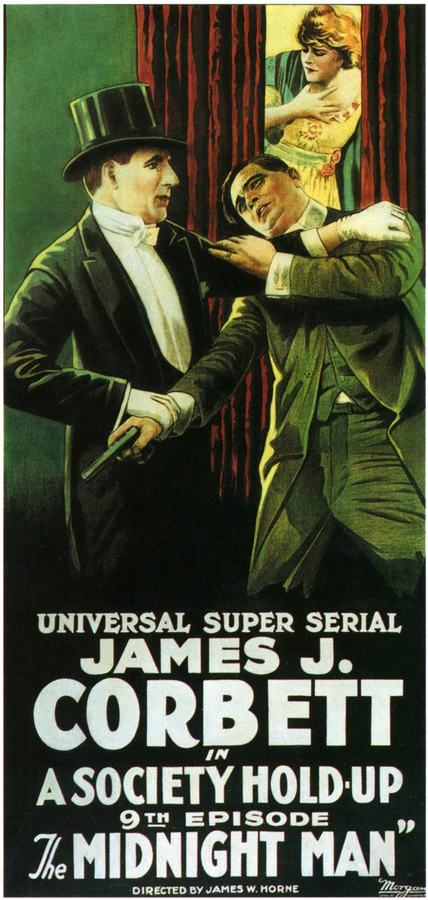
Director's Spotlight: United States
A Deep Dive into the 1919 Vision of James W. Horne
The brilliance of The Midnight Man (1919) is inseparable from the visionary mind of its creator, James W. Horne. Serving as a mirror to the anxieties of a changing world, it persists as a haunting reminder of our own cinematic history.
In The Midnight Man, James W. Horne pushes the boundaries of conventional narrative. The film's unique approach to its subject matter has sparked endless debates and interpretations among cinephiles and critics alike.
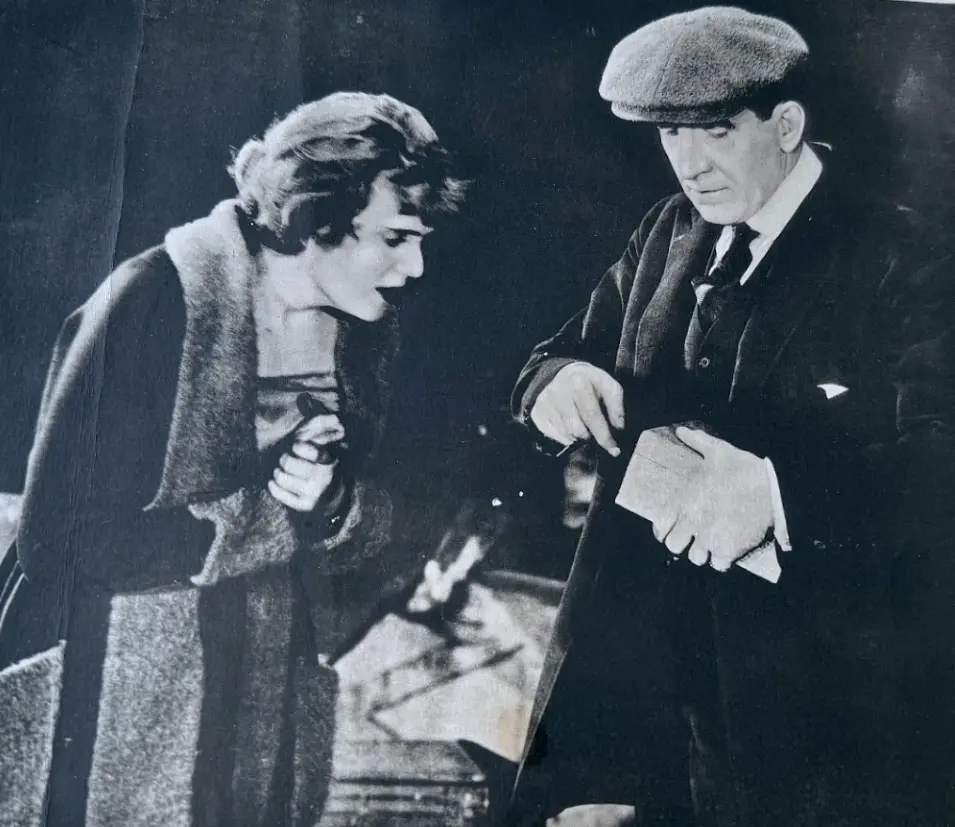
The visual language of The Midnight Man is defined by its use of shadows and framing, a hallmark of James W. Horne's style. By utilizing a 1919-era palette, the film creates an immersive experience that perfectly complements its cult themes.
| Cinematography | Handheld |
| Soundtrack | Diegetic |
| Editing | Rhythmic |
| Art Direction | Naturalist |
Visualizing the convergence of James W. Horne's style and the core cult narrative.
Young clubman Bob Gilmore is called by telephone to his home, where his parents are giving him a birthday party. He overhears one of the male guests make a slurring remark about his mother's appearance, and punishes him right there, throwing the entire gathering into an uproar. Later in the evening he assumes guilt for a check which had actually forged by his foster father, in order to save the mother's feelings, but obtains a written confession from the guilty man for future use if necessary. Learning that he had been adopted from a foundling asylum in infancy, Bob decides to go to New York to see if he cannot learn his real name, which he understands begins with "Mor." He disguises himself and enters many homes, attired in evening clothes, and is soon known to the police as "The Midnight Man." In the meantime he has come into contact with members of the White Circle gang, and has many close physical encounters with them.
Decades after its release, The Midnight Man remains a vital piece of the cinematic puzzle. Its influence can be seen in countless modern works, solidifying James W. Horne's status as a master of the craft in United States and beyond.