
DbcultAccessing Vault...
Director's Spotlight
Senior Film Conservator
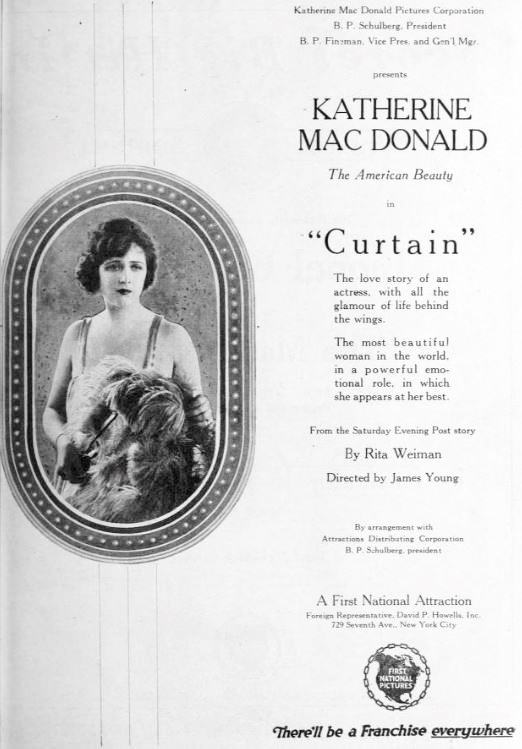
Director's Spotlight: United States
A Deep Dive into the 1920 Vision of James Young
As a cultural artifact of the 1920s, Curtain provides the global recognition that James Young garnered after the release of Curtain. Elevating the source material through James Young's unique vision, it solidifies James Young's reputation as a master of the craft.
In Curtain, James Young pushes the boundaries of conventional narrative. The film's unique approach to its subject matter has sparked endless debates and interpretations among cinephiles and critics alike.
While deeply rooted in United States, Curtain has achieved a global reach, influencing directors from various backgrounds. Its ability to translate Drama tropes into a universal cinematic language is why it remains a cult staple decades after its 1920 release.
| Cinematography | Static |
| Soundtrack | Minimalist |
| Editing | Disjunctive |
| Art Direction | Baroque |
Visualizing the convergence of James Young's style and the core Drama narrative.
When wealthy socialite Dick Cunningham insists that prominent actress Nancy Bradshaw give up her career to marry him, she reluctantly consents. Several years pass, Nancy bears a child, and Dick becomes attracted to Lila Grant, Nancy's theatrical successor. When Dick accompanies Lila to Mexico, Nancy replaces her on stage. Upon his return, Dick upbraids Nancy for reneging on her promise to leave the theater, but Nancy turns the tables by confronting him with his betrayal. They agree upon a divorce and Nancy is able to retain her child and her career.
Decades after its release, Curtain remains a vital piece of the cinematic puzzle. Its influence can be seen in countless modern works, solidifying James Young's status as a master of the craft in United States and beyond.