
DbcultAccessing Vault...
Director's Spotlight
Senior Film Conservator
Director's Spotlight: United States
A Deep Dive into the 1918 Vision of James Young
Exploring the cult underpinnings of Rose o' Paradise leads us to the stylistic boundaries pushed by James Young during the production. Through a lens of existential fatalism and cult tropes, it continues to spark endless debates among critics and cinephiles alike.
In Rose o' Paradise, James Young pushes the boundaries of conventional narrative. The film's unique approach to its subject matter has sparked endless debates and interpretations among cinephiles and critics alike.
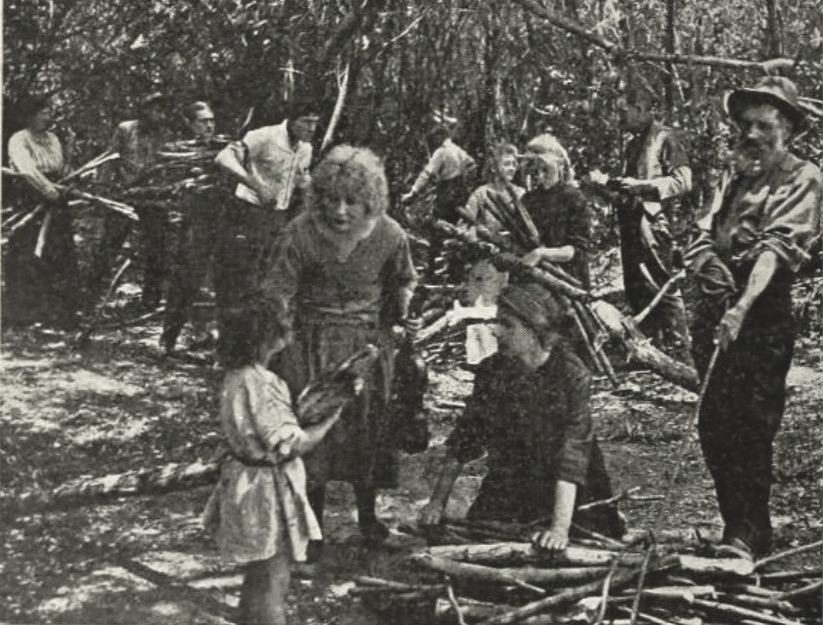
While deeply rooted in United States, Rose o' Paradise has achieved a global reach, influencing directors from various backgrounds. Its ability to translate cult tropes into a universal cinematic language is why it remains a cult staple decades after its 1918 release.
| Cinematography | Static |
| Soundtrack | Synth-Heavy |
| Editing | Disjunctive |
| Art Direction | Baroque |
Visualizing the convergence of James Young's style and the core cult narrative.
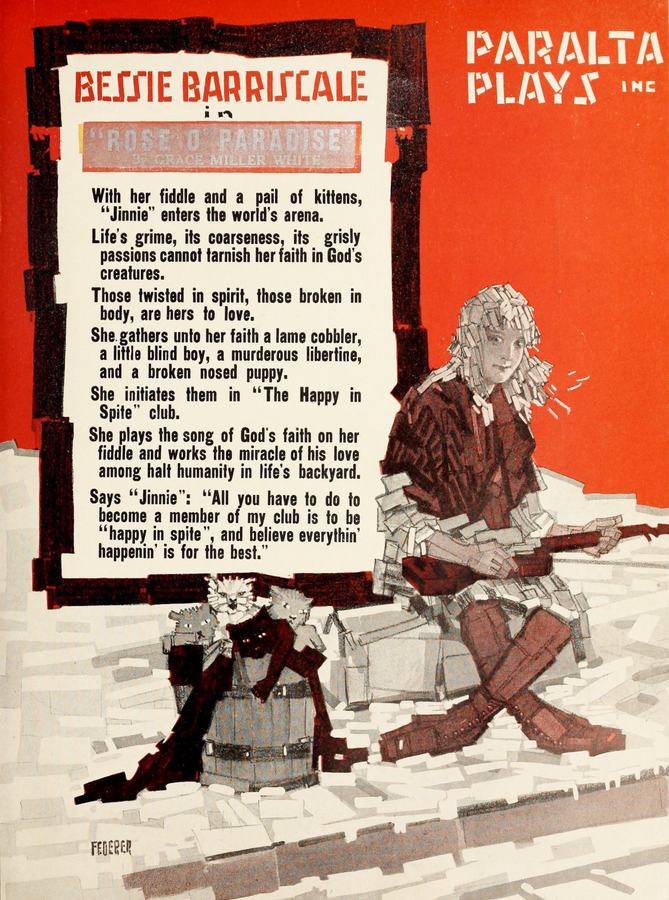
After his wife's death, Thomas Singleton suffers a temporary breakdown and is committed to an asylum by his scheming half brother, Jordon Morse. Although Jordon has been appointed the guardian of Thomas' little daughter Virginia, he shuns the responsibility, placing the girl in the care of an old mammy and planning to retrieve her only on her eighteenth birthday, when she comes into possession of her mother's fortune. Sixteen years pass. Thomas, deeply worried about his daughter's well-being, escapes the asylum, and after sending Virginia to live with a poor but kindly cobbler named Lafe Grandoken, he dies. Virginia's chance meeting with millionaire Theodore King leads to romance, and her happiness is complete until Morse, anxious to secure her money, hires Maudlin Bates to kill Theodore. When Bates, plotting to double-cross Morse, threatens Lafe, Morse enters and shoots the gunman, but Lafe is accused. Morse imprisons Virginia, but she escapes in time to free Lafe and bring the villain to justice.
Decades after its release, Rose o' Paradise remains a vital piece of the cinematic puzzle. Its influence can be seen in countless modern works, solidifying James Young's status as a master of the craft in United States and beyond.