
DbcultAccessing Vault...
Director's Spotlight
Senior Film Conservator
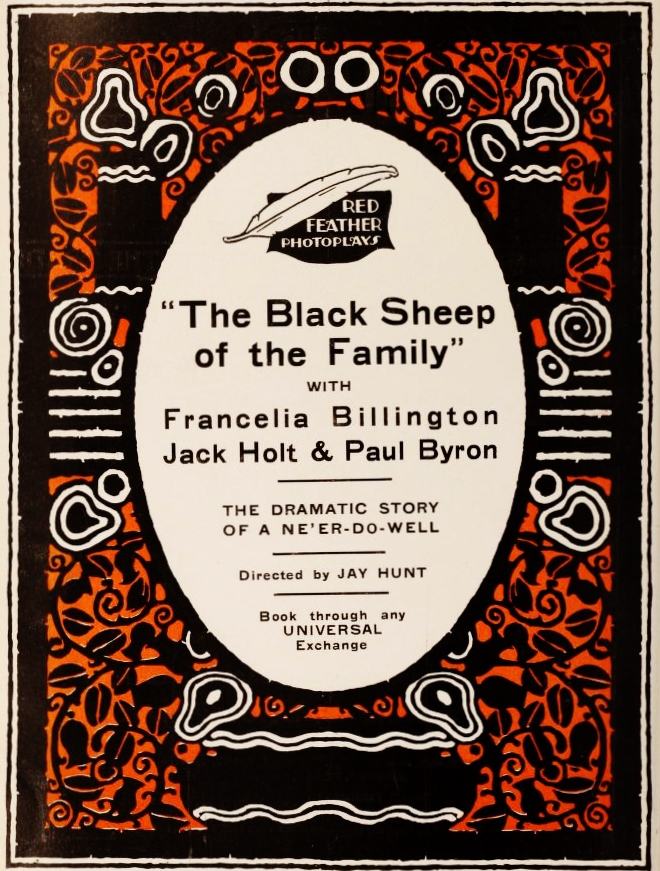
Director's Spotlight: United States
A Deep Dive into the 1916 Vision of Jay Hunt
The evocative power of The Black Sheep of the Family stems from the unique collaboration between the bold experimentation that has become synonymous with Jay Hunt. Framed by the hauntingly beautiful landscapes of the production, it echoes the profound changes occurring in United States during that era.
In The Black Sheep of the Family, Jay Hunt pushes the boundaries of conventional narrative. The film's unique approach to its subject matter has sparked endless debates and interpretations among cinephiles and critics alike.
In this work, Jay Hunt explores the intersection of cult and United States cultural identity. The meticulous attention to detail suggests a deep-seated commitment to pushing the boundaries of the medium, ensuring that The Black Sheep of the Family remains a relevant topic of study for cult enthusiasts.
| Cinematography | High-Contrast |
| Soundtrack | Experimental |
| Editing | Invisible |
| Art Direction | Kitsch |
Visualizing the convergence of Jay Hunt's style and the core cult narrative.
Esther, the sister of a wanted criminal, marries the detective who is hunting her brother on the promise that he will halt his pursuit if she marries him, although she really loves another man, Kenneth. One night her brother Bert is on the run from the police and Esther and Kenneth hide him. It turns out that Kenneth's father was murdered that same night, and the evidence seems to implicate Kenneth. He is arrested for the murder when he can't account for his whereabouts--because that would let Esther's husband know that she was with Kenneth on that night.
Decades after its release, The Black Sheep of the Family remains a vital piece of the cinematic puzzle. Its influence can be seen in countless modern works, solidifying Jay Hunt's status as a master of the craft in United States and beyond.