
DbcultAccessing Vault...
Director's Spotlight
Senior Film Conservator
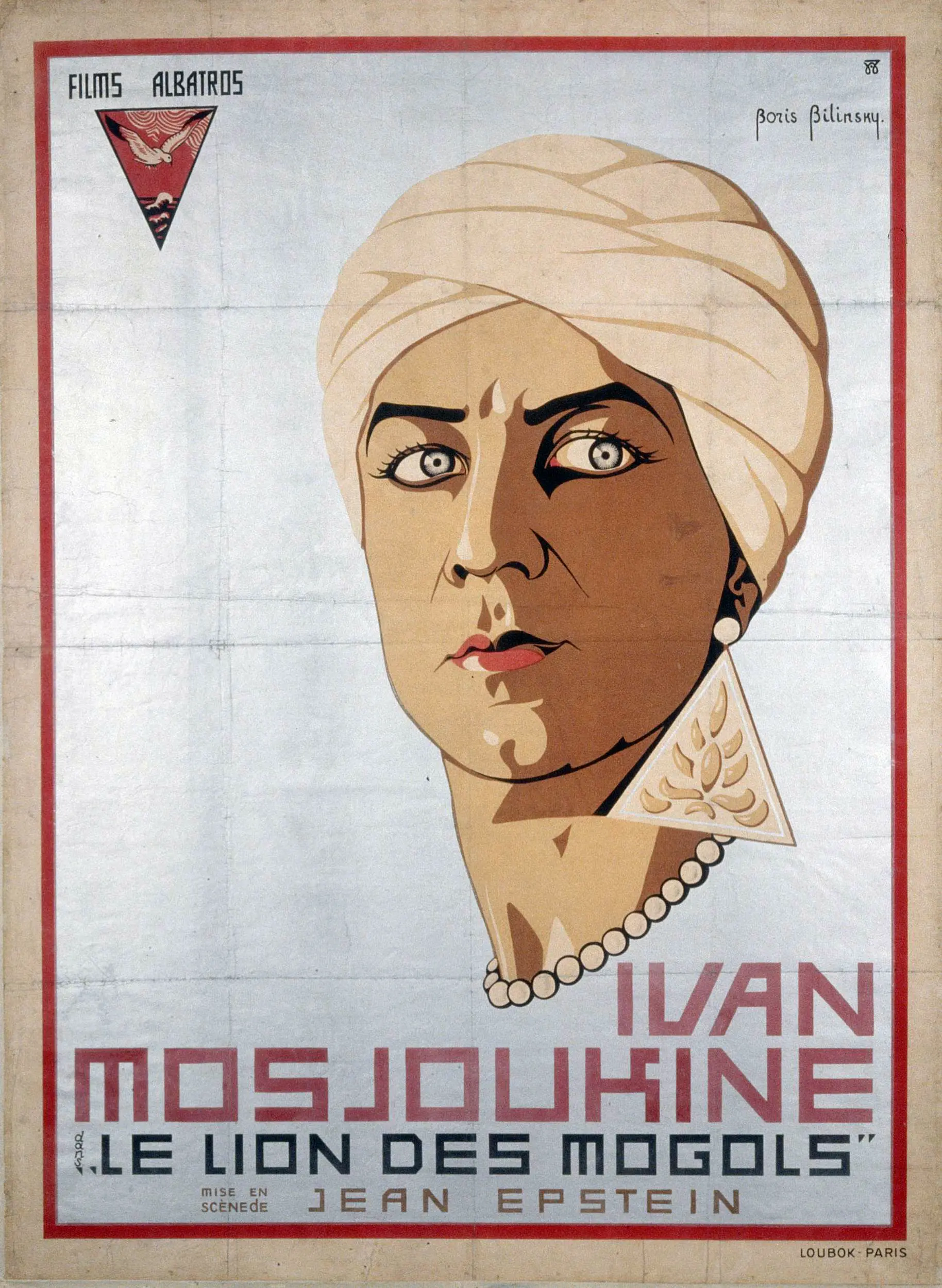
Director's Spotlight: France
A Deep Dive into the 1924 Vision of Jean Epstein
Analyzing Le lion des Mogols (1924) requires a deep dive into the defining moment in Romance history that Jean Epstein helped create. Defining a new era of France artistic expression, it transcends regional boundaries to tell a universal story.
In Le lion des Mogols, Jean Epstein pushes the boundaries of conventional narrative. The film's unique approach to its subject matter has sparked endless debates and interpretations among cinephiles and critics alike.
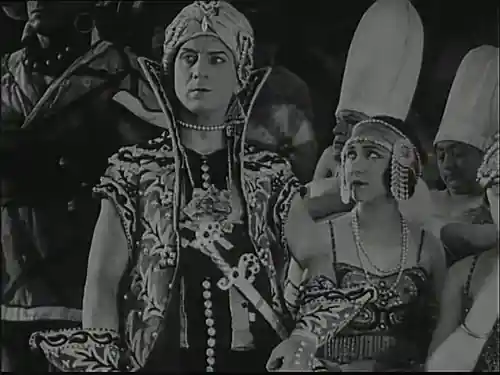
In this work, Jean Epstein explores the intersection of Romance and France cultural identity. The meticulous attention to detail suggests a deep-seated commitment to pushing the boundaries of the medium, ensuring that Le lion des Mogols remains a relevant topic of study for Romance enthusiasts.
| Cinematography | High-Contrast |
| Soundtrack | Synth-Heavy |
| Editing | Disjunctive |
| Art Direction | Baroque |
Visualizing the convergence of Jean Epstein's style and the core Romance narrative.
In the kingdom of the Moguls, Prince Roudghito-Sing, a young officer of the palace, falls in love with Zemgali, a captive princess held prisoner and coveted by the Grand Khan. Fleeing the country, he takes refuge in Paris and his presentability allows him to be hired as an actor by a French film company. The trouble is that Anna, the star of the movie, is attracted to him. Which displeases banker Morel, the producer and Anna's lover...
Decades after its release, Le lion des Mogols remains a vital piece of the cinematic puzzle. Its influence can be seen in countless modern works, solidifying Jean Epstein's status as a master of the craft in France and beyond.