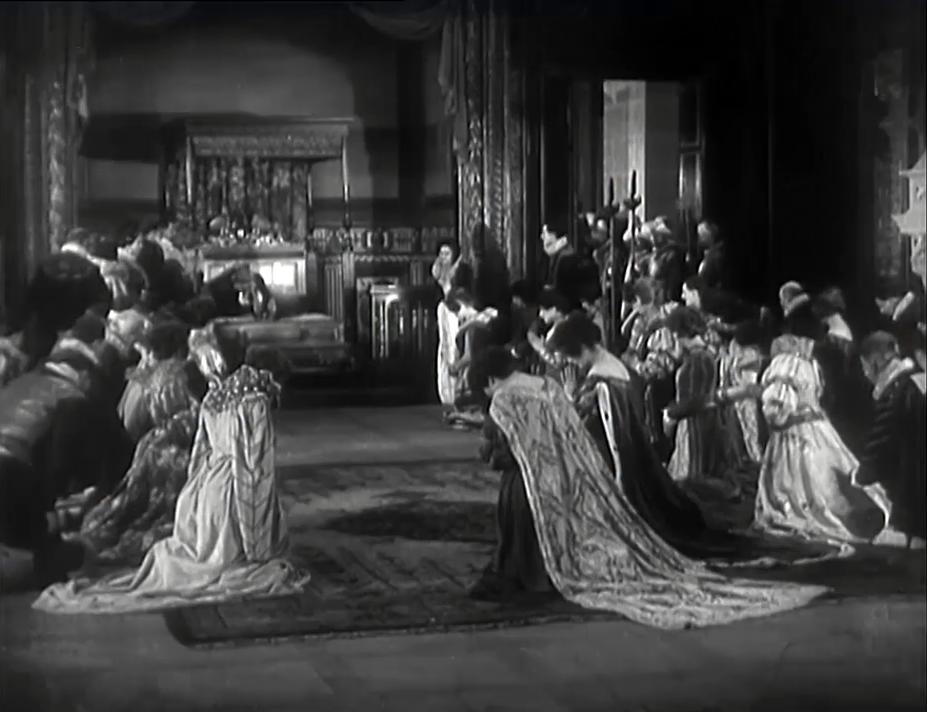
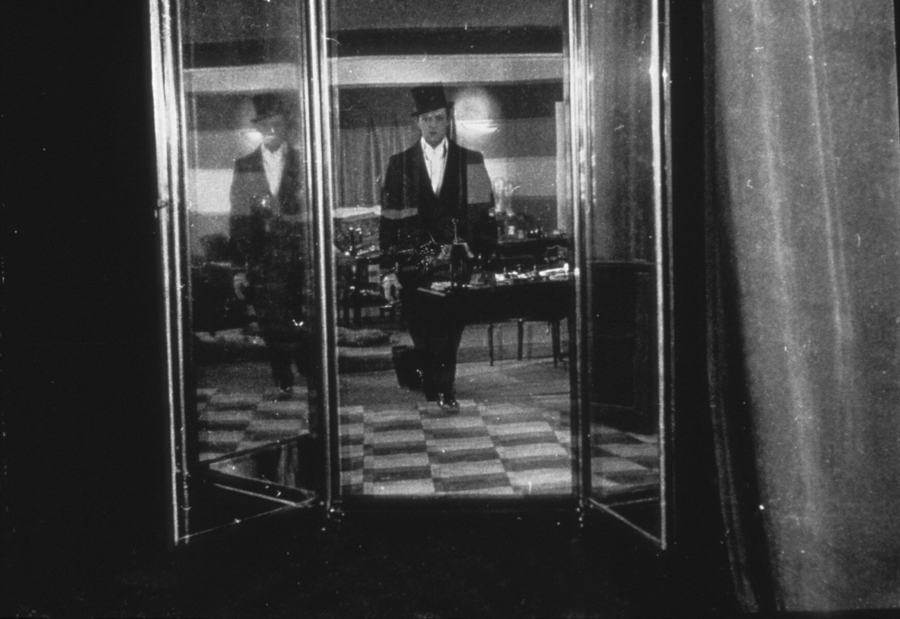
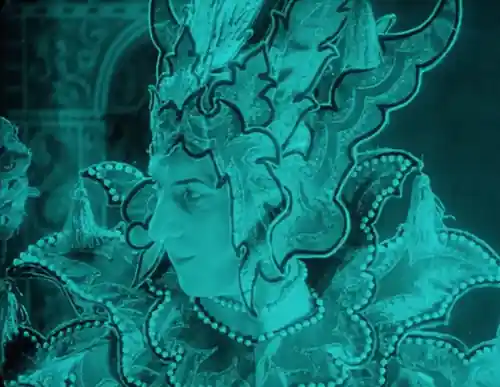
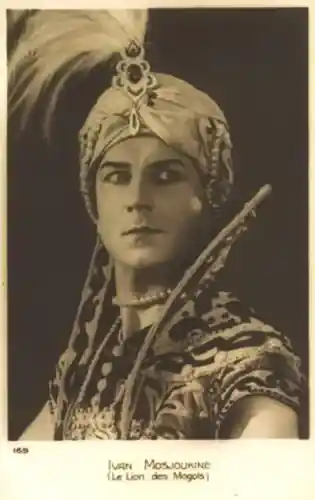
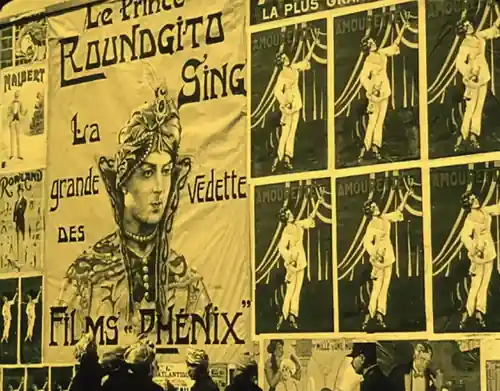
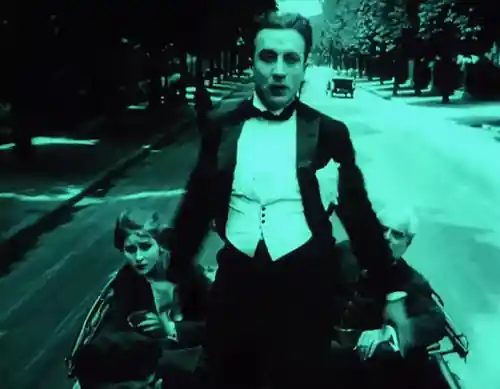
In the kingdom of the Moguls, Prince Roudghito-Sing, a young officer of the palace, falls in love with Zemgali, a captive princess held prisoner and coveted by the Grand Khan. Fleeing the country, he takes refuge in Paris and his presentability allows him to be hired as an actor by a French film company.
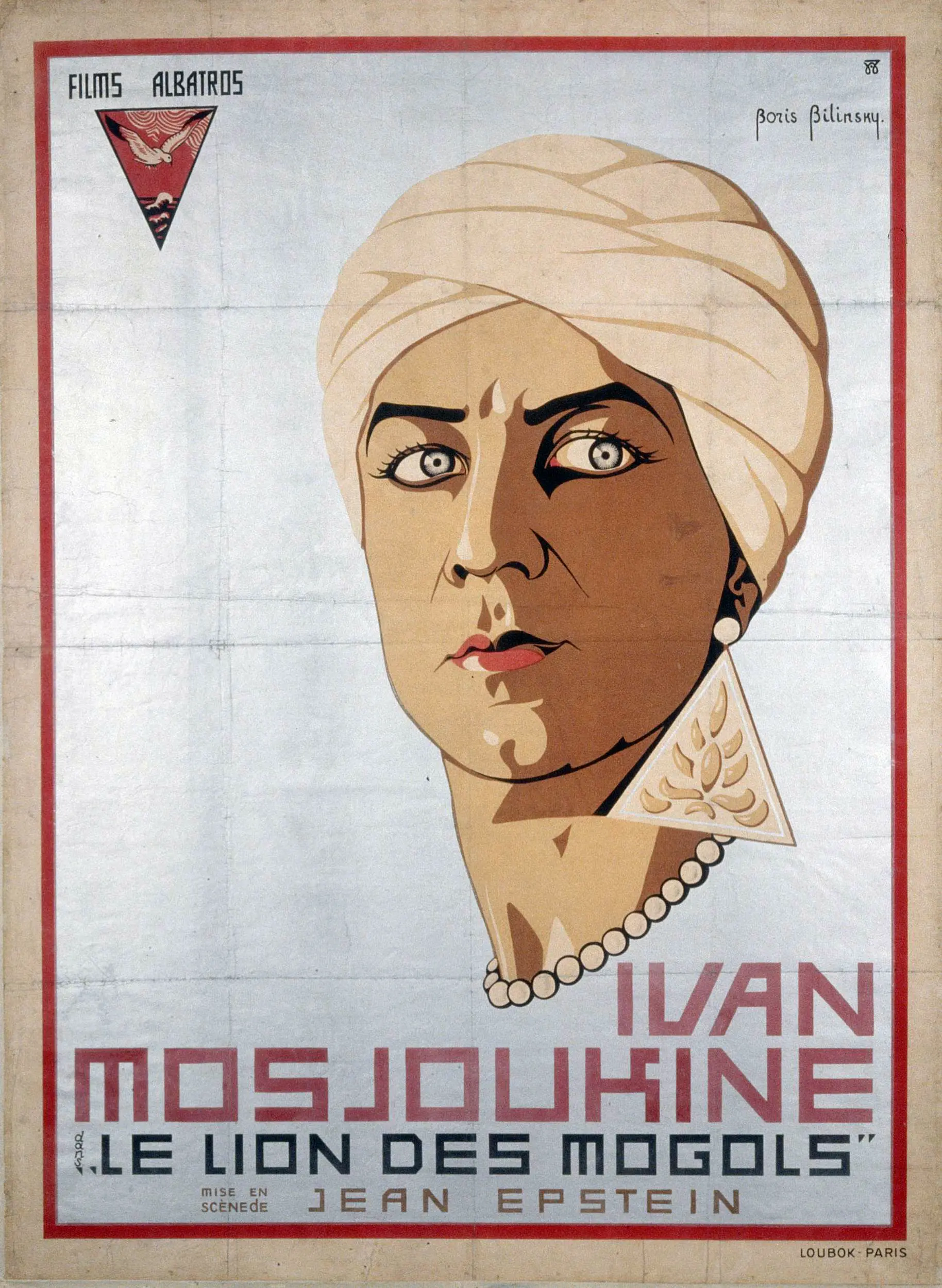
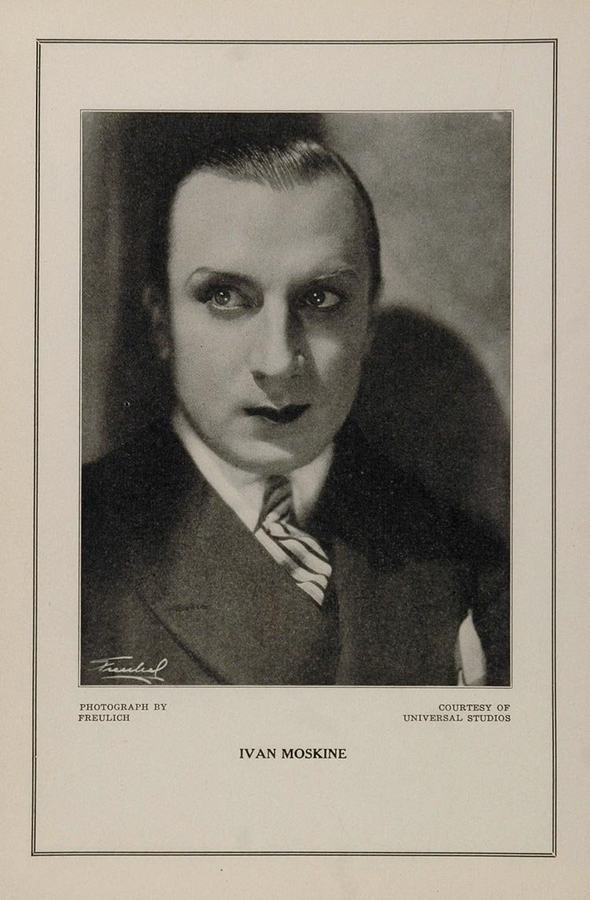
The 1920s in Paris represented a seismic shift in the tectonic plates of cinematic grammar, and few artifacts embody this upheaval as vividly as Le lion des Mogols. Directed by the visionary Jean Epstein and written by its mercurial star, Ivan Mozzhukhin, the film is a fascinating hybrid—a bridge between the theatrical...


Comparing the cinematic DNA and archive impact of two defining moments in cult history.
Jean Epstein
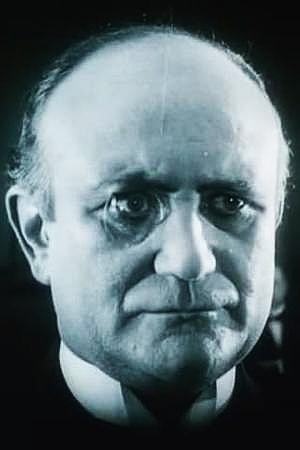
Bruno Ziener
Community
Log in to comment.
"The 1920s in Paris represented a seismic shift in the tectonic plates of cinematic grammar, and few artifacts embody this upheaval as vividly as Le lion des Mogols. Directed by the visionary Jean Epstein and written by its mercurial star, Ivan Mozzhukhin, the film is a fascinating hybrid—a bridge between the theatrical melodrama of the early century and the rhythmic, impressionistic avant-garde that would soon define French cinema. It is not merely a narrative of a displaced prince; it is a prof..."
Ivan Mozzhukhin, Jean Epstein
France
Romance, Drama

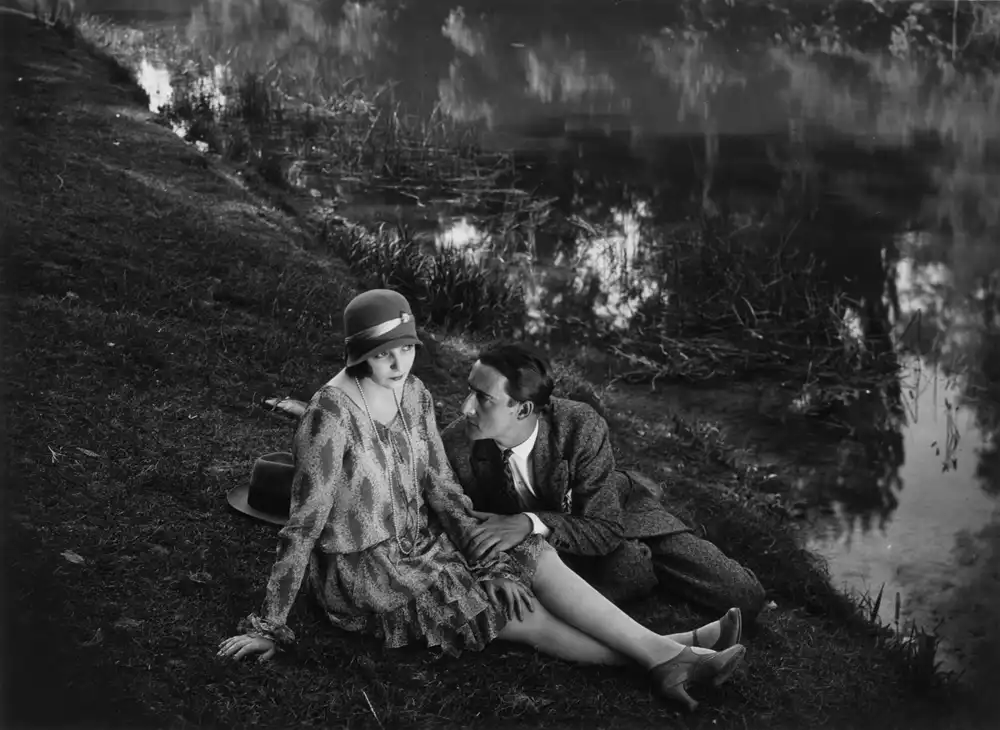
still_frame

still_frame

still_frame
still_frame

still_frame
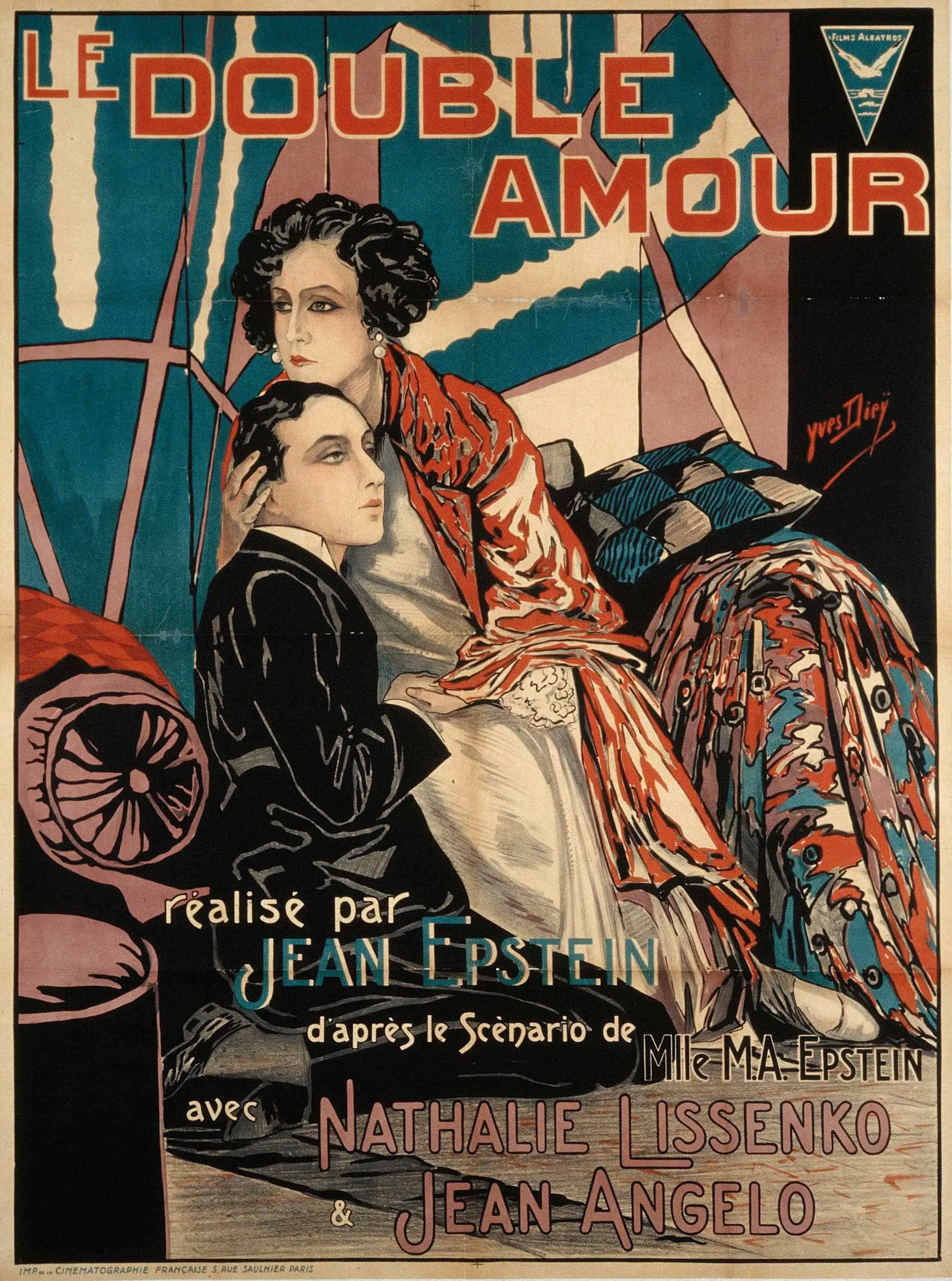
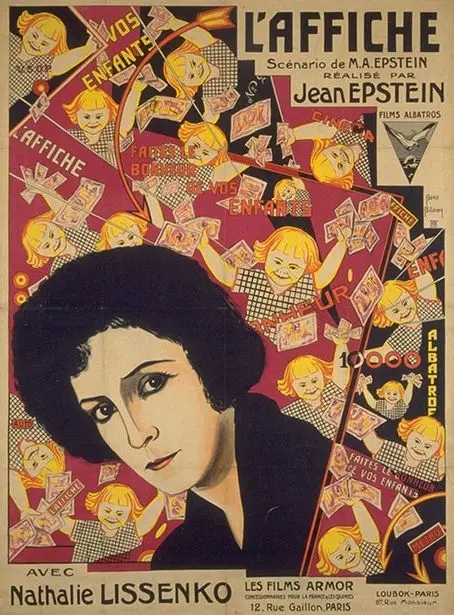
production_art
still_frame
still_frame

Deep dive into the cult classic
Discover similar cinematic experiences
A Directorial Spotlight on Jean Epstein