
DbcultAccessing Vault...
Director's Spotlight
Senior Film Conservator
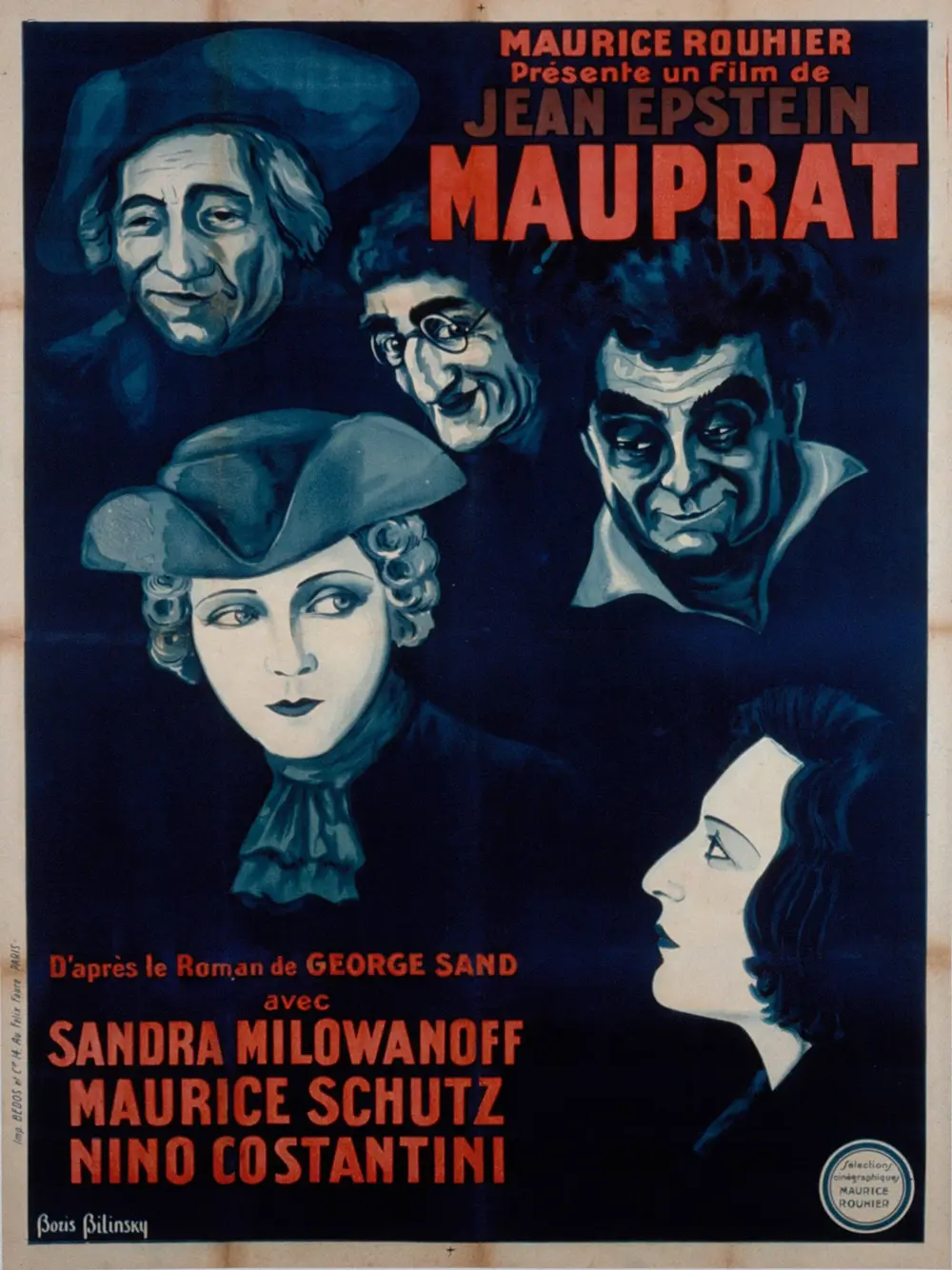
Director's Spotlight: France
A Deep Dive into the 1926 Vision of Jean Epstein
Few works in France cinema carry the same weight as Mauprat, especially regarding the technical innovation that Jean Epstein introduced to the Drama format. Subverting the expectations of the typical 1926 audience, it bridges the gap between traditional Drama and contemporary vision.
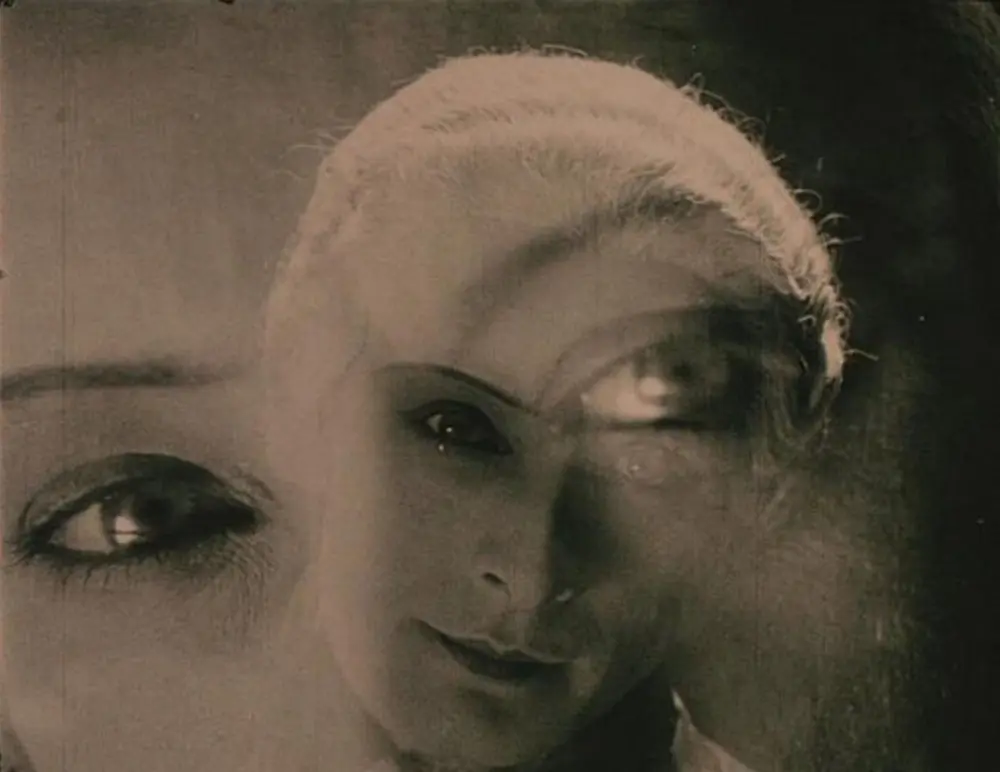
In Mauprat, Jean Epstein pushes the boundaries of conventional narrative. The film's unique approach to its subject matter has sparked endless debates and interpretations among cinephiles and critics alike.
| Cinematography | High-Contrast |
| Soundtrack | Minimalist |
| Editing | Slow-Burn |
| Art Direction | Brutalist |
Visualizing the convergence of Jean Epstein's style and the core Drama narrative.
Set before the French Revolution, the film tells the story of Bernard De Mauprat, a noble orphan, raised by despicable aristocrats, who is saved from the gallows by his cousin Edmée and his father, the knight Hubert De Mauprat. The return of Bernard causes tensions within Mauprat's family since him tries to win the heart of his cousin Edmée (Knight of La Marche's fiancée) after obtaining her pledge of loyalty under a certain threat of rape.
Decades after its release, Mauprat remains a vital piece of the cinematic puzzle. Its influence can be seen in countless modern works, solidifying Jean Epstein's status as a master of the craft in France and beyond.