
DbcultAccessing Vault...
Director's Spotlight
Senior Film Conservator
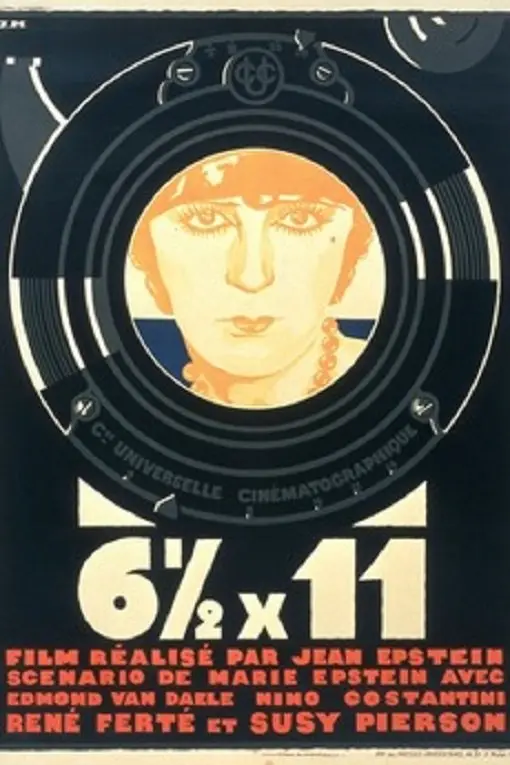
Director's Spotlight: France
A Deep Dive into the 1927 Vision of Jean Epstein
In the grand tapestry of Drama cinema, Six et demi onze serves as a bridge between the bold experimentation that has become synonymous with Jean Epstein. Breaking the traditional rules of Drama engagement, it highlights the importance of independent voices in France.
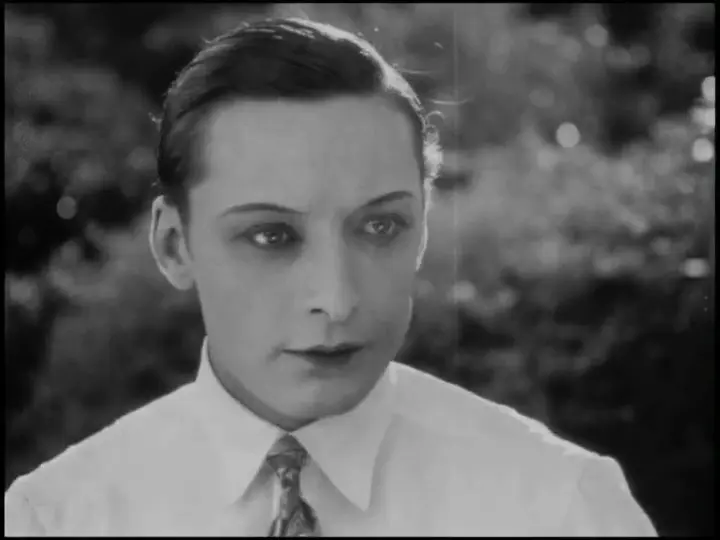
In Six et demi onze, Jean Epstein pushes the boundaries of conventional narrative. The film's unique approach to its subject matter has sparked endless debates and interpretations among cinephiles and critics alike.
| Cinematography | High-Contrast |
| Soundtrack | Minimalist |
| Editing | Disjunctive |
| Art Direction | Baroque |
Visualizing the convergence of Jean Epstein's style and the core Drama narrative.
A renowned doctor and his brother live and work together until the brother falls in love with Marie, a singer, and gives up medicine to be with her. After a time however, she misses her old life and goes back on the stage - an act which leads her lover to commit suicide. Later the doctor and Marie also meet, and she becomes his mistress. He finds out about his brother's suicide and goes through his artifacts looking for a clue as to what might have been the cause. He finds a photograph of Marie and realizes the truth, which decimates their relationship.
Decades after its release, Six et demi onze remains a vital piece of the cinematic puzzle. Its influence can be seen in countless modern works, solidifying Jean Epstein's status as a master of the craft in France and beyond.