
DbcultAccessing Vault...
Director's Spotlight
Senior Film Conservator
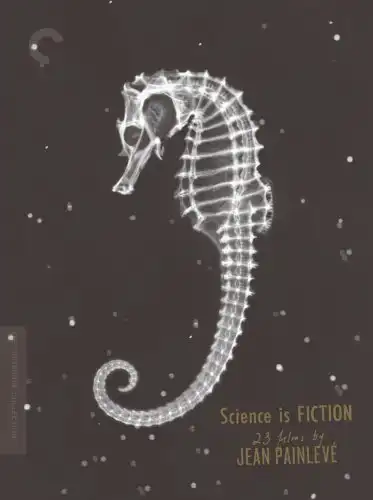
Director's Spotlight: France
A Deep Dive into the 1928 Vision of Jean Painlevé
The thematic gravity of Daphnia (1928) is rooted in the historical context that Jean Painlevé weaves into the Short fabric. Synthesizing the best elements of France and international cinema, it highlights the importance of independent voices in France.
In Daphnia, Jean Painlevé pushes the boundaries of conventional narrative. The film's unique approach to its subject matter has sparked endless debates and interpretations among cinephiles and critics alike.
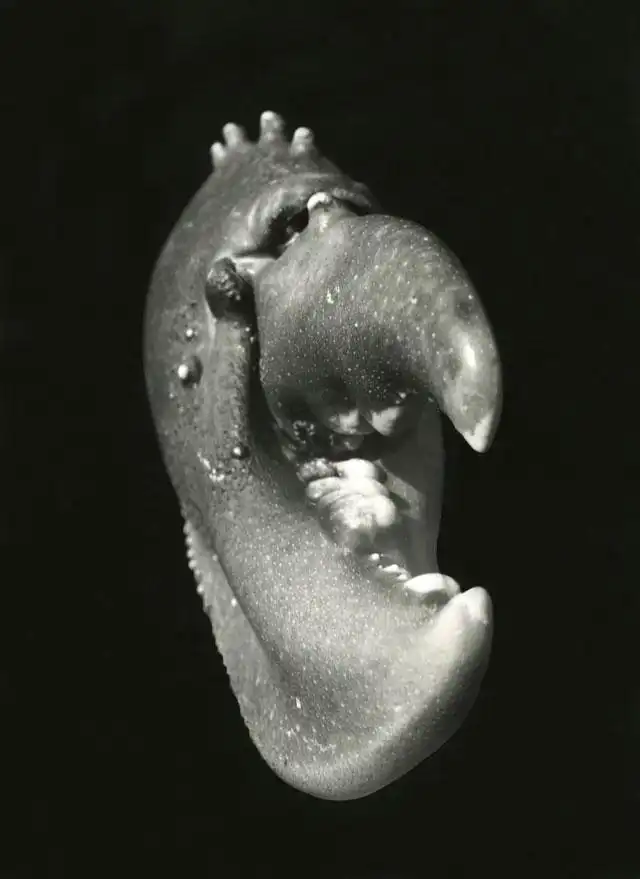
To fully appreciate Daphnia, one must consider the cinematic climate of 1928. During this period, France was undergoing significant artistic shifts, and Jean Painlevé was at the forefront of this Short movement, often challenging established norms.
| Cinematography | Handheld |
| Soundtrack | Orchestral |
| Editing | Slow-Burn |
| Art Direction | Brutalist |
Visualizing the convergence of Jean Painlevé's style and the core Short narrative.
Titles in French and English help us know what we're seeing. In all waters, daphnia abound. They are crustaceans about 2 ml long, with one eye that turns in all directions. Antennae enable daphnia to move: in a close up magnified 150,000 times, we see the muscles of the antennae pulse. We see the eye, the nerve mass, blood globules, and the heart, beating several times per second. The intestine forms a long line. All are females; eggs develop above the intestine. New generations come rapidly. Inside each daphnia are tiny infusoria; we watch them clean the intestine of a dead daphnia. An enemy, the hydra, approaches. A daphnia dies, but many remain.
Decades after its release, Daphnia remains a vital piece of the cinematic puzzle. Its influence can be seen in countless modern works, solidifying Jean Painlevé's status as a master of the craft in France and beyond.