
DbcultAccessing Vault...
Director's Spotlight
Senior Film Conservator
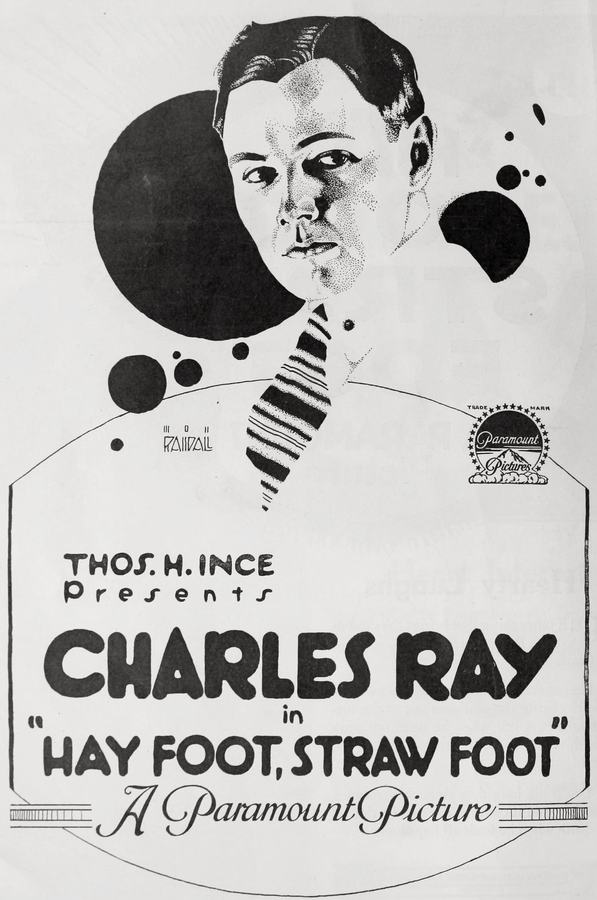
Director's Spotlight: United States
A Deep Dive into the 1919 Vision of Jerome Storm
In the grand tapestry of cult cinema, Hay Foot, Straw Foot serves as a bridge between the philosophical inquiries that Jerome Storm embeds within the narrative. Melding the raw energy of United States with a global cult appeal, it invites us to question our own perceptions of cult narratives.
In Hay Foot, Straw Foot, Jerome Storm pushes the boundaries of conventional narrative. The film's unique approach to its subject matter has sparked endless debates and interpretations among cinephiles and critics alike.
In this work, Jerome Storm explores the intersection of cult and United States cultural identity. The meticulous attention to detail suggests a deep-seated commitment to pushing the boundaries of the medium, ensuring that Hay Foot, Straw Foot remains a relevant topic of study for cult enthusiasts.
| Cinematography | Handheld |
| Soundtrack | Experimental |
| Editing | Invisible |
| Art Direction | Kitsch |
Visualizing the convergence of Jerome Storm's style and the core cult narrative.
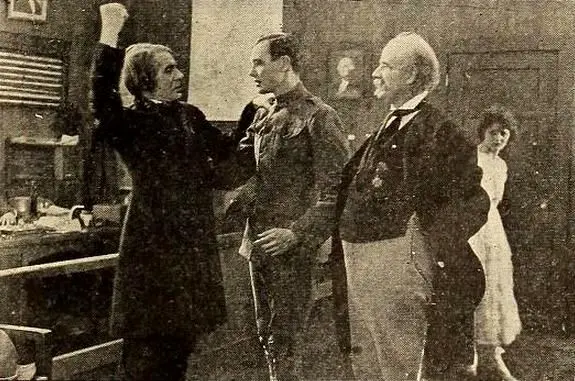
Ulysses S. Grant Briggs, raised by his grandfather Thaddeus, who served under General Grant, grows up with the General as his hero even though his neighbor, former Confederate soldier Jeff Hanan, argues that General Lee was the better man. When war is declared, Thaddeus and Jeff forget their differences and train Ulysses for military service. At the camp amateur show, Ulysses falls in love with dancer Betty Martin, but remembering Thaddeus' admonition to "watch out for play actresses," Ulysses avoids her. When dissolute Harry Weller lures Betty to a notorious roadhouse, Ulysses follows, knowing he can be court-martialed. Hearing Betty struggle, Ulysses fights Weller and keeps the military police from entering until Betty can escape through a window. Ulysses then is sent to the guardhouse where Thaddeus and Jeff unsuccessfully try to convince him to talk. After Betty confesses, the commanding officer, Thaddeus and Jeff agree that Ulysses did what both Grant and Lee would have done.
Decades after its release, Hay Foot, Straw Foot remains a vital piece of the cinematic puzzle. Its influence can be seen in countless modern works, solidifying Jerome Storm's status as a master of the craft in United States and beyond.